There’s something quietly wonderful about getting back on a bicycle after years — or even decades — away from one. The wind on your face, the rhythm of the pedals, that sense of freedom you remember from childhood. If you’re over 50 and haven’t cycled in a while, you’re far from alone. Across Ireland, thousands of people in their 50s, 60s, and beyond are rediscovering cycling as one of the most enjoyable, accessible, and rewarding forms of exercise available.
TL;DR
- Cycling is an excellent low-impact exercise for adults over 50 — gentle on joints while improving cardiovascular fitness, balance, and mental wellbeing.
- Ireland’s expanding greenway network (Great Western, Waterford, Royal Canal) provides safe, car-free routes ideal for returning cyclists.
- E-bikes are a game-changer for older adults, making hills and longer distances manageable without overexertion.
- Cycling Ireland and local cycling clubs offer programmes specifically designed for older or returning cyclists.
- Start slowly, get a bike fit, invest in a good helmet, and build confidence on quiet paths before venturing onto roads.
Why Cycling Works So Well After 50
Unlike running or high-impact sports, cycling is remarkably kind to your body. Because the bicycle supports your weight, there’s far less stress on your knees, hips, and ankles — making it an ideal option if you live with arthritis, joint stiffness, or are recovering from an injury. Research from the Irish Longitudinal Study on Ageing (TILDA) consistently shows that regular physical activity is one of the strongest predictors of healthy ageing, yet many adults over 50 struggle to find exercise they genuinely enjoy. Cycling often fills that gap.
The health benefits are substantial. Regular cycling strengthens your heart and lungs, helps manage weight, improves balance and coordination (which matters greatly for falls prevention), and can even support bone density when combined with some weight-bearing activity. The mental health benefits are equally compelling — the combination of fresh air, gentle exertion, and being outdoors has been shown to reduce symptoms of anxiety and depression.
Ireland’s Greenway Revolution
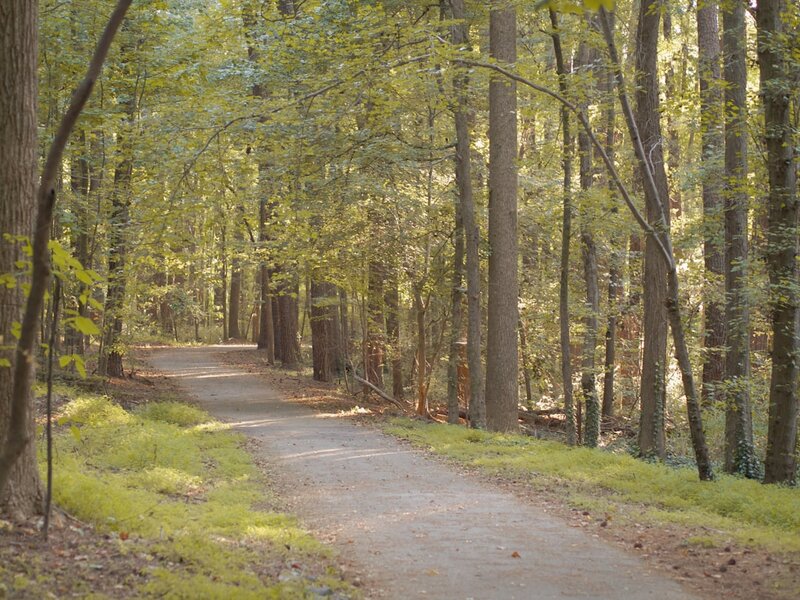
One of the best things to happen for cycling in Ireland in recent years is the rapid expansion of greenways — dedicated, traffic-free paths that follow former railway lines, canal towpaths, and scenic routes through the countryside. For anyone nervous about sharing the road with cars, greenways are a revelation.
The Great Western Greenway in Mayo stretches 42 kilometres from Westport to Achill, passing through some of the most breathtaking scenery in the west. The Waterford Greenway runs 46 kilometres from Waterford city to Dungarvan, largely flat and perfect for a leisurely day out. The Royal Canal Greenway offers over 130 kilometres from Maynooth to Longford through the heart of the midlands. And new routes are being developed all the time under the Government’s Strategy for the Future Development of National and Regional Greenways.
These routes aren’t designed for speed — they’re designed for enjoyment. Many have bike hire facilities, café stops along the way, and gentle gradients that suit all fitness levels. They’re also wonderfully social spaces where you’ll meet fellow cyclists of every age.
The E-Bike Option
If hills, distance, or fitness concerns have been holding you back, electric bicycles deserve serious consideration. E-bikes provide pedal-assisted power — you still pedal (it’s not a motorbike), but a small motor takes the hard edge off inclines and headwinds. This means you can cycle further, tackle routes you might otherwise avoid, and arrive without being completely out of breath.
E-bikes have become enormously popular among older adults across Europe, and Ireland is catching up. The Sustainable Energy Authority of Ireland (SEAI) has explored e-bike grant schemes, and many local bike shops now stock a wide range of electric models. Prices have come down considerably, with decent e-bikes available from around €1,200. If you’re unsure, many greenway bike hire centres now offer e-bike rental so you can try before you buy.
Getting Started Safely
Returning to cycling after a long break requires a little preparation, but nothing that should put you off.
Get the right bike. You don’t need anything expensive. A comfortable hybrid or touring bike suits most people over 50 — they offer an upright riding position that’s easier on your back and neck than a racing bike. Visit a local bike shop rather than buying online, so you can get properly fitted. The correct saddle height and handlebar position make an enormous difference to comfort.
Safety essentials. A well-fitting helmet is non-negotiable. High-visibility clothing and front/rear lights are essential, even during the day — Irish weather can change quickly. If you haven’t cycled in a while, consider a cycling confidence course. Cycling Ireland runs Cycle Right programmes for adults, including those returning to cycling after years away.
Start gently. Begin with short, flat rides — 15 to 20 minutes is plenty for your first outing. A quiet park path or local greenway is ideal. Build up gradually. Your body needs time to adapt, and there’s no rush. If you experience any pain (beyond normal muscle tiredness), ease off and consult your GP.
Mind the road rules. If you do venture onto roads, remember that cyclists in Ireland must follow the Rules of the Road. Use cycle lanes where available, signal your turns, and be visible. The Road Safety Authority (RSA) publishes a useful guide for cyclists on their website.
Finding Your Cycling Community
One of the unexpected pleasures of taking up cycling later in life is the social dimension. Across Ireland, cycling clubs and groups cater specifically to leisure cyclists and returners. Cycling Ireland, the national governing body, has a network of affiliated clubs, many of which run beginner-friendly group rides. Their Bike for Life programme is designed for people who want to cycle for health and enjoyment rather than competition.
Many Active Retirement Ireland groups have cycling outings as part of their regular activities. Local sports partnerships — funded through Sport Ireland — often organise cycling programmes for older adults, sometimes with bikes provided. It’s worth checking with your Local Sports Partnership to see what’s available in your area.
And of course, there’s nothing wrong with cycling solo. A morning spin along a quiet road or canal path can be the most meditative part of your day.
Cycling and Your Overall Health Plan
At Críonna Health, we often talk about the importance of finding movement that fits your life — not forcing yourself into exercise you dread. Cycling has a unique advantage: it doubles as transport. Cycling to the shops, to a friend’s house, or to your local café replaces a car journey with gentle exercise. This concept of active transport is increasingly recognised by the WHO as one of the most effective ways to build physical activity into daily life without needing to set aside dedicated gym time.
If you’re managing a chronic condition — whether that’s high blood pressure, type 2 diabetes, or arthritis — do speak with your GP before starting. In most cases, they’ll be delighted. Cycling is one of the exercises most commonly recommended by physiotherapists and GPs for people with these conditions.
Practical Resources
- Cycling Ireland — cyclingireland.ie — clubs, programmes, and Cycle Right training
- Sport Ireland — sportireland.ie — Local Sports Partnerships and community programmes
- Greenways Ireland — greenways.ie — route maps, bike hire, and planning your trip
- Road Safety Authority — rsa.ie — cycling safety advice and Rules of the Road
- Active Retirement Ireland — activeretirementireland.ie — local groups with cycling activities
📷 Photo by Autumn Welles (@autelles) on Unsplash