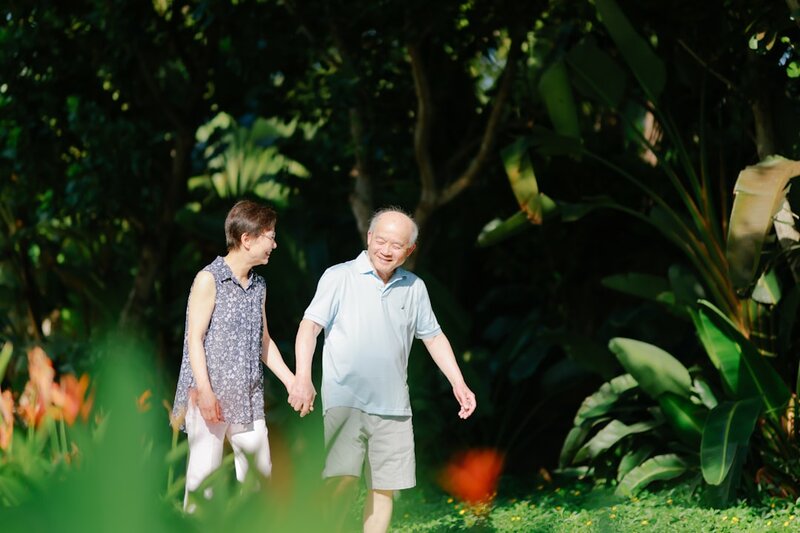
There’s something quietly remarkable about watching a grandparent and grandchild share a conversation, a walk, or even a quiet afternoon together. It might look ordinary, but the research tells us these moments are far from it — they are, in fact, among the most powerful things we can do for our health as we grow older.
In Ireland, where family ties and community bonds have long been woven into the fabric of daily life, intergenerational connections carry a particular significance. Yet as families become more geographically spread and communities change shape, these relationships need more intentional nurturing than ever before.
TL;DR
- Regular intergenerational contact is linked to lower rates of depression, better cognitive function, and a stronger sense of purpose in older adults
- Grandparenting, in particular, is associated with reduced risk of cognitive decline and improved physical activity levels
- Ireland has a growing number of intergenerational programmes — from school visits to shared housing pilots — that bring real, measurable health benefits
- TILDA research shows that older adults in Ireland with strong social networks report better self-rated health and fewer chronic conditions
- You don’t need grandchildren of your own — community programmes offer meaningful cross-generational connection for everyone
What the Research Tells Us
The evidence linking intergenerational relationships to better health outcomes is substantial and growing. The Irish Longitudinal Study on Ageing (TILDA), one of the world’s most comprehensive studies of ageing, has consistently found that social connectedness — particularly across generations — is one of the strongest predictors of wellbeing in later life.
Internationally, research published in journals such as The Gerontologist and JAMA Internal Medicine has found that older adults who spend regular, meaningful time with younger people experience:
- Lower rates of depression — intergenerational contact reduces feelings of isolation and reinforces a sense of being valued
- Better cognitive function — engaging with younger minds keeps us mentally agile, as we adapt to new perspectives and ideas
- Improved physical health — grandparents who care for grandchildren tend to be more physically active, which benefits cardiovascular and musculoskeletal health
- Greater sense of purpose — feeling needed and useful is one of the most protective factors against decline in later life
The benefits are not one-directional either. Younger people who spend time with older adults develop greater empathy, resilience, and a more nuanced understanding of the world. It’s a genuine exchange.
Grandparenting and Health: The Irish Picture
In Ireland, grandparents play an enormous role in family life. According to TILDA, around 40% of Irish grandparents provide regular childcare — one of the highest rates in Europe. This isn’t just a practical arrangement; it’s a health intervention in disguise.
Regular grandparenting has been associated with a 37% lower risk of mortality in some studies, compared with older adults who don’t have caregiving roles. The key is balance — moderate, enjoyable involvement rather than full-time, exhausting care. When grandparenting becomes a source of stress or physical strain, the health benefits can reverse.
For those who provide regular childcare, it’s worth noting that Ireland’s National Childcare Scheme and ECCE programme can ease the load, and organisations like Family Carers Ireland offer advice on managing caring responsibilities sustainably.
Beyond the Family: Community Programmes That Work
Not everyone has grandchildren, and not all meaningful intergenerational relationships happen within families. Across Ireland, a growing number of community programmes are deliberately creating spaces where generations mix — with impressive results.
School-Community Partnerships
Programmes like Age Action Ireland’s intergenerational projects bring older volunteers into primary schools for reading, storytelling, and skills-sharing. Participants on both sides consistently report improved mood, confidence, and social skills.
Men’s Sheds and Youth Groups
Many of Ireland’s 450+ Men’s Sheds have begun welcoming younger members for woodworking, repairs, and mentoring. The Irish Men’s Sheds Association has documented how these cross-generational interactions reduce loneliness and create a sense of shared purpose that purely age-segregated groups cannot match.
Shared Housing Initiatives
Inspired by successful models in the Netherlands and Spain, pilot programmes in Dublin and Cork are exploring intergenerational co-housing — where students live alongside older adults, offering companionship in exchange for affordable accommodation. Early feedback suggests benefits for mental health on both sides.
Active Retirement Groups
Active Retirement Ireland runs over 500 groups nationwide, many of which partner with local youth organisations for events, outings, and community projects. These aren’t token visits — they’re sustained relationships that build genuine connection.
Why This Matters More Now
Ireland’s population is ageing. By 2030, more than one in five people will be over 65, according to the CSO. At the same time, younger generations face their own mental health challenges, with rising rates of anxiety and loneliness among teens and young adults.
Intergenerational connection addresses both of these issues simultaneously. It’s not a silver bullet, but it’s one of the most natural, cost-effective, and enjoyable health interventions available — and it requires no prescription, no waiting list, and no specialist equipment.
Ireland’s National Positive Ageing Strategy explicitly recognises the value of intergenerational solidarity, and the Age Friendly Ireland programme — which now covers every local authority in the country — actively promotes initiatives that bring generations together.
Practical Ways to Build Intergenerational Connection
Whether you have grandchildren or not, there are straightforward ways to bring more cross-generational connection into your life:
- Volunteer with a local school — contact your nearest primary or secondary school about reading programmes, career talks, or mentoring
- Join a Men’s Shed or community workshop that welcomes mixed ages — check menssheds.ie for your nearest
- Get involved with Active Retirement Ireland — many groups run intergenerational events and would welcome new members
- Offer skills-sharing — whether it’s cooking, knitting, gardening, or DIY, your experience is genuinely valuable to younger learners
- Explore digital mentoring — some programmes pair younger tech-savvy volunteers with older adults learning to use smartphones and tablets. The learning goes both ways
- Consider befriending services — organisations like ALONE connect people across ages for regular phone calls and visits
A Note on Quality Over Quantity
The research is clear that it’s the quality of intergenerational contact that matters most, not the frequency. A single meaningful conversation each week can be more beneficial than daily superficial contact. What matters is reciprocity — feeling that you’re contributing something, not just receiving.
At Críonna Health, we believe that healthy ageing isn’t just about managing conditions or taking the right supplements. It’s about staying connected, feeling valued, and continuing to grow — and intergenerational relationships are one of the most rewarding ways to do exactly that.
Where to Start
If you’re interested in building more intergenerational connections, your local Age Friendly Ireland coordinator is a good first point of contact — every county has one. You can also reach out to Age Action at ageaction.ie or Active Retirement Ireland at activeirl.ie for programmes near you.
The connections we make across generations aren’t just pleasant — they’re protective. And in a country that has always valued community, there’s every reason to invest in them deliberately.
📷 Photo by Hoi An and Da Nang Photographer on Unsplash