When people talk about retirement planning, the conversation almost always starts and ends with money. How much is in the pension pot? Will the State Pension be enough? Should I top up my PRSA?
These are important questions. But they are only one piece of a much larger picture. The truth is, many people who retire with perfectly adequate finances still find themselves struggling. Not because of money, but because they had not planned for the other things that make a life feel full.
At Críonna Health, we believe retirement planning should be holistic. It should include your body, your mind, your relationships, and your sense of purpose. Here is how to start thinking about all of it.
The Identity Shift Nobody Warns You About
For most of us, work is far more than a pay cheque. It structures our days, gives us a role in society, and provides a built-in social network. When that disappears on a Friday afternoon, the Monday morning that follows can feel surprisingly empty.
Research from the Irish Longitudinal Study on Ageing (TILDA) has consistently shown that the transition into retirement is a critical period for mental health. People who retire without a clear sense of what comes next are more likely to experience feelings of loss, low mood, and reduced self-worth.
This is not weakness. It is a perfectly natural response to a major life change. The key is to plan for it the same way you would plan for the financial side.
Practical step: Before you retire, write down three things you get from work that are not money. Social contact? Structure? A sense of being useful? Then identify how you will replace each of those things in retirement.
Health: Your Most Valuable Asset
You can have a generous pension, a beautiful home, and all the free time in the world. But if your health is poor, none of it matters the way it should.
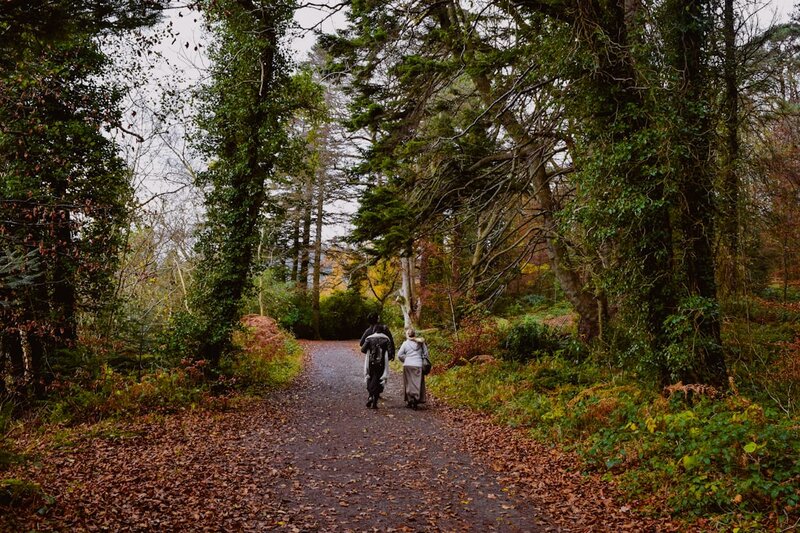
The good news is that it is never too late to make meaningful improvements to your physical health. Even starting a regular walking routine in your 50s or 60s can significantly reduce the risk of cardiovascular disease, improve bone density, and support mental wellbeing.
In Ireland, the HSE offers a range of preventive health services for people over 40, including free GP visit cards for everyone aged 70 and over, and a range of screening programmes through the National Screening Service. If you have not had a comprehensive health check recently, now is the time.
Areas to focus on:
- Movement: Aim for 150 minutes of moderate activity per week. Walking, swimming, cycling, gardening. It does not need to be intense.
- Nutrition: As we age, our nutritional needs change. Vitamin D, calcium, and protein become particularly important. The HSE recommends a daily vitamin D supplement for all adults in Ireland during the winter months.
- Sleep: Sleep patterns often shift with age. Maintaining good sleep hygiene (consistent bedtime, limited screen time, cool bedroom) makes a real difference.
- Preventive checks: Stay up to date with blood pressure, cholesterol, diabetes screening, and cancer screening programmes like BowelScreen and BreastCheck.
Social Connection: The Overlooked Essential
Loneliness is one of the most significant health risks facing older adults in Ireland. The ALONE support service reports that approximately 170,000 older people in Ireland experience loneliness on a regular basis. The health impact is stark: chronic loneliness is associated with a risk comparable to smoking 15 cigarettes a day.
When you are working, social connection often happens without effort. You chat to colleagues, grab lunch together, collaborate on projects. In retirement, you need to be more intentional about maintaining and building social connections.
Options in Ireland:
- Active Retirement Ireland runs local groups across the country, offering everything from walking clubs to book groups to day trips.
- Men’s Sheds provide a particularly valuable space for men, who often find it harder to maintain social connections outside of work.
- Volunteering is an excellent way to stay connected while contributing to your community. Volunteer Ireland (volunteer.ie) matches people with opportunities suited to their skills and interests.
- Community centres and parish groups often run activities specifically designed for people in retirement.
The key is to start building these connections before you retire, if possible. It is much easier to expand an existing network than to build one from scratch.
Finding Purpose: What Gets You Out of Bed?
Purpose does not have to mean something grand. It does not require launching a charity or writing a novel (though both are perfectly fine options). Purpose can be as simple as tending an allotment, minding grandchildren, learning a musical instrument, or helping a neighbour.
What matters is having something that gives your days direction and meaning. TILDA research has found a strong association between having a sense of purpose and better physical health, cognitive function, and overall life satisfaction in older adults.
Some questions worth sitting with:
- What did I always want to do but never had time for?
- What skills do I have that could benefit others?
- What activities make me lose track of time?
- Is there something I would like to learn?
Many people find that the first year of retirement is a period of experimentation. You try different things, some stick, some do not. That is perfectly fine. Give yourself permission to explore without pressure.
Routine Without Rigidity
One of the most common surprises in retirement is how disorienting it can feel to have completely unstructured days. After decades of schedules and deadlines, total freedom can feel more like floating than flying.
Creating a loose weekly routine helps. Not a rigid timetable, but a gentle rhythm. Perhaps Monday is your walking group day. Wednesday you volunteer at the local charity shop. Thursday morning is for the garden. Friday you meet friends for coffee.
Structure provides anchor points that make the free time between them feel like a choice rather than a void.
The Financial Bit (Briefly)
We said this article was about more than money, and it is. But a few practical points are worth mentioning:
- The State Pension (Contributory) in Ireland is currently €277.30 per week for a person with a full PRSI record. Check your entitlement at mywelfare.ie well before retirement age.
- If you have a private or occupational pension, request a benefit statement showing your projected income at retirement.
- Consider speaking with an independent financial adviser. The Competition and Consumer Protection Commission (CCPC) offers free guidance on pensions at ccpc.ie.
- The Fuel Allowance, Living Alone Increase, and Household Benefits Package are available to eligible older adults. Your local Citizens Information Centre can help you check what you qualify for.
Start Now, Wherever You Are
Whether you are 45 and retirement feels distant, or 63 and counting down the months, the time to plan the non-financial side of retirement is now. The people who transition most successfully into retirement are those who thought about what they were retiring to, not just what they were retiring from.
At Críonna Health, we are here to support that journey. From practical health advice to guidance on staying connected and finding purpose, our resources are designed to help you build a retirement that truly works for you.
Because the best pension in the world cannot buy you a reason to get up in the morning. That part is up to you.