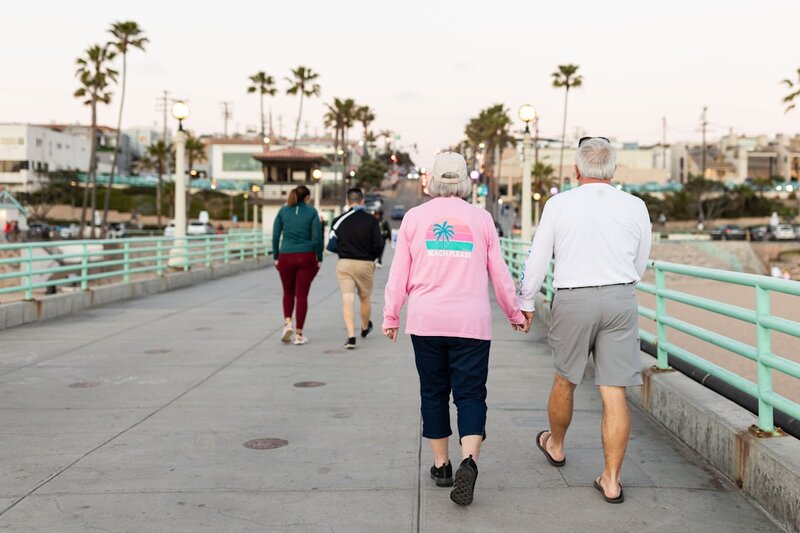
Loneliness is one of those things people rarely talk about openly, yet it touches the lives of hundreds of thousands of older adults across Ireland. It is not a character flaw or a sign of weakness. It is a deeply human experience, and one that carries real consequences for both mental and physical health.
Research from the Irish Longitudinal Study on Ageing (TILDA) consistently highlights that social isolation and loneliness are among the most significant challenges facing people as they age. Around one in three adults over 50 in Ireland reports feeling lonely at least some of the time, and the numbers increase with age, particularly after bereavement, retirement, or changes in health.
The good news? Loneliness is not inevitable, and Ireland has a growing network of supports designed to help people stay connected. Here is what the evidence tells us, and what you can do about it.
Why Loneliness Matters for Health
This is not just about feeling a bit down on a quiet Tuesday evening. Chronic loneliness has measurable effects on the body. Studies have shown that prolonged social isolation carries health risks comparable to smoking 15 cigarettes a day. It increases the risk of heart disease, stroke, depression, and cognitive decline.
TILDA research has found that socially isolated older adults in Ireland are more likely to experience depressive symptoms, have higher levels of inflammation, and report poorer self-rated health. The connection between social engagement and physical wellbeing is not vague or sentimental. It is biological.
Professor Rose Anne Kenny, lead investigator of TILDA, has spoken extensively about how social connection acts as a protective factor against age-related decline. Staying socially engaged is not a luxury. For your health, it is as important as staying physically active.
The Difference Between Loneliness and Being Alone
It is worth making a distinction that often gets lost. Being alone and being lonely are not the same thing. Some people live alone and feel perfectly content, with a rich social life and strong connections. Others can feel deeply lonely in a crowded room or even within a busy household.
Loneliness is about the gap between the social connection you have and the social connection you want. It is a subjective experience, which makes it tricky to spot from the outside but no less real for the person experiencing it.
Understanding this distinction matters because it changes how we respond. Simply putting people in a room together is not enough. Meaningful connection, the kind where you feel seen, valued, and understood, is what makes the difference.
Common Triggers in Later Life
Several life changes can increase the risk of loneliness as we age:
- Retirement brings a loss of daily social structure and the casual connections that come with a workplace. For people whose social life revolved around colleagues, this shift can be profound.
- Bereavement is one of the strongest predictors of loneliness in later life. Losing a partner, a close friend, or a sibling removes someone who understood your world.
- Health changes that limit mobility or confidence can make it harder to get out and about. Hearing loss, in particular, is strongly linked to social withdrawal.
- Caring responsibilities can be isolating in themselves, with carers often putting their own social needs last.
- Relocation to be closer to family or into a care setting can mean leaving behind established networks and familiar places.
None of these situations make loneliness inevitable, but they do increase vulnerability. Recognising the triggers is the first step toward addressing them.
Practical Steps to Stay Connected
Start small and be intentional
If loneliness has taken hold, the idea of rebuilding a social life can feel overwhelming. Start with one small action. Phone a friend. Walk to the local shop instead of ordering online. Say yes to one invitation this week, even if you do not feel like it. Small, consistent steps build momentum.
Explore local groups and activities
Active Retirement Ireland runs groups in communities across the country, offering everything from walking groups and art classes to book clubs and day trips. These are not just activities. They are gateways to friendship, built around shared interests rather than forced small talk.
Local GAA clubs, Men’s Sheds, and Irish Countrywomen’s Association (ICA) branches all provide spaces for connection. Many parishes and community centres also run coffee mornings, lunch clubs, and social events specifically designed to bring people together.
Consider volunteering
Volunteering gives you purpose, structure, and social contact all at once. Volunteer Ireland (volunteer.ie) can match you with opportunities in your area, from charity shops to befriending services. Giving your time to something meaningful is one of the most effective ways to combat loneliness while making a genuine difference.
Use technology to supplement (not replace) connection
Video calls, messaging apps, and social media can be brilliant for staying in touch with family and friends who are not nearby. They are not a replacement for face-to-face contact, but they fill the gaps between visits. If you are not confident with technology, Age Action Ireland runs Getting Started classes to help older adults build digital skills in a supportive environment.
Talk about it
This might be the hardest step, but also the most important. Telling someone you are feeling lonely is not a sign of weakness. It is an act of courage, and it opens the door for others to help. Often, simply naming the feeling takes away some of its power.
Irish Supports You Should Know About
Ireland has several excellent organisations working specifically to address loneliness and isolation among older adults:
- ALONE (alone.ie) provides a national support line (0818 222 024), befriending services, and technology support for older adults. Their trained volunteers make regular calls and visits to people who are isolated.
- Age Action Ireland (ageaction.ie) runs befriending programmes, digital literacy classes, and advocacy work on issues affecting older adults.
- Seniorline (1800 804 591) is a confidential listening service for older people, staffed by trained older volunteers who understand the experiences you might be going through.
- Family Carers Ireland (familycarers.ie) supports those in caring roles, who are often at high risk of isolation themselves.
- Local Community Centres and libraries frequently offer free social programmes. Your local library, in particular, is an underrated resource for events, groups, and simply having somewhere warm to go.
At Críonna Health, we believe that social health deserves the same attention as physical health. Staying connected is not a nice-to-have. It is a fundamental part of ageing well, and no one should have to navigate it alone.
What You Can Do for Someone Else
If you are reading this and thinking of someone in your life who might be lonely, here are a few things that genuinely help:
- Check in regularly. A weekly phone call or a quick visit means more than you might think.
- Invite, do not wait to be asked. People who are lonely often withdraw. They may not reach out, but that does not mean they would not welcome contact.
- Listen without rushing to fix. Sometimes people just need to be heard.
- Help with practical barriers. Offer a lift to a social event. Help set up a video call. Remove the obstacles that make connection harder.
Loneliness in later life is a collective challenge, and it calls for a collective response. Whether you are experiencing it yourself or supporting someone who is, know that help is available and that things can change. One connection at a time.
📷 Photo by Negley Stockman on Unsplash