It usually starts with an itch. Not a dramatic one. Just a relentless, maddening itch across the arms, the thighs, the lower back, worse at night, with nothing much to see except scratch marks. A moisturiser gets tried. Then a stronger one. Then a mild steroid cream, and perhaps a treatment for scabies, because somebody has to rule that out. Months go by. And then, one morning, the blisters arrive: large, tight, filled with clear or blood-tinged fluid, sitting on skin that was supposedly just dry.
That sequence is the signature of bullous pemphigoid, the most common autoimmune blistering disease in Western populations. It is overwhelmingly a condition of people in their seventies and eighties, and it is one of the few skin diseases where the delay between the first symptom and the right diagnosis is routinely measured in months rather than days.
TL;DR
- Bullous pemphigoid is an autoimmune disease in which antibodies attack the proteins anchoring the top layer of skin to the layer beneath, causing large tense blisters. Most people are over 70 at diagnosis.
- The itch comes first. A non-specific, intensely itchy rash can precede the blisters by weeks to months, and up to 20% of people diagnosed with the condition never develop obvious blisters at all.
- Certain medicines are implicated, most notably the DPP-4 inhibitors (gliptins) used in type 2 diabetes. The sitagliptin product information already instructs doctors to stop the drug if bullous pemphigoid is suspected.
- Diagnosis needs a skin biopsy with immunofluorescence, not a look and a guess. In Ireland, 59,156 adults were waiting for a dermatology outpatient appointment at the end of August 2026, so the referral has to be flagged as urgent.
- Treatment usually combines a very potent steroid ointment with doxycycline or oral steroids. Bone protection is part of the package and is frequently forgotten.
What is actually going wrong
Skin is held together like laminated glass. The outer layer, the epidermis, is anchored to the dermis beneath it by a set of protein structures, and two of those proteins have names worth knowing: BP180 (also called type XVII collagen) and BP230. In bullous pemphigoid, the immune system produces antibodies against them. The anchoring fails, fluid collects in the gap, and a blister forms in the space between the two layers.
Because the split happens deep, the blisters are tense and domed rather than flimsy. They can sit on normal-looking skin or on red, raised patches, and the fluid inside may be clear, cloudy or bloodstained. They tend to favour the inner surfaces of the arms and legs, the lower abdomen and the skin folds, and can spread across the trunk. The mouth is usually spared, which is one of the features that separates bullous pemphigoid from the rarer and more dangerous pemphigus vulgaris.
Why it is a condition of later life
Bullous pemphigoid is genuinely uncommon in middle age and then climbs steeply. Reported annual incidence ranges from roughly 2.6 to 42.8 cases per million depending on the population studied, but among people over 80 it rises into the hundreds per million. Sweden, which has some of Europe’s best data, records around 71 cases per million per year overall.
Nobody has a complete explanation, though the leading theory is that immune tolerance loosens with age. What matters practically is that as Ireland’s population over 80 grows, so does the number of people developing this, and most will present first to a GP rather than a dermatologist.
The phase that gets missed
This is the part worth remembering: bullous pemphigoid frequently announces itself as itch alone. The pre-blistering phase can look like eczema, like hives, like insect bites, or like nothing at all beyond excoriated skin. It can last weeks. In some people it never progresses: the Swedish research team behind Europe’s largest cohort study notes that up to 20% of people diagnosed with bullous pemphigoid present with only mild itch, scratch marks and eczema-like or urticarial patches, with no blisters whatsoever.
Itch after 70 already has a long queue of innocent explanations. Dry skin, thyroid trouble, kidney function, iron levels, a new tablet, a warm house with the heating on. Every one of those is more common than bullous pemphigoid, which is exactly why the diagnosis arrives late. There is also a signal in the national audit data. When the British Association of Dermatologists reaudited bullous pemphigoid care in 2024, across 450 cases from 77 centres with results broken down by region across the UK and Ireland, only 23.2% of people had very mild disease (fewer than three blisters) at the point of specialist assessment. In the equivalent 2018 audit, that figure was 63.9%. People are arriving later and sicker.
So: an itch in your seventies that has lasted more than a few weeks, has not responded to emollients and is disturbing your sleep deserves a proper look rather than a third cream.
The tablet in the drug history
Several medicines can trigger bullous pemphigoid, and the best-documented group is the DPP-4 inhibitors, usually called gliptins: sitagliptin, linagliptin, vildagliptin, saxagliptin and alogliptin, prescribed widely in type 2 diabetes. Diabetes Ireland puts the number of people living with diabetes here at upwards of 230,000, the great majority of them type 2, so this is not a theoretical overlap.
This is not fringe information. It is printed in the box. The European product information for sitagliptin states: “There have been post-marketing reports of bullous pemphigoid in patients taking DPP-4 inhibitors including sitagliptin. If bullous pemphigoid is suspected, Januvia should be discontinued.” The patient leaflet in the same pack says it in plainer words: “If you encounter blistering of the skin it may be a sign for a condition called bullous pemphigoid. Your doctor may ask you to stop Januvia.”
The size of the risk deserves honest framing, because the alarm can do more harm than the drug. A United States study in JAMA Dermatology followed roughly 1.66 million people starting either a gliptin or a sulfonylurea. Bullous pemphigoid occurred at 0.42 cases per 1,000 person-years on gliptins versus 0.31 on sulfonylureas, a hazard ratio of 1.42 (95% CI 1.17 to 1.72). The excess was confined to people aged 65 and over, where the hazard ratio was 1.62, with no detectable increase under 65. Linagliptin carried the strongest individual signal.
Read that carefully. The absolute risk is very small and the overwhelming majority of people taking a gliptin will never develop this, so the point is not to fear the drug. The point is that if blisters do appear, the tablet belongs in the conversation, and stopping it is associated with better outcomes. Drug-related onset typically comes around eleven months after starting, long enough that nobody thinks to connect the two.
One firm caution: do not stop a prescribed diabetes medicine on your own initiative. Uncontrolled blood glucose is a real and immediate harm. Bring the box, or a printed list from your pharmacy, to your GP and ask the question directly.
Getting a diagnosis in Ireland
Bullous pemphigoid is confirmed, not guessed. The standard is a skin biopsy showing the split in the right layer, combined with direct immunofluorescence demonstrating antibody deposits along the basement membrane. Blood tests for BP180 antibodies support the picture and are increasingly used where a biopsy is awkward. The 2024 audit found direct immunofluorescence used in 35.3% of cases, down from 41.6% in 2018, with indirect methods rising from 10.3% to 18.9%, a shift the authors link to teledermatology and to the difficulty of biopsying frail patients. It is a reasonable accommodation, but direct immunofluorescence remains the reference standard.
Access is the Irish problem. National Treatment Purchase Fund figures for 27 August 2026 show 59,156 adults on the dermatology outpatient waiting list, with 7,212 of them waiting more than 18 months. A routine dermatology referral for an itch will not be seen in time. Suspected bullous pemphigoid, particularly once blisters are present, is not a routine referral, and the request should say so in those words. If blistering is widespread, or there is fever, spreading redness or significant pain, that is an emergency department presentation, not a waiting-list one.
Two things make the referral stronger: dated phone photographs, because blisters come and go and the clinic may catch a quiet day, and a complete medicines list including anything started in the past year or two.
Treatment, and the bit that gets forgotten
Most people respond well. First-line treatment for localised or moderate disease is a very potent topical steroid ointment, usually clobetasol propionate, applied generously and far more widely than people expect. The 2024 audit recorded it in 74.9% of cases. Oral prednisolone was used in 90.9%, and doxycycline in 83.8%, up sharply from 50.7% in 2018 following trial evidence that it controls blisters nearly as well as oral steroids with fewer serious side effects.
Here is the gap. Long courses of oral steroids thin bone. The audit found osteoporosis risk had been assessed and documented in only 36.7% of cases, and the proportion of people on oral steroids who were prescribed bone protection actually fell, from 75.6% in 2018 to 64.6% in 2024. If you or a family member is started on prednisolone for this, ask explicitly what is being done about bone protection and whether a DXA scan is indicated. It is a fair question and it is one that frequently needs asking.
Expect treatment to run for months and often a year or more, tapering as things settle. Relapses happen and are treated again. In the United States, dupilumab was licensed in June 2025 as the first targeted biologic for bullous pemphigoid; it is not currently an authorised indication in the European Union, so it is not a routine option here yet.
Why this is more than a skin problem
Bullous pemphigoid carries real mortality, and the honest reason is worth understanding. The Swedish national study of 5,738 people with the condition, matched against 17,167 controls, found all-cause mortality more than twice as high (hazard ratio 2.15, 95% CI 2.06 to 2.24), with 21.2% dying within a year of diagnosis. Cardiovascular disease, not the skin, accounted for the largest share of deaths at 25.3%.
That reflects who gets this condition: people already in their eighties, often with several other diagnoses, now facing broken skin, disturbed sleep, infection risk and immunosuppressive treatment on top. A 2024 systematic review pooling 49 studies and 45,323 patients found dementia, stroke, diabetes and kidney disease all linked both to developing bullous pemphigoid and to dying with it. One proposed explanation for the neurological link is that BP180 also exists in the brain, so injury there may expose a protein the immune system then learns to attack in the skin as well.
The same Swedish study offered a hopeful note: people treated with a combination of methotrexate, prednisolone and potent topical steroids had better survival than those who were not. Treating this condition properly appears to matter.
There is a specific implication for residential care. Someone with advanced dementia cannot report an itch. If a resident is newly agitated, scratching, sleeping badly, or has unexplained raw patches, families are entitled to ask whether a dermatology opinion has been sought and whether a biopsy has been considered.
Where to get help
Start with your GP, with photographs and your medicines list in hand. The Irish Skin Foundation runs a free Ask-a-Nurse helpline on (01) 486 6280, open Monday to Friday from 10am to 4.30pm, staffed by dermatology clinical nurse specialists who work in Irish hospital dermatology units. They cannot diagnose you over the phone, but they can tell you what questions to ask, what a biopsy involves and how to use a potent steroid ointment properly, which is the single most common thing people get wrong.
If treatment costs are a concern, the Drug Payment Scheme caps monthly expenditure on prescribed medicines for anyone without a medical card, and medical card eligibility over 70 is assessed on income rather than means. Ask your pharmacist to check what you are entitled to.
The one line to take away
An unexplained itch in your seventies is not automatically dry skin, and a tense blister on an older person’s arm is never nothing. The gap between those two sentences is where this diagnosis gets lost, and it is a gap that a photograph, a medicines list and the word “urgent” on a referral letter can close.
At Críonna Health we write about the conditions that get mistaken for ageing itself. If something about your skin has changed and the explanations you have been given no longer fit, that is a reason to ask again, not a reason to accept it.
This article is for general information and is not a substitute for individual medical advice. Please speak to your GP or pharmacist about your own circumstances, and do not stop any prescribed medicine without medical advice.
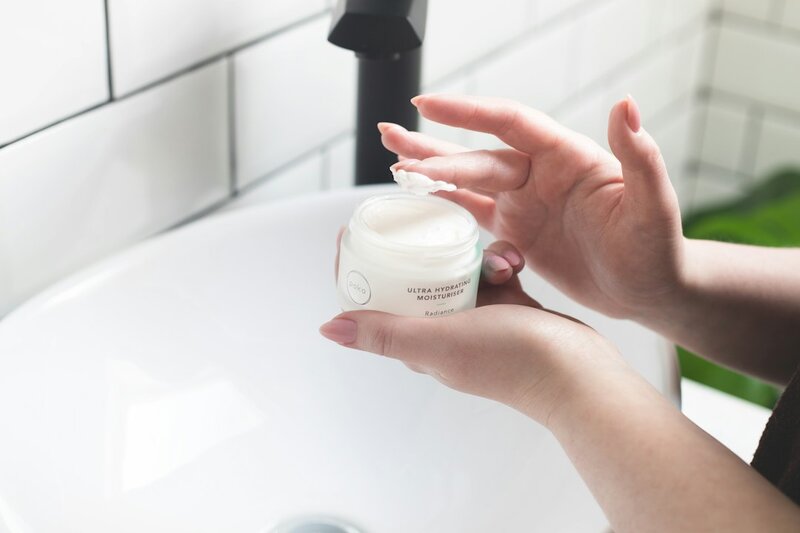
📷 Photo by Poko Skincare on Unsplash




