It is the end of August, the evenings have started to draw in, and nobody in Ireland is thinking about heating bills. That is exactly the problem. The supports that make an Irish home warm and affordable in January almost all have to be applied for months before you feel the cold, and the biggest of them takes up to two years. This is a late-summer job, not a November one.
TL;DR
- Aim for at least 18°C in the rooms you use. Below that, cold raises blood pressure and worsens chest conditions, and Irish research links every 1°C drop in daily maximum temperature to a measurable rise in deaths.
- The 2026/27 Fuel Allowance season is expected to open on Monday 21 September 2026, paying €38 a week for 28 weeks. Apply before it starts, not after.
- The SEAI Warmer Homes Scheme funds insulation and heating upgrades in full, but can take up to 24 months from application to completed works. Apply now for the winter after next.
- If you are 66 or over, the Housing Aid for Older People Grant covers rewiring, windows, roofs and heating, worth up to €10,700 depending on household income.
- Age Action’s Care and Repair service does small jobs free of charge, including handrails and trip hazards, on 0818 911 109.
Why cold is a clinical problem, not a comfort one
The World Health Organization’s housing guidance settles on 18°C as the minimum indoor temperature for health, and there is physiology behind the number rather than a preference for cosiness. Cold makes the body narrow the blood vessels in the skin to preserve core heat, which pushes blood pressure up and strains the heart. Cold air irritates the airways, which matters if you live with asthma or COPD, and cold, stiff joints make a fall more likely on the way to the kitchen at six in the morning.
None of this is theoretical here. Research in the Republic of Ireland has found that mortality climbs sharply once daily temperatures fall into the 10 to 15°C range, with an all-cause increase of roughly 6.4% for every one degree drop in daily maximum temperature, and an effect that persists for weeks rather than days. Around nine in ten cardiovascular deaths occur in people aged 65 and over, who typically spend the great majority of their time indoors. The temperature of your sitting room is part of your cardiovascular risk picture.
One study says everything about Irish housing. When researchers monitored the homes of older adults in Dublin and in Tromsø in northern Norway, the Norwegian homes held a steady temperature all year despite a far harsher climate, while the Dublin homes swung widely between summer and winter. Ireland’s problem has never been the severity of the cold. It is that our houses let it in.
Damp and mould deserve their own paragraph
A house that is hard to heat is usually also a house with condensation, and black mould behind wardrobes or in north-facing bedrooms is not a cosmetic issue. Damp housing is consistently associated with respiratory symptoms, worse asthma control and more chest infections, and the effect is strongest in people whose lungs are already compromised. Heat and ventilation work together rather than against each other: a room heated properly and briefly aired each day holds far less condensation than a cold room kept sealed shut. If you rent, minimum standards regulations require your landlord to provide fixed heating you control yourself and to keep the property free from damp, and your local authority inspects on request.
Fuel Allowance: the three-week window
Fuel Allowance is the keystone payment: €38 a week, paid for 28 weeks across the heating season, either weekly or in two lump sums. The 2026/27 season is expected to begin on Monday 21 September 2026, which is three weeks from now.
Two things people routinely get wrong. It is means tested, and the thresholds for people aged 66 and over are more generous than most assume, so a fresh check is worth your time even if you were refused years ago or have a modest occupational pension. And it is not backdated in the way people hope, so applying in November means weeks of the season already gone.
It also acts as a gateway, because receiving it is one of the routes into the Warmer Homes Scheme below. Separately, the Household Benefits Package includes an electricity or gas allowance and is available from age 70 without a means test. If you have turned 70 and never applied, that is a five-minute job.
The Warmer Homes Scheme: apply now for the winter after next
This is the scheme that fixes the underlying problem, and the one with the longest lead time. It funds attic insulation, cavity and external wall insulation, draught-proofing, lagging jackets, efficient lighting and, where the surveyor recommends it, window replacement and a heating upgrade. Since January 2025 it no longer installs fossil fuel boilers, so a heating upgrade means a heat pump or another renewable option.
To qualify you must own and live in the home, it must have been built before 2006 with a BER of C or lower, and you must be receiving a qualifying payment: Fuel Allowance, Working Family Payment, One Parent Family Payment, Domiciliary Care Allowance, Carer’s Allowance where you live with the person you care for, or Jobseeker’s or Disability Allowance for over six months with a child under seven.
Be realistic about timing: current indications are a pre-works BER assessment around twelve months after applying, a survey around fourteen, and completed works at roughly 24 to 26 months. That is a reason to apply this week, not a reason to skip it. And since March 2026, homeowners on qualifying payments can also access enhanced individual grants, up to €2,500 for attic insulation and €2,300 for cavity wall insulation, without losing their place in the queue. Attic insulation arranged that way is the single best return on investment in Irish housing.
Housing Aid for Older People
If you are 66 or over and the issue is the fabric of the house rather than its insulation, this local authority grant covers structural repairs, roof work, rewiring, replacing windows and doors, and heating repairs.
For applications from December 2024 onwards the effective maximum is €10,700. Households with gross income up to €37,500 can have up to 100% of the cost covered, tapering to 30% for incomes between €62,501 and €75,000, with no grant above €75,000. Deductions and disregards apply before your income is assessed, so do not rule yourself out on a rough calculation. Forms come from your own local authority, and processing takes months, which is the recurring theme here.
The free help people forget about
Age Action’s Care and Repair programme does small DIY jobs free of charge for older people: fitting handrails, removing trip hazards, changing locks, moving a bed downstairs. Volunteer teams operate in Dublin, Cork and Galway, and staff travel further where the work prevents a hospital admission or gets someone home sooner. Demand is high and there is a waiting list, which is one more argument for ringing in August. The number is 0818 911 109.
Your next three weeks
- Check your Fuel Allowance eligibility and apply before 21 September, even if you were refused in a previous year.
- Apply to the Warmer Homes Scheme if you qualify, treating it as a two-year project.
- If you are 66 or over and repairs are needed, request a Housing Aid for Older People form from your local authority.
- Book the boiler service now, before every plumber in the country is booked out, and have the chimney swept before you light the first fire.
- Test the carbon monoxide alarm and replace it if it is more than seven years old.
- Put a cheap thermometer in the room you use most, so you are working from a number rather than a feeling.
At Críonna Health we think the most useful health advice is often not medical at all. The insulation in your attic will do more for your blood pressure this January than most things you can buy in a chemist. The catch is that it has to be arranged while the sun is still out.
This article is general information, not individual medical or financial advice. Rates and scheme rules change with each Budget, so confirm current figures with gov.ie, Citizens Information or your local authority before applying.
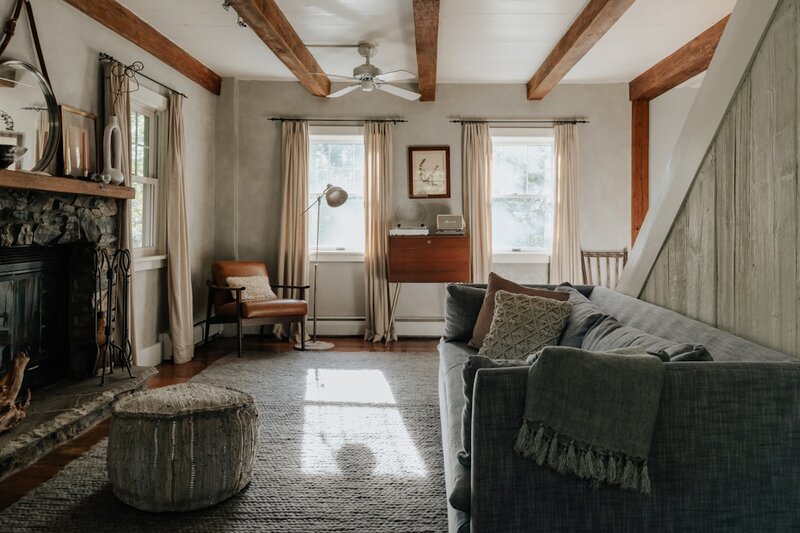
📷 Photo by Clay Banks on Unsplash