Most people worry about the surgery. Fewer people think much about the anaesthesia, right up until the night before, when it suddenly becomes the only thing they can think about. Will I wake up? Will I be confused afterwards? Am I too old for a general anaesthetic?
These are reasonable questions, and they deserve reasonable answers. Anaesthesia in Ireland is remarkably safe, and age on its own is almost never a reason to be refused an operation. What does change after 50 is how your body handles anaesthetic drugs, and how much difference good preparation makes. Here is what to expect, and what you can do to give yourself the smoothest possible experience.
TL;DR
- Anaesthesia is very safe in Ireland, and age alone is not a barrier to surgery. Your overall fitness and other conditions matter far more than the number on your chart.
- Most people having planned surgery attend a pre-operative assessment clinic weeks beforehand. Bring a complete, accurate list of every medication and supplement you take.
- The three broad options are general anaesthesia, regional anaesthesia (such as a spinal or nerve block), and sedation with local anaesthetic. Your anaesthesiologist will discuss which suits you.
- Standard fasting is six hours for food and two hours for clear fluids. Going without water for longer than necessary makes you feel worse, not safer.
- Post-operative delirium is the most common complication in older adults after surgery, and there are practical steps that genuinely reduce the risk: bring your glasses and hearing aids, stay hydrated, and get moving early.
Why age changes the picture (and why it is not a barrier)
Bodies process anaesthetic drugs differently as the decades pass. Kidney and liver function decline gradually, so drugs clear more slowly. Body composition shifts, with less muscle and proportionally more fat, which changes how some drugs distribute and how long they linger. The brain becomes more sensitive to sedatives, meaning a smaller dose achieves the same effect. Blood pressure tends to swing more readily under anaesthesia.
None of this makes anaesthesia dangerous. It makes it something that needs to be tailored, which is exactly what anaesthesiologists are trained to do. They routinely adjust doses, choose shorter-acting agents, monitor depth of anaesthesia more closely, and pay careful attention to blood pressure and temperature.
What actually predicts how you will do is not your birth year. It is your baseline fitness, your other health conditions, your nutrition, and whether you smoke. Two people of 74 can be in completely different positions, and the assessment process exists to work out where you sit.
The pre-operative assessment clinic
For planned surgery in Ireland, you will usually be invited to a pre-operative assessment clinic some weeks before your date. This is often nurse-led, with input from an anaesthesiologist where needed. Expect blood tests, an ECG if you are over a certain age or have heart concerns, blood pressure and weight checks, and a detailed conversation about your health history.
This appointment matters more than most people realise. It is where problems get spotted early enough to fix: undiagnosed anaemia that can be treated before surgery, poorly controlled blood pressure, a chest infection worth clearing, blood sugar that needs tightening up. It is also where the plan for your medications is made.
Bring with you: a written list of every medication with the dose, including anything you buy over the counter, plus vitamins, herbal remedies and supplements. If keeping this list feels like a chore, it is one of the strongest arguments for building a personal health record you can hand over in any setting. Bring details of previous anaesthetics too, especially if you or a close relative ever had a bad reaction, severe nausea afterwards, or difficulty waking.
The main types of anaesthesia
General anaesthesia puts you fully unconscious. It is given through a drip and usually maintained with anaesthetic gases or continuous infusions. You will be monitored continuously and, for many operations, a breathing tube supports your airway.
Regional anaesthesia numbs a whole region of the body while you stay awake or lightly sedated. A spinal or epidural is common for hip and knee replacements, hernia repairs and some urology procedures. Nerve blocks numb a specific limb and can provide excellent pain relief for many hours after the operation ends.
Local anaesthetic with sedation is used for shorter procedures such as cataract surgery, where the area is numbed and you are given something to help you relax.
Patients often ask whether a spinal is safer than a general anaesthetic for older adults. It is a fair question, and the honest answer is that large trials comparing spinal and general anaesthesia for hip fracture surgery have found broadly similar outcomes, including similar rates of confusion afterwards. The choice usually comes down to the operation itself, your own health picture, and your preference. Regional techniques do tend to reduce the amount of opioid painkiller needed afterwards, which is a genuine advantage.
Fasting: less than you think
The old instruction of nothing by mouth from midnight has largely gone. Current guidance is six hours without solid food and two hours without clear fluids, meaning water, black tea or coffee without milk, and clear juice without pulp.
Staying hydrated up to that two-hour mark is not cheating. Long unnecessary fasts leave people dehydrated, headachy, hypoglycaemic and more prone to low blood pressure on induction. If your surgery is scheduled for the afternoon, ask what time you can drink until, and drink until then.
Your medications need a plan
This is where the pre-assessment clinic earns its keep. Blood thinners such as warfarin or the newer anticoagulants usually need stopping at a specific point beforehand, and the timing is individual. Diabetes medications need adjusting around the fast, and some blood pressure tablets are held on the morning of surgery while others are continued. Certain herbal supplements affect bleeding and are generally stopped two weeks in advance.
Never guess at this, and never stop a medication on your own initiative because you assume it will be needed. Ask directly: which tablets do I take on the morning, and which do I skip?
Confusion afterwards: the risk worth understanding
Post-operative delirium is the most common complication in older adults after surgery. It shows up as sudden confusion, disorientation, agitation or, just as often, unusual quietness and withdrawal. It typically appears in the first day or two, and it frightens families who have never seen it before.
It is usually temporary. It is also partly preventable, and Irish hospitals have been building this into routine care. The practical steps are unglamorous and they work: bring your glasses and hearing aids and use them, stay hydrated, keep to a day and night rhythm with light and sleep, have familiar faces visit, and get out of bed and moving as early as the team allows. Good pain control helps too, since untreated pain is itself a trigger.
If you notice a family member behaving unlike themselves after an operation, say so to staff rather than assuming it is just tiredness. Early recognition changes how it is managed.
Waking up and getting home
You will wake in the recovery area with nurses watching your breathing, blood pressure and pain. Grogginess, a dry mouth, shivering and a sore throat from the breathing tube are all common and settle quickly. Nausea is common too, and worth flagging in advance if you have had it before, because preventive anti-sickness medication can be given during the operation.
Many procedures are now day cases, and you will need a responsible adult to bring you home and stay with you overnight. For 24 hours afterwards, do not drive, sign legal documents, drink alcohol, or make significant decisions. Judgement takes longer to return than alertness does.
Anaesthesiologists in Ireland train through the College of Anaesthesiologists of Ireland, and the specialty has one of the strongest safety records in medicine. If you have been waiting a long time for your procedure, it is worth asking your consultant about the National Treatment Purchase Fund, and worth using that waiting time to build fitness, since arriving in better shape genuinely improves recovery.
A short checklist
- Attend the pre-assessment clinic and bring a complete medication list
- Confirm exactly which tablets to take and skip on the morning
- Confirm your fasting times, and drink clear fluids up to the cut-off
- Mention any previous bad experience with anaesthesia or nausea
- Pack glasses, hearing aids and dentures, and tell staff you use them
- Arrange someone to collect you and stay the first night if it is a day case
- Ask what the pain relief plan is before you go under, not after
Anaesthesia is one of the areas of medicine where the safety improvements of the last few decades have been genuinely extraordinary. Ask your questions, prepare properly, and let the team do what they are very good at.
Críonna Health publishes practical, evidence-informed guidance on ageing well in Ireland. This article is general information and does not replace advice from your GP, surgeon or anaesthesiologist.
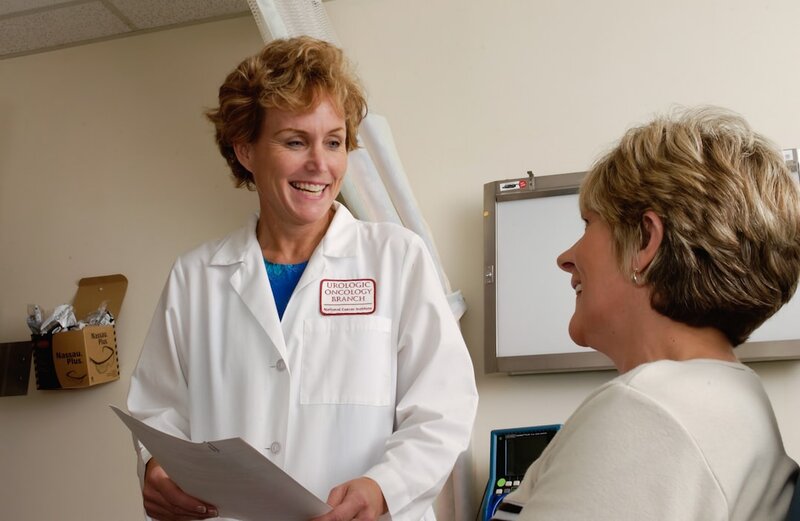
📷 Photo by National Cancer Institute on Unsplash