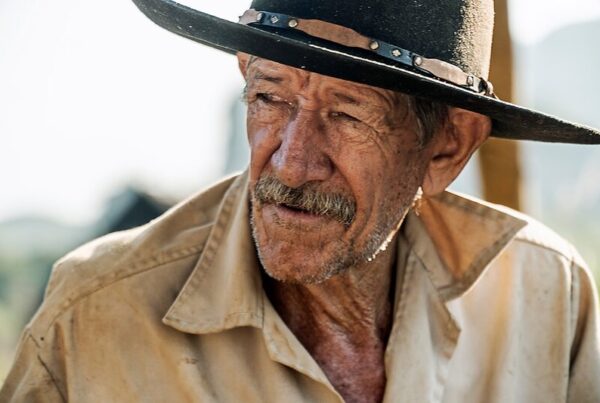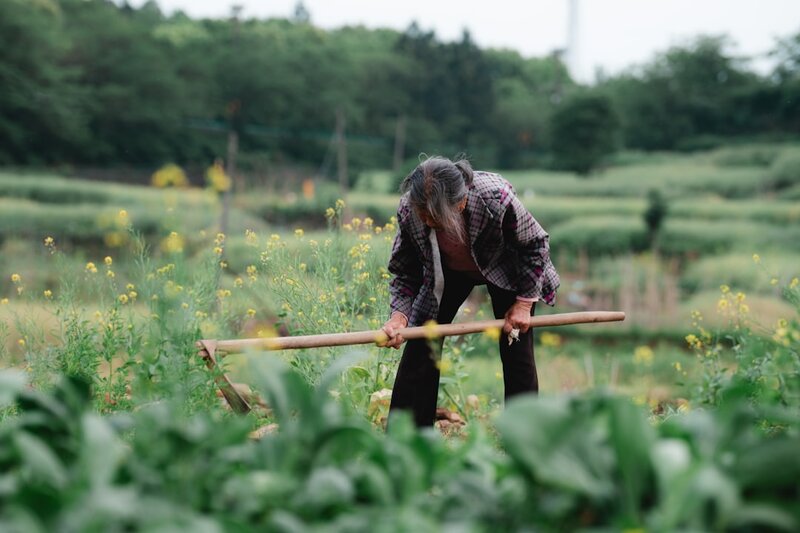
There is something about putting your hands in soil that no amount of indoor exercise can quite replicate. The feel of earth between your fingers, the rhythm of feeding animals, the satisfaction of watching something you planted push through the ground — these are experiences that speak to a deep part of us. In Ireland, a quiet but powerful movement called social farming is bringing these experiences to people who might benefit from them most, including older adults looking for purpose, connection, and a reason to get outdoors.
TL;DR
- Social farming allows people to spend time on working farms for therapeutic and social benefit — not as labourers, but as welcomed participants
- Research shows it improves mental health, reduces isolation, boosts physical activity, and provides a sense of purpose
- Social Farming Ireland coordinates placements nationwide, with referrals through HSE, Tusla, and community organisations
- Participants typically attend 1–4 days per week, with activities tailored to their abilities and interests
- It is particularly valuable for older adults in rural Ireland who may face isolation, retirement adjustment, or mental health challenges
What Is Social Farming?
Social farming — sometimes called care farming or green care — is the practice of using ordinary working farms as places where people can come for health, social, or educational benefit. It is not about turning farms into therapy centres. Rather, it is about opening up the everyday life of a farm to people who could benefit from being there.
Participants might help with feeding animals, light gardening, maintaining fences, gathering eggs, or simply walking the land and sharing a cup of tea in the farmhouse kitchen. The key principle is inclusion, not treatment. You are not a patient — you are a participant, contributing to the life of the farm in whatever way suits you.
In Ireland, Social Farming Ireland (SoFI) coordinates the national network, supported by the Department of Agriculture, Food and the Marine, the HSE, and local development companies. The model has been running here since the early 2010s, inspired by long-established programmes in the Netherlands, Belgium, and Norway.
Why It Matters for Older Adults
Retirement can be a wonderful chapter, but it can also bring unexpected challenges — a loss of routine, fewer daily social contacts, and sometimes a creeping sense of purposelessness. For people who have spent decades in structured work, the sudden absence of that structure can be genuinely difficult.
Social farming addresses several of these challenges at once:
- Meaningful activity: There is always something to do on a farm, and every task matters. Feeding hens or weeding a polytunnel may sound simple, but they give your day shape and purpose.
- Social connection: You are part of a farm family and a small group of participants. Conversations happen naturally — over tasks, over tea, over watching a calf being born.
- Gentle physical activity: Farm life keeps you moving without the self-consciousness of a gym. Walking, bending, lifting, carrying — it is functional exercise in the most natural setting possible.
- Mental health benefits: Research consistently links time in nature and contact with animals to reduced stress, anxiety, and depression. The TILDA (The Irish Longitudinal Study on Ageing) data reminds us that older adults in rural areas face higher rates of isolation — social farming directly counters this.
- Cognitive stimulation: Learning about animal care, seasonal planting, or local biodiversity keeps the mind engaged and curious.
What the Evidence Says
A growing body of research supports the health benefits of social farming. A University College Cork evaluation of the Irish social farming model found significant improvements in participants’ self-reported wellbeing, social skills, and sense of belonging. Participants described feeling “like part of the family” and valued the non-clinical, non-judgmental atmosphere.
International evidence is even more robust. A systematic review published in Health & Social Care in the Community found that care farming improved mood, self-esteem, and social functioning across diverse populations, including older adults. The World Health Organisation’s report on social prescribing and arts-based interventions (2019) highlighted green care programmes as effective community-level health interventions.
In Ireland specifically, the HSE has recognised social farming as a form of social prescribing — a way for GPs and health professionals to refer people to community-based activities rather than relying solely on medication or clinical interventions.
What a Typical Day Looks Like
No two farms are the same, and that is part of the appeal. But a typical social farming day might look something like this:
- Morning: Arrive at the farm, have a cup of tea, and catch up with the farmer and other participants. Discuss the day’s tasks.
- Mid-morning: Help with animal care — feeding chickens, checking on sheep, grooming a horse. Or work in the garden — planting, weeding, harvesting.
- Lunch: Share a meal together, often made with produce from the farm itself.
- Afternoon: Lighter tasks — walking the land, repairing a bird box, sorting seeds, or simply sitting with a dog and watching the world go by.
Activities are always adapted to your abilities. If mobility is limited, there is plenty to do sitting down — sorting produce, potting seedlings, or feeding smaller animals. The farmer works with you, not above you.
How to Access Social Farming in Ireland
Getting involved is more straightforward than you might think:
- Talk to your GP or PHN: Social farming can be accessed through social prescribing pathways. Your GP, public health nurse, or community mental health team can make a referral.
- Contact Social Farming Ireland (SoFI): Visit socialfarmingireland.ie for information on farms in your area. SoFI operates through regional coordinators who can match you with a suitable farm.
- Local development companies: Organisations like the Leitrim Development Company (a pioneer in Irish social farming), Waterford Area Partnership, and South Kerry Development Partnership run local programmes.
- HSE day services: Some HSE day service teams now include social farming placements as part of their menu of supports for older adults.
- Self-referral: In many cases, you can simply contact SoFI directly. There is no means test, and placements are typically free of charge to participants.
Placements usually run 1 to 4 days per week, with each day lasting around 4 to 6 hours. Transport can sometimes be arranged through Local Link rural transport services or community transport schemes.
Is It Right for You?
Social farming is not for everyone, and that is perfectly fine. But it may be worth considering if:
- You have recently retired and miss having a structured routine
- You live in a rural area and feel socially isolated
- You enjoy the outdoors but find formal exercise programmes unappealing
- You are living with mild to moderate anxiety or depression and would benefit from a non-clinical support
- You are a carer looking for respite or a meaningful activity for the person you care for
- You grew up on a farm and want to reconnect with that way of life
It is worth noting that social farming is also available to people living with disabilities, those recovering from mental health difficulties, and people experiencing social disadvantage. The farms welcome a diverse mix of participants, which is part of what makes the experience so enriching.
Supporting the Farmers
The host farmers are not healthcare professionals — they are ordinary farming families who have chosen to open their gates. They receive training and ongoing support from SoFI, and many describe the experience as deeply rewarding. As one Galway farmer put it: “It’s brought life back to the farm. We get as much out of it as they do.”
Under Irish health and safety legislation, host farms must meet specific requirements, and SoFI provides insurance cover for participants. The programme is carefully structured to protect both farmers and participants.
A Críonna Health Perspective
At Críonna Health, we believe that healthy ageing is about far more than medical check-ups and medication — it is about staying connected, staying active, and staying curious. Social farming embodies all of these principles. It reminds us that the simplest things — fresh air, honest work, good company — are often the most powerful medicine.
If you or someone you know might benefit from social farming, take that first step: talk to your GP, visit the Social Farming Ireland website, or contact your local development company. The farm gate is open.
📷 Photo by jason hu on Unsplash