If you’ve ever considered acupuncture for a sore back, reflexology for stress, or massage therapy to ease stiff joints, you’re far from alone. Research from the Irish Longitudinal Study on Ageing (TILDA) shows that a significant proportion of adults over 50 in Ireland use some form of complementary therapy alongside conventional medicine. But with so many options available — and varying levels of evidence behind them — it can be difficult to know what’s worth trying and what to approach with caution.
This guide offers a balanced, evidence-informed look at the most common complementary therapies used by older adults in Ireland, including what the research says, how to find a qualified practitioner, and how to stay safe.
TL;DR
- Complementary therapies are used alongside conventional medicine, not as replacements — always inform your GP about any therapies you’re using
- Acupuncture, massage therapy, and tai chi have the strongest evidence base for common conditions after 50, including chronic pain, osteoarthritis, and stress
- In Ireland, CORU regulates some health professions but most complementary therapists are self-regulated — check for membership of recognised professional bodies
- Certain therapies can interact with medications (especially blood thinners, diabetes drugs, and heart medications) — always disclose your full medication list
- Many complementary therapies are not covered by the medical card but may be partially covered by private health insurance or available through community programmes
What Are Complementary Therapies?
It’s important to distinguish between complementary and alternative medicine. Complementary therapies are used alongside conventional medical treatment — not instead of it. They may help manage symptoms, reduce stress, improve quality of life, or support recovery. Alternative medicine, by contrast, refers to practices used in place of conventional treatment, which can be risky, particularly for serious conditions.
The HSE’s position is clear: complementary therapies should never replace evidence-based medical care, but they may have a role in supporting overall wellbeing when used responsibly.
Therapies with Good Evidence After 50
Acupuncture
Acupuncture involves the insertion of fine needles into specific points on the body. It has one of the strongest evidence bases among complementary therapies, particularly for:
- Chronic pain — the Acupuncture Trialists’ Collaboration (a major international research group) found acupuncture effective for back pain, neck pain, osteoarthritis, and headaches
- Knee osteoarthritis — NICE guidelines in the UK acknowledge its potential benefit
- Post-operative nausea — well-supported by clinical evidence
In Ireland, acupuncture is practised by members of the Acupuncture Foundation Professional Association (AFPA) and the Traditional Chinese Medicine Council of Ireland. Some physiotherapists also offer dry needling, which uses similar techniques. If you’re considering acupuncture, look for a practitioner registered with a recognised professional body and ensure they use single-use, sterile needles.
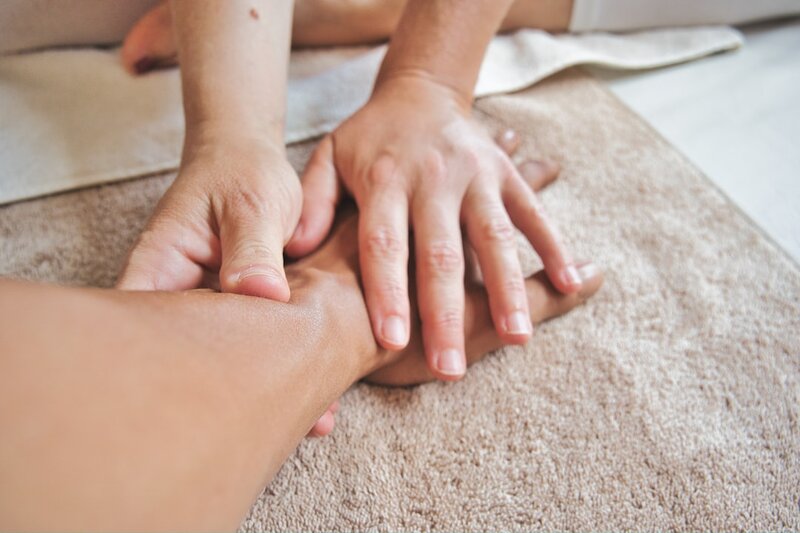
Massage Therapy
Therapeutic massage has consistent evidence for reducing muscle tension, improving circulation, easing anxiety, and supporting pain management. For older adults, it can be particularly helpful for:
- Chronic low back pain
- Osteoarthritis stiffness
- Sleep difficulties
- Stress and mild anxiety
Important considerations: if you take blood-thinning medications (such as warfarin or apixaban), have osteoporosis, or have recently had surgery, let your therapist know. Gentle techniques like Swedish massage or aromatherapy massage are generally safer than deep tissue work for those on anticoagulants or with fragile bones.
Yoga and Tai Chi
Both yoga and tai chi have robust evidence for improving balance, flexibility, and mental wellbeing after 50. They’re supported by the WHO’s guidelines on physical activity for older adults. Research shows tai chi can reduce falls risk by up to 20%, while yoga has demonstrated benefits for chronic pain, sleep quality, and anxiety. Many community centres, Local Sports Partnerships (LSPs), and Active Retirement groups across Ireland offer classes specifically designed for older adults.
Therapies with Moderate or Emerging Evidence
Reflexology
Reflexology involves applying pressure to specific points on the feet, hands, or ears. While many people find it deeply relaxing, the evidence for specific health claims (such as treating organ disease) is limited. However, there is moderate evidence that reflexology may help with:
- General relaxation and stress reduction
- Anxiety in people with cancer (as supportive care)
- Quality of life improvements
It’s generally safe for most people, though those with foot injuries, gout, or peripheral vascular disease should check with their GP first.
Osteopathy and Chiropractic
Both involve manual manipulation of the musculoskeletal system. Osteopathy has reasonable evidence for lower back pain, while chiropractic care shows similar results for spinal pain. In Ireland, neither profession is currently regulated by CORU (though discussions about statutory regulation have been ongoing). Look for practitioners registered with the Osteopathic Council of Ireland or the Chiropractic Association of Ireland.
Safety note: cervical (neck) manipulation carries a small but serious risk of arterial damage. If you have osteoporosis, spinal stenosis, or are on blood thinners, discuss manual therapy with your GP before proceeding.
Herbal Medicine
Herbal remedies are widely used in Ireland — from turmeric supplements for joint pain to valerian for sleep. Some have genuine evidence behind them (such as St John’s Wort for mild depression), but they also carry real risks:
- Drug interactions — St John’s Wort interacts with dozens of medications including statins, blood thinners, and antidepressants
- Liver toxicity — some herbal products can affect liver function
- Quality control — supplements are not regulated as medicines in Ireland and quality varies
The HPRA (Health Products Regulatory Authority) oversees herbal medicine registration in Ireland. Always tell your GP and pharmacist about any herbal supplements you take — they need the full picture to keep you safe.
How to Find a Qualified Practitioner in Ireland
Unlike GPs, nurses, and physiotherapists (who are regulated by CORU or the Medical Council), most complementary therapists in Ireland are self-regulated through professional bodies. This means standards can vary. Here’s how to protect yourself:
- Check professional membership — look for practitioners who belong to a recognised professional body with a code of ethics, complaints procedure, and insurance requirements
- Ask about qualifications — a reputable therapist will be happy to discuss their training
- Verify insurance — all professional practitioners should carry professional indemnity insurance
- Trust your instincts — a good therapist will never tell you to stop taking prescribed medication or avoid seeing your GP
Paying for Complementary Therapies
Most complementary therapies are not covered by the medical card or GP visit card. However:
- Some private health insurance plans (Irish Life Health, Laya Healthcare, VHI) offer partial cover for named therapies like acupuncture, osteopathy, or chiropractic — check your policy
- Community groups — some Active Retirement branches, Men’s Sheds, and Family Resource Centres offer subsidised or free relaxation sessions, yoga, or tai chi
- HSE Chronic Disease Management (CDM) Programme — while this doesn’t cover complementary therapies directly, it can refer you to physiotherapy and occupational therapy, which may incorporate some complementary approaches
- You can claim tax relief on some practitioner fees under the Med 1 form if the practitioner is a registered health professional (e.g., a physiotherapist who uses acupuncture)
Staying Safe: A Checklist
- ✔ Always tell your GP what complementary therapies you use or plan to try
- ✔ Never stop prescribed medication based on a therapist’s advice
- ✔ Bring your medication list to your first appointment
- ✔ Be wary of anyone promising a “cure” for a serious condition
- ✔ Start with one therapy at a time so you can assess what helps
- ✔ Keep a brief diary of how you feel before and after sessions
Where Críonna Health Comes In
At Críonna Health, we believe in supporting informed choices about your wellbeing. Complementary therapies can be a valuable part of your health toolkit — when chosen wisely and used alongside good medical care. If you’re unsure where to start, your GP or community pharmacist can often point you towards reputable local practitioners, and many Local Sports Partnerships offer tai chi or yoga classes designed specifically for older adults.
The key is balance: stay curious, stay informed, and stay connected with your healthcare team.
📷 Photo by THLT LCX on Unsplash