Every year, thousands of Irish people who spent decades abroad make the journey home. Whether you left in the 1980s or the 2000s, coming back to Ireland in your 50s, 60s, or beyond brings a unique mix of excitement and practical challenge. The country you return to may look quite different from the one you left — and navigating the healthcare system, pension entitlements, and social supports can feel daunting at first.
The good news is that Ireland has a growing network of supports specifically designed to help returning emigrants settle back in. This guide walks you through the key health and wellbeing steps to make your homecoming as smooth as possible.
TL;DR
- Register with a GP as soon as you arrive — this is your gateway to HSE services, screenings, and the Chronic Disease Management Programme
- Apply for a medical card or GP visit card early; eligibility is means-tested and you may qualify immediately if you are over 70
- Contact the Department of Social Protection to have your PRSI record assessed — bilateral social security agreements with many countries can help you qualify for the State Pension
- Safe Home Ireland offers free, confidential support to older Irish emigrants considering returning or who have recently returned
- Reverse culture shock is real — give yourself time to adjust and reach out to organisations like ALONE, Active Retirement Ireland, or your local Family Resource Centre
Your First Steps: Registering for Healthcare
Ireland’s public healthcare system is run by the Health Service Executive (HSE). Unlike some countries, Ireland does not have universal free healthcare for all residents, but there are important entitlements — especially for older adults.
Register with a GP. This should be one of your first priorities. Your GP is your gateway to the entire health system: referrals to specialists, prescriptions, health screenings, and the HSE’s Chronic Disease Management (CDM) Programme for conditions like diabetes, heart disease, asthma, and COPD. If you are not sure how to find a GP in your area, the HSE website has a GP finder tool, or your local health centre can advise.
Get a PPS number. If you had one before you left, it is still valid. If you have never had one, you will need to apply through your local Intreo centre. Your PPS number is essential for accessing social welfare, healthcare entitlements, and revenue services.
Medical Card and GP Visit Card
The medical card entitles you to free GP visits, public hospital care, prescription medicines (with a small co-payment), and dental, optical, and aural services. Eligibility is means-tested based on your income and circumstances.
If you are aged 70 or over, you may qualify for a medical card under the higher income thresholds that apply to this age group (currently €550 per week for a single person, or €1,050 per week for a couple). Many returning emigrants over 70 qualify automatically.
If you do not qualify for a full medical card, you may still be eligible for a GP visit card, which covers the cost of GP consultations. Since 2023, everyone aged 70 and over is entitled to a GP visit card regardless of income. People aged under 70 may also qualify based on a means test, and since April 2024 all people ordinarily resident in Ireland can apply.
Apply through hse.ie or at your Local Health Office. Processing can take several weeks, so apply as soon as you have settled.
Transferring Your Medical Records
If you have been managing a chronic condition abroad, bring copies of your medical records, recent test results, and a list of current medications with you. Your new GP will need this information to ensure continuity of care. If you take prescription medication, bring enough to cover your first few weeks in Ireland, along with a letter from your previous doctor listing your medications and dosages.
Under Ireland’s CDM Programme, your GP can provide structured care for conditions including Type 2 diabetes, cardiovascular disease, asthma, and COPD — often at no extra cost if you have a medical card or GP visit card.
Pension Entitlements and PRSI
One of the most common concerns for returning emigrants is whether they will qualify for the State Pension (Contributory). This depends on your PRSI contribution record. If you worked in Ireland before emigrating, those contributions still count.
Crucially, Ireland has bilateral social security agreements with many countries — including the UK, USA, Canada, Australia, and most EU/EEA states. These agreements allow your social insurance contributions in other countries to be combined with your Irish PRSI record when assessing pension eligibility. This can make a significant difference.
Contact the Department of Social Protection (DSP) to have your record assessed. You can also check your PRSI contribution history through MyWelfare.ie. If you do not qualify for a contributory pension, you may be eligible for the State Pension (Non-Contributory), which is means-tested.
Other Financial Supports
Depending on your circumstances, you may also be entitled to:
- Fuel Allowance — a weekly payment during winter months to help with heating costs
- Household Benefits Package — a monthly electricity or gas allowance plus a free television licence
- Living Alone Increase — an additional weekly payment if you live alone and receive a qualifying social welfare payment
- Free Travel Pass — available to all residents aged 66 and over for unlimited travel on public transport
Your local Citizens Information Centre can help you navigate these entitlements and check what you qualify for.
Housing: Finding Your Feet
Housing is one of the biggest practical challenges for returning emigrants. Ireland’s housing market has changed dramatically, and rental costs — particularly in Dublin and other cities — may come as a shock.
Safe Home Ireland is a voluntary organisation based in County Mayo that provides free, confidential advice and support to older Irish emigrants who are thinking about returning or who have recently come home. They can help with housing applications, local authority housing lists, and connecting you with supports in your area. Their helpline is a lifeline for many returning emigrants.
If you are over 66, you may also be eligible for the Housing Assistance Payment (HAP) or local authority housing, and the Housing Adaptation Grant for Older People can help fund modifications to make a home safe and accessible.
The Emotional Side: Reverse Culture Shock
Much of the conversation about returning to Ireland focuses on the practical — healthcare, pensions, housing. But the emotional and psychological adjustment deserves just as much attention.
Reverse culture shock is a well-documented phenomenon. You may feel like a stranger in a place that was once home. The Ireland you remember may not match the Ireland you find. Old friends may have moved on, family dynamics may have shifted, and the pace of life may feel different from what you were used to abroad.
These feelings are completely normal. Research from the Irish Longitudinal Study on Ageing (TILDA) consistently shows that social connection is one of the strongest predictors of health and wellbeing in later life. Rebuilding your social network is not a luxury — it is a health priority.
Some practical steps that can help:
- Join a local group. Active Retirement Ireland has branches across the country offering social activities, outings, and classes. Men’s Sheds provide a welcoming space for men to connect through shared projects. Your local Family Resource Centre or community centre will have information on what is available near you.
- Contact ALONE. This national organisation supports older people who are isolated, lonely, or in need of practical help. Their befriending service matches you with a volunteer for regular phone calls or visits — a valuable bridge while you are settling in.
- Talk to your GP. If you are finding the adjustment particularly difficult — low mood, anxiety, sleep problems — your GP can refer you to counselling or connect you with HSE mental health supports. There is no shame in asking for help during a major life transition.
Health Screenings You May Have Missed
If you have been living abroad, you may not have been part of Ireland’s national screening programmes. Now that you are back, it is worth registering for:
- BreastCheck — free mammograms for women aged 50–69
- BowelScreen — free home bowel screening kits for people aged 59–69
- Diabetic RetinaScreen — free annual eye screening if you have diabetes
Your GP can also arrange routine blood tests, blood pressure checks, and cholesterol screening as part of the CDM Programme. If it has been a while since your last full check-up, now is the time.
Staying Connected with Family Abroad
Returning to Ireland does not mean losing touch with the life and relationships you built abroad. Video calling, messaging apps, and social media make it easier than ever to stay connected with friends and family overseas. If you are not confident with technology, Age Action Ireland and ALONE both run free digital literacy programmes that can help you get set up.
At Críonna Health, we believe that returning to Ireland in your later years should be a positive chapter — not an overwhelming one. With the right information and support, you can navigate the practical challenges and focus on what matters most: your health, your wellbeing, and your connection to the community you are rejoining.
Key Contacts and Resources
- Safe Home Ireland: 098 36036 | safehomeireland.com
- Citizens Information: 0818 07 4000 | citizensinformation.ie
- ALONE: 0818 222 024 | alone.ie
- Active Retirement Ireland: activeirl.ie
- Department of Social Protection: gov.ie/dsp
- HSE: hse.ie
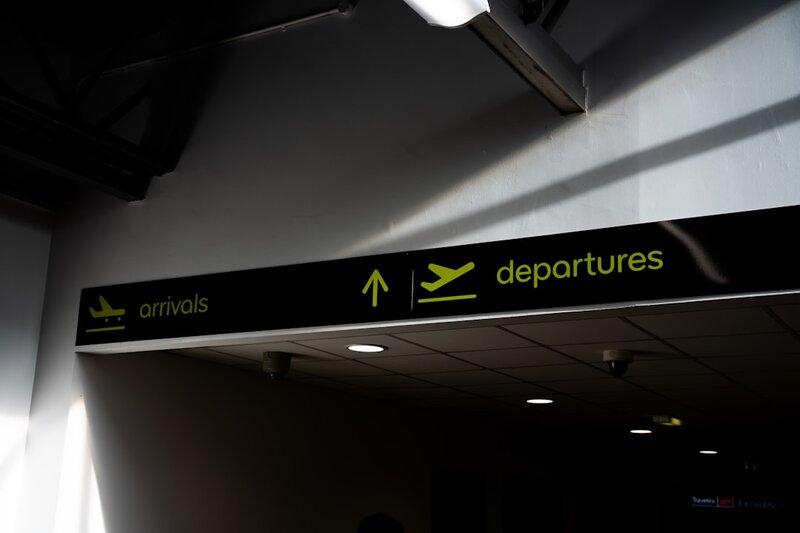
📷 Photo by Winston Tjia (@winstontjia) on Unsplash