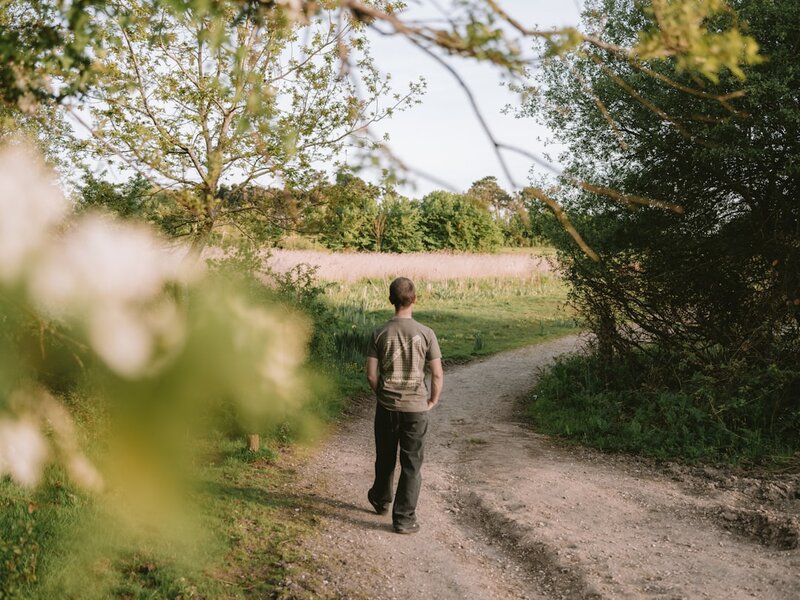
For many of us in Ireland, the car is more than a way of getting from A to B. It represents freedom, spontaneity, and self-reliance — the ability to pop to the shops, visit a friend, or drive to a GP appointment on your own terms. So when the time comes to hand back the keys, whether because of a health condition, changes in vision, or simply feeling less confident behind the wheel, it can feel like losing a part of who you are.
If you or someone you care about is facing this transition, know that you are far from alone. Research from The Irish Longitudinal Study on Ageing (TILDA) shows that driving cessation is one of the most significant life changes older adults experience, with real impacts on mental health, social participation, and daily independence. But with the right planning, support, and mindset, life after driving can still be full, active, and connected.
TL;DR
- Giving up driving is a major life transition that affects independence, mental health, and social connection — planning ahead makes it easier.
- Ireland’s Free Travel Pass, Local Link rural bus services, and community transport schemes can replace many car journeys.
- TILDA research links driving cessation to increased loneliness and depression — staying socially active is essential.
- Practical strategies include consolidating errands, online shopping and deliveries, and building a personal transport network of family, friends, and neighbours.
- The decision to stop driving should ideally be gradual and self-directed — talk to your GP early if you have concerns about your driving.
Why Giving Up Driving Feels So Hard
It is worth acknowledging upfront: this is genuinely difficult. Driving cessation is not just a practical inconvenience — it touches on identity, autonomy, and your sense of place in the world. For people who have driven for 30, 40, or 50 years, the car is woven into daily life in ways that are hard to untangle.
TILDA research has found that older adults who stop driving are more likely to experience depressive symptoms, reduced social participation, and feelings of isolation. This is particularly acute in rural Ireland, where public transport options can be limited and distances to shops, healthcare, and social activities are greater.
Understanding that these feelings are normal — and shared by many thousands of people across Ireland — is the first step towards navigating the transition well.
Making the Decision: Gradual Is Better Than Sudden
Where possible, the most helpful approach is to plan ahead rather than wait for a crisis. Some people stop driving overnight after a health event, which can make the adjustment much harder. If you are starting to feel less confident, consider a gradual approach:
- Talk to your GP. They can assess whether a health condition is affecting your ability to drive safely and advise on next steps. In Ireland, drivers over 70 must provide a medical fitness certificate when renewing their licence — your GP is already part of this process.
- Try reducing rather than stopping. You might begin by avoiding motorways, night driving, or unfamiliar routes, then gradually reduce further as you build up alternative transport habits.
- Consider a voluntary driving assessment. The RSA (Road Safety Authority) does not offer formal assessments for older drivers, but some driving instructors provide refresher lessons that can help you gauge your confidence and skills honestly.
Making the decision yourself, rather than having it made for you, preserves your sense of control and dignity — which matters enormously for wellbeing.
Transport Alternatives in Ireland
Ireland’s public transport network has improved significantly in recent years, and there are more options than many people realise:
Free Travel Pass
If you are aged 66 or over, you are entitled to a Free Travel Pass, which covers Bus Éireann, Dublin Bus, Luas, DART, Irish Rail, and some private bus services. If you have a disability, you may qualify before age 66. The pass also covers a companion if you need someone to travel with you. Apply through your local post office or online via the Department of Social Protection.
Local Link and Rural Transport
The Local Link (formerly Rural Transport Programme) network operates demand-responsive and scheduled bus services in rural areas across Ireland. These services are specifically designed for communities with limited public transport. Many routes connect villages to nearby towns for shopping, medical appointments, and social activities. Contact your local Local Link office to find out what is available in your area.
Community Transport and Volunteer Driving
Many community groups, parish organisations, and charities offer informal transport arrangements. ALONE coordinates volunteer befriending and practical support, including help with transport. Local Active Retirement groups often arrange shared lifts to meetings and outings. Ask at your local Family Resource Centre or Citizens Information office about what is available near you.
Taxis and Hackney Services
While taxis are more expensive than public transport, using a taxi for specific journeys (a weekly shop, a hospital appointment) can still work out far cheaper than running a car when you factor in insurance, tax, fuel, NCT, and maintenance. Some people find that budgeting a set amount per week for taxi fares gives them the flexibility they need.
Online Shopping and Deliveries
Supermarket delivery services from Tesco, SuperValu, and Dunnes Stores now cover much of Ireland. An Post delivers to every address in the country. If you are not confident ordering online, a family member, friend, or local Age Action digital literacy volunteer can help you get set up.
Protecting Your Mental Health
The emotional side of giving up driving deserves just as much attention as the practical logistics. Here are some strategies that can help:
- Name the loss. It is okay to grieve the independence that driving gave you. Talking about how you feel — with a friend, family member, or counsellor — is far healthier than bottling it up.
- Stay socially active. The biggest risk of driving cessation is not the loss of transport itself, but the social withdrawal that can follow. Make a deliberate effort to maintain your social activities, even if getting there requires more planning.
- Reframe the change. Many people who stop driving report unexpected positives: less stress, no more worrying about other drivers, saving money, walking more, and actually noticing the neighbourhood they have driven through for years without looking.
- Accept help gracefully. Allowing others to give you a lift is not a burden — most people are glad to help, and it often strengthens relationships. You can reciprocate in other ways: a cup of tea, a home-baked scone, or simply good company on the journey.
Staying Active Without a Car
One concern people often raise is how they will stay physically active without the ability to drive to a gym, pool, or walking group. In reality, not driving can actually increase your daily activity levels:
- Walking replaces short car trips. Many of the journeys we make by car are under two kilometres — perfectly walkable for most people.
- E-bikes are a game-changer. Electric bicycles are increasingly popular among older adults in Ireland, offering assisted pedalling that makes hills and headwinds manageable. The initial cost is offset by eliminating car expenses.
- Local activities reduce the need to travel. Community centres, GAA clubs, parish halls, and local parks often host exercise classes, walking groups, and social activities within walking distance.
Planning Ahead: A Checklist
Whether you are planning to stop driving soon or simply thinking about the future, these steps can make the transition smoother:
- Map your essential journeys — GP, pharmacy, shops, social activities — and identify how you would make each one without a car.
- Apply for your Free Travel Pass if you are eligible.
- Contact your local Local Link office to find out about rural transport services.
- Build a personal transport network — family, friends, neighbours who might share lifts.
- Set up online shopping for groceries and household essentials.
- Consider your housing — if you are planning a future move, proximity to services and public transport should be a key factor.
- Talk to your family about your plans, so everyone is prepared and can offer support.
Where to Find Support
- Citizens Information (citizensinformation.ie) — Free Travel Pass, entitlements, local services.
- ALONE (alone.ie, Freephone 0818 222 024) — befriending, practical support, and technology assistance for older adults living alone.
- Age Action (ageaction.ie) — information, advocacy, and digital literacy support.
- Local Link (locallink.ie) — rural and community transport services.
- Active Retirement Ireland (activeretirementireland.ie) — social groups, outings, and shared transport.
- Seniorline (1800 80 45 91) — a confidential listening service for older adults, run by trained older volunteers.
At Críonna Health, we believe that every life transition — even the difficult ones — can be navigated with dignity, support, and a good plan. Giving up driving does not mean giving up independence. It means finding new ways to stay connected, active, and in control of your own life.
📷 Photo by Annie Spratt (@anniespratt) on Unsplash