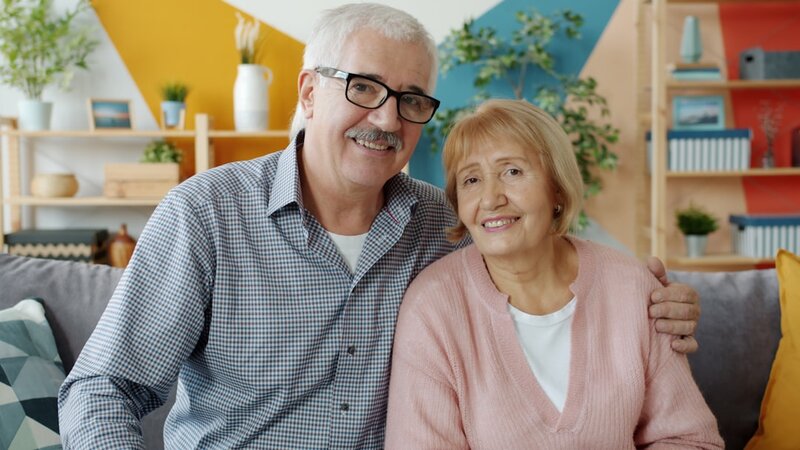
When the last child moves out — whether for college, a first job, or to set up their own home — the house can feel strangely quiet. The routines that shaped your days for two decades or more suddenly vanish. The fridge empties more slowly, the laundry basket stays half-full, and evenings stretch out in a way they never used to. If you are feeling a mix of pride, loss, relief, and sadness all at once, you are far from alone. This transition, often called empty nest syndrome, affects thousands of parents across Ireland every year — and it deserves to be taken seriously.
TL;DR
- Empty nest syndrome is a recognised period of grief and adjustment when children leave home — it is not a sign of weakness or failure
- Research shows it can affect sleep, mood, identity, and even physical health, particularly for those whose lives revolved around parenting
- Irish supports include ALONE’s befriending service (0818 222 024), Samaritans (116 123), and community groups through Active Retirement Ireland
- Reframing the transition as an opportunity — not a loss — is key: rediscovering hobbies, strengthening your relationship with your partner, and building new social connections all help
- If low mood persists for more than a few weeks, speak with your GP — counselling and talking therapies are available through the HSE
What Is Empty Nest Syndrome?
Empty nest syndrome is not a clinical diagnosis, but it is a widely recognised psychological experience. It describes the feelings of sadness, loss, and purposelessness that can follow when children leave the family home. For many parents — particularly those who have been primary carers — a child’s departure can feel like a bereavement, even when the rational mind knows this is a natural and positive milestone.
Research from the Irish Longitudinal Study on Ageing (TILDA) at Trinity College Dublin has consistently highlighted the importance of social connection and purpose for wellbeing in later life. When parenting has been the primary source of both, its absence can leave a real gap.
Who Does It Affect?
Empty nest syndrome can affect anyone, regardless of gender or background. However, research suggests it may be particularly acute for:
- Stay-at-home parents whose daily identity was closely tied to caregiving
- Single parents who may experience both the emotional loss and a sudden shift to living alone
- Parents whose last child leaves — the finality of this can be more difficult than earlier departures
- Those approaching retirement simultaneously, who face a double identity shift
- Parents in rural Ireland, where emigration or moving to cities for work may mean children settle far away
In Ireland, emigration adds another layer. Many parents find their adult children moving abroad for career opportunities, making visits less frequent and the sense of distance more pronounced.
Recognising the Signs
Empty nest feelings can manifest in ways you might not immediately connect to your child’s departure:
- Persistent sadness, tearfulness, or a sense of emptiness
- Difficulty sleeping or changes in appetite
- Loss of motivation for activities you previously enjoyed
- Feeling directionless or asking “what now?”
- Increased tension in your relationship with your partner — sometimes couples discover they have grown apart behind the shared project of parenting
- Physical symptoms such as fatigue, headaches, or a weakened immune response linked to chronic stress
These feelings are valid. Acknowledging them is the first step toward navigating the transition well.
Reframing the Transition: Loss or Opportunity?
While the initial adjustment can be genuinely difficult, many people eventually find that the empty nest opens doors they had forgotten existed. The key is not to rush past the grief, but not to get stuck in it either.
Rediscover yourself
What did you enjoy before children? What did you never have time for? Whether it is painting, hill walking, learning Irish, or finally tackling that Open University course, now is the time. ETBs (Education and Training Boards) across Ireland offer affordable courses for adults, from languages to technology to creative writing. Many are specifically designed for people returning to learning later in life.
Strengthen your relationship
If you have a partner, the empty nest can be a chance to rediscover each other. Research published in the Journal of Family Psychology suggests that relationship satisfaction often increases after children leave — but only if couples actively invest in reconnecting. Plan activities together, have conversations that go beyond logistics, and consider couples counselling if you are finding the adjustment difficult. Relate Ireland and Accord offer relationship support services nationwide.
Build new social connections
Community involvement is one of the most effective buffers against loneliness. Active Retirement Ireland has over 500 local groups across the country, offering activities from walking to book clubs. Men’s Sheds, the ICA (Irish Countrywomen’s Association), local sports clubs, and volunteering with organisations like Age Action Ireland or the Society of St Vincent de Paul all provide meaningful connection.
Explore volunteering or part-time work
Many people find that giving their time to something beyond the home restores a sense of purpose. Volunteer Ireland (volunteer.ie) connects people with opportunities that match their skills and availability. If you are considering part-time or flexible work, Local Enterprise Offices can advise on options including starting a small enterprise.
When to Seek Professional Support
It is entirely normal to feel low for a few weeks after a major life transition. However, if sadness, withdrawal, or hopelessness persist beyond a month or two — or if you find yourself unable to function day-to-day — it is important to speak with your GP.
Your GP can assess whether you are experiencing clinical depression or an anxiety disorder, and can refer you to appropriate supports. Under the HSE’s counselling services, you may be eligible for free or subsidised talking therapy. Organisations like Aware (1800 80 48 48) offer free support groups for people experiencing depression, and the Samaritans (116 123) are available around the clock.
If you are over 50 and living alone following your child’s departure, ALONE’s befriending and support service (0818 222 024) can provide regular check-in calls and help you connect with local supports. Their Support & Befriending service matches older people with trained volunteers for regular phone contact or visits.
Staying Connected With Your Adult Children
Part of the adjustment is learning to relate to your children as adults rather than dependants. This can be one of the most rewarding — and challenging — aspects of the transition.
- Establish new communication patterns — agree on a rhythm that works for both of you, whether that is a weekly video call or regular messages
- Respect their independence — offering advice when asked rather than unasked is a skill worth practising
- Visit and be visited — but avoid the temptation to make their new life feel like an extension of the family home
- Celebrate the relationship evolving — many parents find that their relationship with their adult children becomes richer and more honest over time
A Word About Irish Culture and Family
Ireland has a particularly strong family culture, and the family home holds deep emotional significance. The expectation — sometimes unspoken — that family stays close can make geographical distance feel like a failure, even when it is simply life unfolding as it should. It is worth remembering that strong family bonds do not require physical proximity. A loving, supportive relationship can thrive across any distance.
At Críonna Health, we believe that every life transition — including this one — is an opportunity for growth. The empty nest is not an ending. It is the beginning of a chapter that is entirely yours to write.
Practical Steps to Take Today
- Name what you are feeling — acknowledging the transition is powerful in itself
- Talk to someone — a friend, partner, GP, or support line
- Join one new activity — even a single weekly commitment can transform your week
- Set a personal goal — something unrelated to your children that excites you
- Be patient with yourself — adjustment takes time, and there is no correct timeline
📷 Photo by Vitaly Gariev on Unsplash