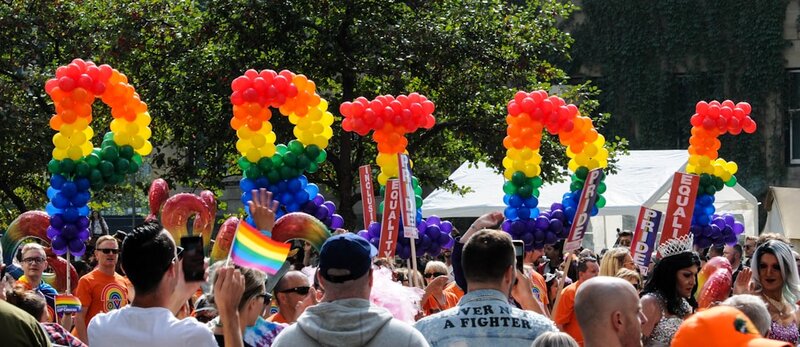
Ireland has come a long way. From the decriminalisation of homosexuality in 1993 to the historic Marriage Equality referendum in 2015, the country has made remarkable strides in LGBTQ+ rights. Yet for many older LGBTQ+ adults — those who lived through decades when their identity was criminalised, pathologised, or simply invisible — the journey has been anything but straightforward.
Growing older brings its own set of challenges for everyone, but LGBTQ+ adults over 50 in Ireland can face additional layers of complexity. From the lasting impact of minority stress to navigating healthcare systems, from concerns about residential care to the simple desire to be seen and respected, there are experiences unique to this community that deserve attention and understanding.
TL;DR
- Older LGBTQ+ adults in Ireland may face unique health and wellbeing challenges shaped by decades of discrimination, including minority stress and social isolation
- Ireland’s equality legislation — including the Equal Status Acts, Employment Equality Acts, and Marriage Equality — protects LGBTQ+ people of all ages from discrimination
- Key supports include LGBT Ireland’s helpline (1800 929 539), the GCN Older Persons’ Network, and SAGE Advocacy for residential care concerns
- Healthcare providers should be informed about your identity where relevant — it can affect screening, mental health support, and care planning
- Advance healthcare directives and enduring powers of attorney are especially important for LGBTQ+ adults to ensure chosen family can advocate on their behalf
A Generation That Lived Through Enormous Change
Consider what life looked like for an LGBTQ+ person born in Ireland in the 1950s or 1960s. Homosexuality was a criminal offence until 1993. The influence of the Catholic Church on public life meant that many people grew up in environments where their identity was considered sinful, shameful, or simply unmentionable. For transgender and non-binary people, recognition was even further away — the Gender Recognition Act only arrived in 2015.
Many older LGBTQ+ adults spent decades concealing who they were. Some married heterosexual partners, some emigrated to find acceptance, and some simply stayed silent. This history matters because it shapes how people experience ageing today. Research consistently shows that prolonged exposure to stigma, discrimination, and the need to conceal one’s identity — known as minority stress — can have lasting effects on both mental and physical health.
Health Considerations Worth Knowing
LGBTQ+ older adults are not a monolithic group, and health needs vary widely. However, certain patterns are worth understanding:
Mental health: International research, including studies from the UK’s Stonewall organisation and the US National Institute on Aging, consistently finds higher rates of depression, anxiety, and social isolation among older LGBTQ+ adults compared to their heterosexual, cisgender peers. In Ireland, the LGBTIreland Report (2016) found significant mental health disparities, with older respondents reporting lifetime impacts from growing up in a hostile environment.
Social isolation: Older LGBTQ+ adults are more likely to live alone, less likely to have children, and may have experienced estrangement from family. TILDA research has consistently highlighted loneliness as a major health risk for all older adults — but for LGBTQ+ people, the risk can be compounded by a smaller social network and reluctance to engage with mainstream services that may not feel inclusive.
Substance use: Historical patterns of socialising primarily in bars and clubs, combined with coping strategies developed in response to stigma, mean that some older LGBTQ+ adults may have a more complex relationship with alcohol. The HSE’s addiction services are available to everyone, and organisations like LGBT Ireland can help connect people with LGBTQ+-affirming support.
Screening and preventive care: Some LGBTQ+ adults may have avoided or delayed engaging with healthcare services due to past negative experiences. If you have been putting off health checks, your GP is a good starting point. Ireland’s free screening programmes — BreastCheck, BowelScreen, and CervicalCheck — are available regardless of sexual orientation or gender identity.
Navigating Healthcare With Confidence
One of the most common concerns among older LGBTQ+ adults is whether to disclose their identity to healthcare providers. There is no obligation to do so, but in many cases it can improve your care.
Your sexual orientation and gender identity can be relevant to your health in practical ways — from understanding your risk profile for certain conditions, to ensuring your mental health support is appropriate, to making sure your partner is recognised and included in care decisions. A good GP will welcome this information and treat it with the same confidentiality as any other aspect of your health.
If you are a transgender person taking hormone therapy, it is particularly important that your healthcare team is aware, as hormones can interact with other medications and affect screening recommendations.
The HSE has been working to improve LGBTQ+ inclusivity across its services. If you experience discrimination in a healthcare setting, you can make a complaint through the HSE’s Your Service Your Say feedback system.
Your Rights Under Irish Law
Ireland’s equality framework is among the strongest in Europe for LGBTQ+ people:
- Equal Status Acts 2000-2018: Prohibit discrimination in the provision of goods, services, accommodation, and education on the grounds of sexual orientation and gender (among other grounds)
- Employment Equality Acts 1998-2021: Protect against workplace discrimination, including for older workers
- Marriage Equality (2015): Full marriage rights for same-sex couples, including rights around inheritance, next-of-kin status, and pension entitlements
- Gender Recognition Act 2015: Allows transgender people to have their preferred gender legally recognised
- Assisted Decision-Making (Capacity) Act 2015: Protects the rights of all adults, including LGBTQ+ people, in decisions about their care
These protections apply in residential care settings too. If you are considering or entering a nursing home, you have the right to be treated with dignity and respect. HIQA (the Health Information and Quality Authority) sets standards for residential care that include respecting residents’ identity, relationships, and personal life.
Residential Care and Chosen Family
The prospect of moving into residential care can be particularly anxiety-provoking for LGBTQ+ older adults. Concerns about going “back into the closet,” about staff attitudes, or about being separated from a same-sex partner are common and valid.
If you are exploring care options, consider asking directly about the facility’s approach to LGBTQ+ residents. Some questions worth raising:
- Does the facility have an equality or diversity policy?
- How are same-sex partners accommodated?
- Is staff training provided on LGBTQ+ inclusion?
- How would the facility handle a complaint about discriminatory behaviour from another resident or staff member?
Sage Advocacy (formerly SAGE — Support and Advocacy Service for Older People) can provide independent support if you have concerns about your rights in a care setting.
The Importance of Planning Ahead
Legal planning is important for everyone, but it carries particular weight for LGBTQ+ adults. If you are in a relationship but not married, your partner may not automatically be recognised as next of kin. Even if you are married, having clear documentation in place can prevent difficulties during a health crisis.
Consider putting the following in order:
- Enduring Power of Attorney (EPA): Appoint someone you trust to make decisions on your behalf if you lose capacity. This can be your partner, a friend, or any trusted person — it does not have to be a blood relative.
- Advance Healthcare Directive: Set out your wishes for future medical treatment. This is especially valuable if your chosen family differs from your biological family.
- Will: Ensure your assets go where you intend. Without a will, the Succession Act’s default rules apply, which may not reflect your wishes.
For LGBTQ+ people who may have complicated family relationships, these documents provide crucial protection and peace of mind.
Community, Connection, and Support
Finding community can be transformative at any age. In Ireland, several organisations offer support specifically for or inclusive of older LGBTQ+ adults:
- LGBT Ireland: Operates a national helpline (1800 929 539) and peer support groups. They offer a warm, confidential space to talk — whether you have been out for decades or are exploring your identity for the first time in later life
- GCN (Gay Community News): Ireland’s longest-running LGBTQ+ publication, which has highlighted older LGBTQ+ voices and runs community events
- TENI (Transgender Equality Network Ireland): Provides support and advocacy for transgender people of all ages
- Age Action Ireland: While not LGBTQ+-specific, Age Action works on issues affecting all older adults and has engaged with LGBTQ+ ageing as a policy concern
- ALONE: Provides befriending, practical support, and a helpline (0818 222 024) for older adults who are isolated — inclusive of all identities
- Men’s Sheds and Active Retirement groups: Increasingly welcoming to diverse members — worth exploring in your local area
Online communities can also be valuable, particularly for those in rural areas where in-person LGBTQ+ groups may be limited. LGBT Ireland and other organisations offer online support options.
A Note for Families, Carers, and Professionals
If you are a family member, carer, or health professional supporting an older LGBTQ+ adult, your role is important. Simple things make a difference: using correct names and pronouns, not making assumptions about relationships, and creating an environment where someone feels safe to be themselves.
For healthcare professionals, consider whether your intake forms, language, and assumptions are truly inclusive. Training is available through organisations like LGBT Ireland and the HSE’s own equality programmes.
Looking Forward
Ireland’s older LGBTQ+ community is a generation of pioneers — people who lived through criminalisation and emerged into a country that now, at least in law, recognises their full equality. That journey deserves respect, and the supports available should reflect it.
At Críonna Health, we believe that ageing well means being able to live authentically, with dignity and connection, regardless of who you are or whom you love. If this article has raised any questions or if you would like to explore supports further, the organisations listed above are excellent starting points.
You have lived your truth — or perhaps you are only now beginning to. Either way, you deserve to age in a world that sees and values you.
📷 Photo by Toni Reed (@trfotos) on Unsplash