When we talk about caring for older adults in Ireland, the conversation often centres on adult children looking after ageing parents. But there is another group of carers who are quietly doing some of the most intensive caring work of all: spouses and partners. In fact, according to the Irish Longitudinal Study on Ageing (TILDA), a significant proportion of family carers in Ireland are themselves over 65 — and many are caring for the person they have shared their life with.
Caring for your spouse or partner is a profoundly different experience from other forms of caring. The relationship dynamic shifts, the boundaries between ‘carer’ and ‘partner’ can blur, and the emotional toll is uniquely complex. This guide explores what spouse carers in Ireland face, and where to find the support that makes the journey more manageable.
TL;DR
- Spouse and partner carers make up a large proportion of Ireland’s family carers, often providing round-the-clock support while managing their own health needs
- The shift from partner to carer can affect identity, intimacy, and emotional wellbeing — acknowledging this is the first step
- Irish supports include the Carer’s Allowance/Benefit, HSE Home Support, respite care, and the Carer’s Support Grant (€1,850 annually)
- Organisations like Care Alliance Ireland, Family Carers Ireland, and ALONE offer practical guidance, peer support, and advocacy
- Looking after yourself is not selfish — it is essential for sustaining both your health and your caring role
The Unique Challenge of Spouse Caring
When your partner becomes unwell or develops a long-term condition, the change can be gradual or sudden. Perhaps it began with helping them manage medications after a heart event, or perhaps a diagnosis of Parkinson’s disease or dementia has slowly redefined your daily routine. Either way, you may find yourself taking on tasks you never anticipated — personal care, medical appointments, household management — all while processing your own emotions about your partner’s changing health.
Research from TILDA consistently shows that older carers, particularly those caring for a spouse, report higher levels of stress, poorer sleep, and a greater risk of depression than non-carers of the same age. The challenge is compounded by the fact that many spouse carers are managing their own chronic conditions simultaneously.
What makes spouse caring distinct is the intimacy of the relationship. You are not just a carer — you are a husband, wife, or partner. Navigating that dual role, maintaining connection while managing care needs, is one of the most emotionally demanding experiences in later life.
Recognising the Shift — From Partner to Carer
Many spouse carers do not initially identify as carers at all. “I’m just looking after my husband,” or “That’s what you do for the person you love” are phrases that care professionals hear regularly. This is entirely understandable, but it can also mean that people miss out on vital supports simply because they do not see themselves as eligible.
If you are helping your partner with any of the following on a regular basis, you are a carer:
- Personal care (washing, dressing, toileting)
- Medication management and medical appointments
- Mobility support or transfers
- Emotional support and supervision (particularly with cognitive conditions)
- Household tasks your partner previously managed
Acknowledging your caring role is not a sign of weakness or a betrayal of your relationship — it is the gateway to accessing the supports that can help you both.
The Emotional Landscape
Spouse carers often experience a form of grief that is difficult to articulate. Your partner is still here, yet aspects of the relationship you cherished — shared activities, easy conversation, physical intimacy, equality of roles — may have changed or disappeared. Psychologists sometimes call this ambiguous loss, and it is one of the most isolating forms of grief because it is rarely acknowledged by others.
Common feelings among spouse carers include:
- Guilt — for feeling frustrated, resentful, or wishing for time alone
- Loneliness — social circles often shrink when one partner becomes unwell
- Anxiety — about the future, about what happens if your own health declines
- Loss of identity — when the caring role consumes everything else
These feelings are normal. They do not mean you love your partner any less. Talking to someone — whether a counsellor, a peer support group, or a trusted friend — can make an enormous difference.
Financial and Practical Supports in Ireland
Ireland has a range of supports available to family carers, though navigating them can feel overwhelming. Here are the key ones to know about:
Carer’s Allowance and Carer’s Benefit
Carer’s Allowance is a means-tested payment for people providing full-time care. Carer’s Benefit is available if you have enough PRSI contributions and have recently been in employment. Both are administered by the Department of Social Protection. You can apply online at welfare.ie or at your local Intreo centre.
Carer’s Support Grant
This annual payment of €1,850 (2026 rate) is paid automatically to those receiving Carer’s Allowance or Benefit. Others can apply directly. It is not means-tested and is intended to support your wellbeing — use it however helps you most.
HSE Home Support Service
The HSE provides funded home support hours to help with personal care and essential household tasks. Your GP or public health nurse can make a referral, or you can contact your local HSE office directly. Wait times vary by region, so apply as early as possible.
Respite Care
Taking a break is not abandoning your partner — it is protecting your ability to continue caring. The HSE funds respite care in residential settings, and day care centres across Ireland offer regular sessions that give carers valuable time to rest, attend their own medical appointments, or simply breathe. Family Carers Ireland can help you find respite options in your area.
GP Visit Card and Medical Card
If you are over 70, you are automatically entitled to a GP visit card. Depending on your household income, you may also qualify for a full medical card, which covers GP visits, prescriptions, and hospital care. Check mymedicalcard.ie to assess your eligibility.
Maintaining Your Relationship
One of the greatest challenges for spouse carers is keeping the relationship alive beneath the caring duties. A few strategies that other couples have found helpful:
- Protect ‘couple time’ — even ten minutes of sitting together without discussing care needs can help maintain connection
- Share the caring where possible — accepting help from family, friends, or home support workers allows you to step back into the partner role
- Communicate openly — your partner may have feelings about being cared for that they are reluctant to express. Gentle, honest conversation helps
- Seek couples counselling — services like those offered by Relationships Ireland can help you navigate the changing dynamic together
Looking After Yourself
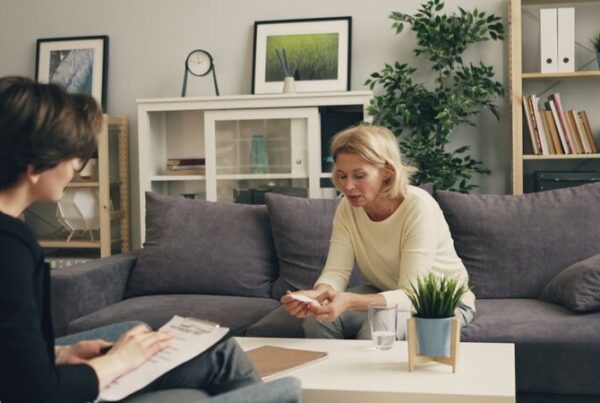
This is not a luxury — it is a necessity. Spouse carers who neglect their own health are at significantly higher risk of burnout, cardiovascular problems, and mental health difficulties. TILDA research has shown that carers who do not take regular breaks have measurably worse health outcomes than those who do.
Practical steps to prioritise your own wellbeing:
- Keep your own GP appointments — it is easy to cancel your check-up because your partner’s needs feel more urgent, but your health matters too
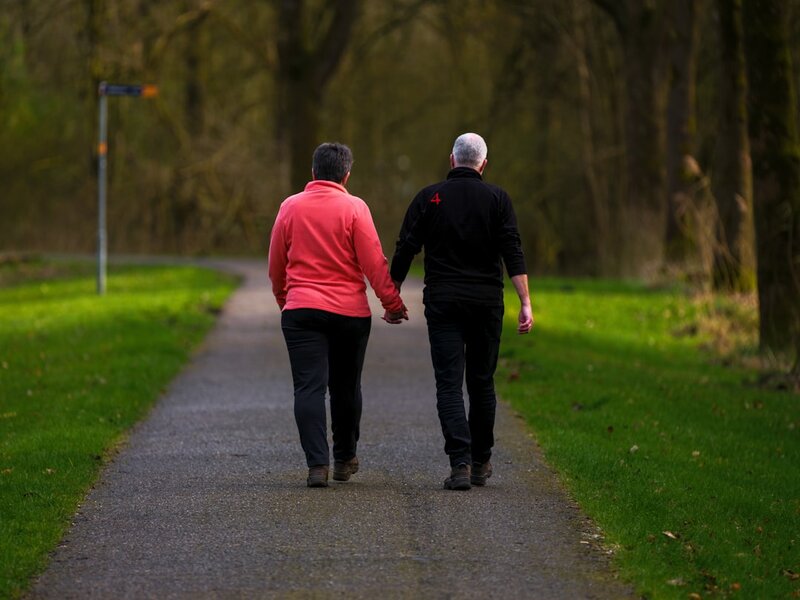
- Stay physically active — even a short daily walk can reduce stress and improve sleep
- Accept help — when someone offers, say yes. People genuinely want to support you
- Connect with peers — Family Carers Ireland runs local support groups where you can talk to others who truly understand. Their freephone Careline is 1800 24 07 24
- Use technology — ALONE’s support line (0818 222 024) offers check-in calls and can connect you with befriending services if isolation is a concern
Where Críonna Health Fits In
At Críonna Health, we believe that caring for someone you love should not mean losing yourself in the process. Our resources on healthy ageing, mental wellbeing, and Irish supports are here to help both carers and the people they care for. Whether you are looking for guidance on managing a specific condition, understanding your entitlements, or simply need reassurance that what you are feeling is normal — you are not alone.
Key Organisations for Spouse Carers in Ireland
- Family Carers Ireland — familycarers.ie | Careline: 1800 24 07 24
- Care Alliance Ireland — carealliance.ie (research, policy, and carer advocacy)
- ALONE — alone.ie | Support line: 0818 222 024
- The Alzheimer Society of Ireland — alzheimer.ie | Helpline: 1800 341 341 (for dementia-specific caring)
- Sage Advocacy — sageadvocacy.ie (independent advocacy for vulnerable adults)
- Relationships Ireland — relationshipsireland.com (couples counselling)
If you are caring for your spouse or partner, know this: what you are doing matters enormously. But so do you.
📷 Photo by Haberdoedas on Unsplash