There is a moment, often somewhere in our late forties or fifties, when we look around and realise our social circle has quietly shrunk. Children have grown, colleagues have moved on, and the friendships that once sustained us through busy years may have thinned without anyone noticing. It is a common experience — and one that matters far more for our health than many of us realise.
TL;DR
- Strong friendships after 50 are linked to better heart health, sharper cognition, and longer life — the evidence is as strong as quitting smoking
- TILDA research shows that over one-third of older adults in Ireland report feeling lonely, with rural isolation a particular concern
- Friendships naturally thin in midlife due to retirement, relocation, and bereavement — but new connections can be built at any age
- Practical steps include joining community groups (Men’s Sheds, Active Retirement Ireland, ICA), volunteering, and embracing social prescribing through your GP
- Quality matters more than quantity — even two or three close, reciprocal friendships can make a significant difference to health and wellbeing
The Science of Friendship and Health
Research consistently shows that strong social connections are not a luxury — they are a biological necessity. A landmark meta-analysis published in PLOS Medicine found that the health impact of social relationships is comparable to well-known risk factors such as smoking, physical inactivity, and obesity. People with strong social ties have a 50% greater likelihood of survival compared to those with weaker connections.
For adults over 50, the benefits are particularly striking. Friendships help regulate the stress hormone cortisol, reduce chronic inflammation, and support cardiovascular health. A 2023 study in the Journal of the American Geriatrics Society found that older adults with active social networks had a 26% lower risk of cognitive decline over a ten-year period.
In Ireland, The Irish Longitudinal Study on Ageing (TILDA) has documented the powerful link between social participation and health outcomes. TILDA data shows that older adults who are socially engaged report better self-rated health, lower rates of depression, and greater levels of physical activity. Conversely, those who are socially isolated are more likely to experience chronic illness, cognitive decline, and premature mortality.
Why Friendships Thin in Midlife
Understanding why friendships fade can help us address the gap. Several life transitions converge in our forties, fifties, and sixties:
- Retirement removes the daily social structure of work. Colleagues who felt like friends may drift away once you no longer share a canteen or a commute.
- Relocation — whether downsizing, moving closer to family, or returning to Ireland after years abroad — disrupts established social networks.
- Bereavement becomes more common. Losing a partner, sibling, or close friend leaves gaps that can feel impossible to fill.
- Caring responsibilities for a partner, parent, or grandchild can consume time and energy that once went towards socialising.
- Health changes — reduced mobility, hearing loss, or chronic fatigue — can make getting out and about more difficult.
None of these transitions are anyone’s fault, and recognising them is the first step towards rebuilding.
Quality Over Quantity
The good news is that you do not need a large social circle to reap the health benefits. Research from the University of Oxford suggests that most people can only maintain around five close friendships at any one time. What matters is the quality of those connections — friendships that are reciprocal, trusting, and emotionally supportive.
A good friendship after 50 might look different from friendships earlier in life. It might be slower to develop, built around shared activities rather than shared circumstances. It might involve more vulnerability — talking honestly about health worries, financial concerns, or the loss of a spouse. These deeper conversations, research suggests, are precisely what makes later-life friendships so protective.
Practical Ways to Build and Maintain Friendships in Ireland
If your social circle has thinned, there are practical, low-pressure ways to rebuild it. Ireland has a particularly strong network of community organisations that make connecting easier:
Join a Community Group
- Men’s Sheds — over 450 sheds across Ireland offering a space to work on projects, chat, and build friendships. No membership pressure, no agenda — just showing up.
- Active Retirement Ireland — local groups across every county offering activities from walking to book clubs to day trips.
- The ICA (Irish Countrywomen’s Association) — one of Ireland’s oldest organisations, with guilds offering crafts, cookery, social outings, and a warm welcome.
- parkrun Ireland — free, weekly 5km events in over 100 locations. Walking is absolutely welcome, and the post-run coffee is often the best part.
Volunteer
Volunteering is one of the most effective ways to form new friendships. It provides a shared purpose, regular contact, and a sense of contribution. Organisations like ALONE, the Irish Red Cross, and local Tidy Towns groups are always looking for help. TILDA research has shown that volunteering is associated with higher life satisfaction and better mental health among older adults in Ireland.
Try Social Prescribing
If you are finding it hard to take the first step, speak to your GP about social prescribing. This is a growing practice in Ireland where health professionals connect patients with community activities — from art classes to gardening groups to walking programmes. The HSE has been expanding social prescribing services, recognising that health is about more than medication.
Reconnect with Old Friends
Sometimes the easiest friendship to build is one you already had. A phone call, a text, or a message saying “I was thinking of you — fancy a cup of tea?” can reopen a connection that has simply gone quiet. Many people over 50 report that reaching out after a long silence felt awkward for about thirty seconds — and then felt wonderful.
Embrace Technology
Video calls, WhatsApp groups, and social media can supplement (though not replace) face-to-face contact. For those with mobility limitations or who live in rural areas, digital connections can be a lifeline. Many public libraries and community centres in Ireland offer free digital skills classes to help you get started.
When Loneliness Feels Overwhelming
If loneliness has become a persistent, painful part of your life, please know that support is available. Loneliness is not a personal failing — it is a public health concern that affects over a third of older adults in Ireland, according to TILDA.
- ALONE operates a national support and befriending service. Their freephone number is 0818 222 024.
- Seniorline (operated by Third Age Ireland) offers a free, confidential listening service for older adults: 1800 80 45 91.
- Your GP can assess whether loneliness is contributing to depression or anxiety and connect you with appropriate supports.
A Note on Men and Friendship
Research consistently shows that men are at greater risk of social isolation after 50, particularly following retirement or bereavement. Cultural expectations around stoicism and self-reliance can make it harder for men to seek out or maintain close friendships. Men’s Sheds have been transformative in this regard — creating spaces where friendships form naturally through shared activity, without the pressure of structured social events.
It Is Never Too Late
Perhaps the most encouraging finding from friendship research is this: it is never too late to form meaningful connections. Studies show that friendships formed in later life can be just as deep, satisfying, and health-protective as those formed in childhood. The key is taking that first step — showing up, being open, and giving it time.
At Críonna Health, we believe that ageing well is not just about managing conditions or taking the right supplements. It is about living a connected, purposeful life — and friendship is at the heart of that.
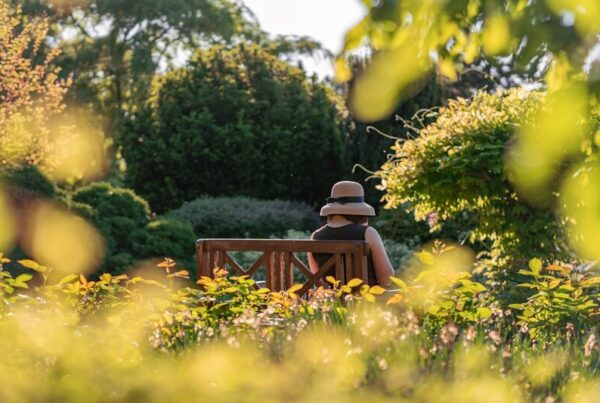
📷 Photo by Alicia Christin Gerald on Unsplash