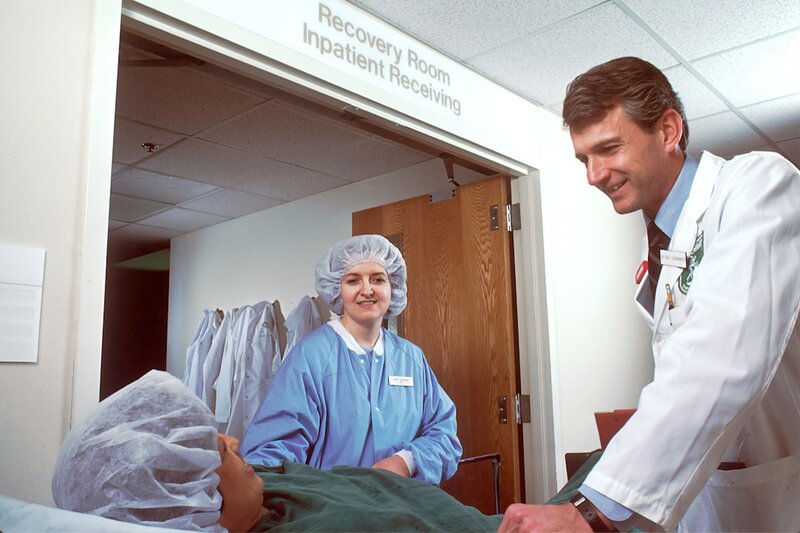
Whether it is a planned procedure or an unexpected admission, spending time in hospital can feel daunting — particularly as we get older. The good news is that a little preparation goes a long way. Knowing what to expect, what to bring, and what questions to ask can make the experience far less stressful for both you and your family.
In Ireland, adults over 65 account for a significant proportion of hospital admissions each year. Yet many people arrive at hospital unsure of their rights, unprepared for the practicalities, and anxious about what comes next. This guide is here to change that.
TL;DR
- Preparing a hospital bag in advance — with medications, documents, and comfort items — reduces stress significantly.
- Under the HSE Patient Charter, you have clear rights to information, dignity, privacy, and involvement in your care plan.
- An up-to-date medication list is one of the most important things you can bring to hospital.
- Discharge planning should start early — ask about supports, home care, and follow-up before you leave.
- Resources like Críonna Health, the HSE, and community organisations can help you prepare and recover well.
Before You Go: Getting Your Paperwork in Order
One of the most valuable things you can do before a hospital stay is gather your key documents. This saves time, prevents misunderstandings, and ensures the medical team has everything they need from day one.
Essential documents to have ready:
- Your PPS number and medical card or GP visit card (if you have one)
- A current list of all medications — including doses, frequency, and the prescribing doctor. Ask your pharmacist to print one if you are unsure
- Details of any allergies (medications, foods, latex)
- Your Advance Healthcare Directive, if you have one — this ensures your wishes are respected if you cannot communicate them yourself
- Your private health insurance details, if applicable
- Contact details for your next of kin and your GP
If you have completed an Advance Healthcare Directive under the Assisted Decision-Making (Capacity) Act 2015, bring a copy with you and let the admissions team know. The Decision Support Service (DSS) maintains a register, but having your own copy ensures there are no delays.
What to Pack: Your Hospital Bag Checklist
Packing a bag in advance — even if your admission is weeks away — takes the pressure off. Keep it somewhere accessible so a family member can grab it in an emergency.
Comfort and clothing:
- Comfortable nightwear and a dressing gown
- Non-slip slippers or shoes with good grip (important for falls prevention on hospital floors)
- A change of loose, comfortable clothes for the day
- Underwear for several days
Toiletries:
- Toothbrush, toothpaste, soap, shampoo
- Any skincare products you use daily
- Hearing aids, glasses, or dentures — and their cases (label everything with your name)
Entertainment and wellbeing:
- A book, magazine, crossword, or puzzle book
- A phone and charger (with a long cable — hospital sockets can be out of reach)
- Earphones for watching or listening without disturbing others
- A small notebook and pen to jot down questions for your medical team
What to leave at home: valuables, large amounts of cash, and jewellery. Hospitals cannot guarantee the security of personal items.
Know Your Rights: The HSE Patient Charter
Every person receiving care in an Irish public hospital is covered by the HSE Patient Charter, which sets out your rights clearly. Understanding these rights can help you feel more confident and in control during your stay.
Key rights include:
- Dignity and respect — you have the right to be treated with courtesy, regardless of age, background, or condition
- Information — your medical team must explain your diagnosis, treatment options, and any risks in language you understand
- Consent — no procedure should happen without your informed consent
- Privacy — your medical information is confidential
- Complaint — if something goes wrong, you can raise a formal complaint through the hospital’s Patient Advocacy service or through the HSE’s Your Service Your Say feedback mechanism
If you feel your concerns are not being heard, every public hospital has a Patient Advice and Liaison Service (PALS) or equivalent. Do not hesitate to use it — it exists precisely for this purpose.
During Your Stay: Making the Most of Your Time
Hospital stays can feel long and disorienting. A few simple habits can help you stay grounded:
- Keep a question notebook. Write down anything you want to ask during ward rounds. Doctors appreciate prepared questions — it helps them give you better answers.
- Ask about your care plan. You are entitled to know what tests are planned, what the expected timeline looks like, and what the goals of your treatment are.
- Stay as mobile as possible. Unless your medical team advises bed rest, gentle movement (even sitting up in a chair) helps prevent complications like blood clots and muscle deconditioning. Ask the physiotherapy team for guidance.
- Eat and drink well. Hospital food may not be glamorous, but good nutrition supports recovery. If you have dietary requirements, let the nursing staff know early.
- Accept visitors — but pace yourself. Social connection is important for wellbeing, but rest is too. It is perfectly fine to limit visiting hours if you need to recuperate.
Discharge Planning: The Part Most People Overlook
Discharge planning is arguably the most critical phase of a hospital stay, yet it is often rushed. Research from TILDA (The Irish Longitudinal Study on Ageing) highlights that older adults who have a clear discharge plan — with follow-up appointments, medication reviews, and home supports in place — have significantly better outcomes and lower readmission rates.
Before you leave, make sure you know:
- What medications you are going home with — and whether any have changed
- When your follow-up appointments are and with whom
- What warning signs to watch for that should prompt you to contact your GP or return to hospital
- Whether you need any home supports — such as home help, public health nursing, or physiotherapy through the HSE
- Whether a Home Support Package has been arranged, if needed
If you feel you are being discharged too soon, you have the right to say so. Speak to the ward nurse or the hospital’s discharge coordinator. In Ireland, the Nursing Homes Support Scheme (Fair Deal) and the HSE Home Support Service are available for those who need ongoing care — but applications can take time, so raise this early in your stay.
Recovery at Home: The First Few Weeks
Coming home after a hospital stay can be a relief, but it can also be a vulnerable time. Your body needs time to recover, and your routine may need to adjust temporarily.
- Follow medication instructions carefully. If anything is unclear, call your pharmacist — they are an excellent and accessible resource.
- Attend all follow-up appointments. These are not optional extras; they are part of your treatment.
- Do not rush back to normal. Give yourself permission to rest. Recovery is not linear.
- Lean on your supports. Whether it is family, neighbours, a local Active Retirement group, or an ALONE volunteer befriending service, accepting help is a sign of wisdom, not weakness.
If you are recovering alone, organisations like ALONE Ireland (Freephone 0818 222 024) offer a support line and can connect you with local services. Your local Citizens Information Centre can also advise on entitlements and supports.
Planning Ahead with Críonna Health
At Críonna Health, we believe that preparation is one of the most powerful tools for healthy ageing. Whether you are facing a planned procedure or simply want to be ready for whatever comes, having a plan in place gives you and your family peace of mind.
A hospital stay does not have to be a source of anxiety. With the right preparation, clear communication with your medical team, and a solid discharge plan, it can be a step on the road to better health — not just something to endure.
📷 Photo by National Cancer Institute on Unsplash