It’s one of those topics people rarely bring up over a cup of tea, yet bladder problems affect a remarkable number of us as we get older. If you’ve noticed changes — more frequent trips to the loo, a sudden urgency that catches you off guard, or the occasional leak when you laugh or sneeze — you’re far from alone. Research from the Irish Longitudinal Study on Ageing (TILDA) suggests that urinary incontinence affects around one in three women and one in six men over 50 in Ireland, yet many never seek help.
The good news? Most bladder issues are manageable, treatable, and certainly nothing to be embarrassed about. Here’s what you need to know.
TL;DR
- Bladder changes after 50 are extremely common — affecting up to one in three women and one in six men in Ireland — but most people never seek help
- Pelvic floor exercises (not just for women) are the single most effective first-line treatment and can reduce leakage by up to 70%
- Simple lifestyle adjustments — fluid timing, caffeine reduction, bladder retraining — make a real difference
- The HSE provides free continence assessments through your GP and public health nurse, and the Continence Foundation of Ireland offers a confidential helpline
- Talking to your GP is the first step — they’ve heard it all before, and effective treatments are available
Why Your Bladder Changes After 50
Like the rest of your body, your bladder and pelvic floor muscles change with age. The bladder wall becomes less elastic, meaning it may not hold quite as much as it once did. Pelvic floor muscles — the sling of muscles supporting your bladder, bowel, and (in women) the uterus — can weaken over time due to hormonal changes, childbirth, prostate issues, surgery, or simply the effects of gravity and ageing.
For women, the drop in oestrogen during and after menopause can thin the tissues of the urethra and bladder, making leakage more likely. For men, an enlarged prostate (benign prostatic hyperplasia) is the most common culprit, affecting around half of men over 50 and up to 80% of men over 70.
It’s worth noting that bladder changes aren’t an inevitable part of getting older — they’re a common part, but one that responds well to treatment.
Common Bladder Issues After 50
Stress incontinence — leaking when you cough, sneeze, laugh, or lift something heavy. This is the most common type in women and is directly related to pelvic floor weakness.
Urge incontinence — a sudden, intense need to urinate that’s difficult to delay. Sometimes called an “overactive bladder,” this affects both men and women and can be triggered by hearing running water, arriving home (the so-called “key-in-the-door” syndrome), or changes in temperature.
Nocturia — waking two or more times during the night to urinate. This disrupts sleep quality and can increase the risk of falls, particularly in darker months.
Hesitancy or weak stream — more common in men, often related to prostate changes. If you’re finding it hard to start or maintain a stream, it’s worth mentioning to your GP.
Pelvic Floor Exercises: Your Best First Step
If there’s one takeaway from this article, let it be this: pelvic floor exercises work. They’re not just for women after childbirth — men benefit enormously too, particularly after prostate treatment. Research consistently shows that regular pelvic floor training can reduce leakage episodes by up to 70%.
How to find your pelvic floor muscles: Imagine you’re trying to stop the flow of urine mid-stream, or trying to hold in wind. The muscles you squeeze are your pelvic floor. (Don’t actually practise while urinating — this is just to help you locate them.)
A simple daily routine:
- Squeeze and hold for 5–10 seconds, then relax for the same duration
- Repeat 10 times, three times a day
- Add quick “flick” squeezes (squeeze and release rapidly) to build fast-twitch muscle response
- You can do these sitting, standing, or lying down — nobody will know
It takes around 8–12 weeks of consistent practice to notice a real difference, so patience matters. If you’re not sure you’re doing them correctly, your GP can refer you to a specialist physiotherapist — the HSE provides this service in many areas.
Practical Lifestyle Changes That Help
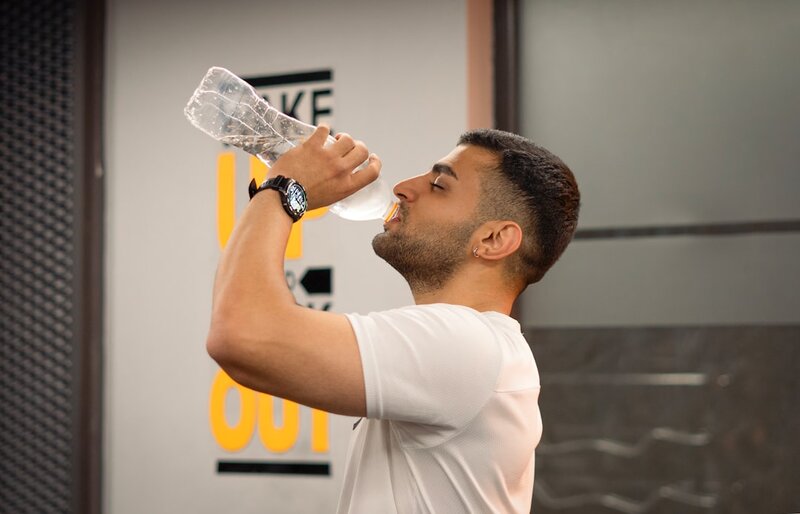
Watch your fluids wisely. Many people with bladder issues cut back on water, but dehydration actually irritates the bladder and concentrates urine, making things worse. Aim for 6–8 glasses of fluid daily, but shift more of your intake to earlier in the day if nocturia is an issue.
Reduce bladder irritants. Caffeine (tea, coffee, cola), alcohol, fizzy drinks, and artificial sweeteners can all stimulate the bladder. You don’t need to give up your morning cuppa entirely, but cutting back — especially after midday — can make a noticeable difference.
Try bladder retraining. If urgency is your main issue, gradually extending the time between toilet visits can help your bladder learn to hold more. Start by waiting an extra five minutes when you feel the urge, and slowly increase the interval over several weeks.
Maintain a healthy weight. Excess weight puts additional pressure on the pelvic floor. Even a modest weight reduction of 5–10% has been shown to improve symptoms significantly.
Stay active. Regular exercise strengthens supporting muscles and helps with weight management. Walking, swimming, yoga, and Pilates are particularly good choices. If high-impact activities like running cause leakage, a pelvic floor physiotherapist can help you modify your routine rather than give it up entirely.
When to See Your GP
Many people put up with bladder problems for years before mentioning them to a doctor — often out of embarrassment or a belief that it’s “just part of getting older.” It isn’t, and your GP has heard it all before.
See your GP if:
- Bladder issues are affecting your daily life, sleep, or confidence
- You notice blood in your urine
- You experience pain or burning when urinating
- You’re getting frequent urinary tract infections (UTIs)
- Symptoms have come on suddenly or worsened quickly
Your GP can carry out a simple assessment, rule out underlying causes (such as infection, diabetes, or medication side effects), and discuss treatment options ranging from physiotherapy and medication to specialist referral if needed.
Supports Available in Ireland
Ireland has a number of resources specifically for bladder health:
HSE Continence Services: Available through GP referral in most areas, offering assessment, treatment plans, and access to continence products where needed. Public health nurses can also provide advice and support, particularly for those receiving home care.
Continence Foundation of Ireland: A voluntary organisation offering information, support, and a confidential helpline. Their website provides excellent resources on pelvic floor exercises, product guidance, and local services.
Physiotherapy: Specialist pelvic floor physiotherapists are available through the HSE (via GP referral) and privately. The Irish Society of Chartered Physiotherapists maintains a directory to help you find a practitioner near you.
Medical card holders can access continence products (pads, appliances) through the HSE’s community schemes. Speak to your GP or public health nurse about what’s available.
At Críonna Health, we believe that topics like bladder health deserve open, honest conversation. Understanding your body’s changes and knowing where to find support is a key part of ageing well — and there’s absolutely no reason to manage in silence.
The Bottom Line
Bladder changes after 50 are common, but they’re not something you simply have to live with. Pelvic floor exercises, sensible lifestyle adjustments, and a conversation with your GP can make a transformative difference. The supports are there — in Ireland, through the HSE, your local physiotherapist, and organisations like the Continence Foundation of Ireland. The hardest part is often just starting that first conversation.
Your bladder health matters. Take that first step today.