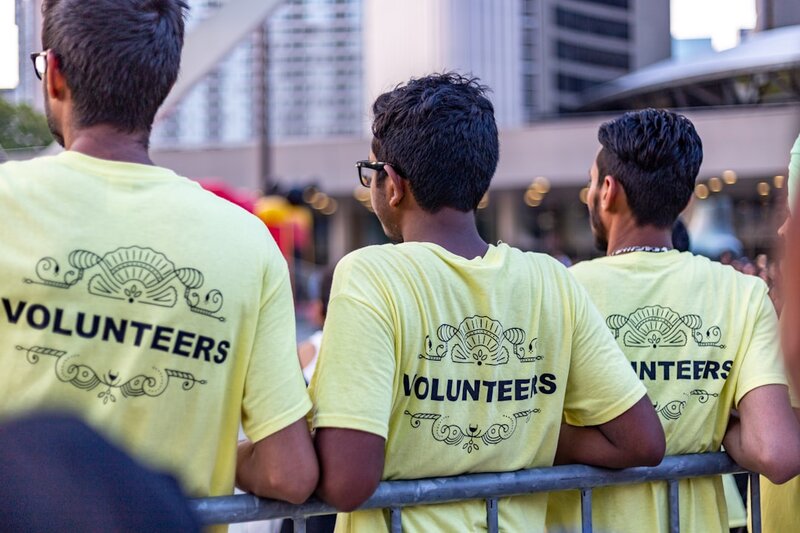
Ireland has a remarkable network of community organisations, local services, and grassroots initiatives dedicated to supporting people as they age. Yet many older adults and their families aren’t aware of what’s available on their doorstep. From befriending services to practical home supports, community transport to social groups, the landscape of local supports is rich but sometimes hard to navigate.
This guide maps out the key community supports available across Ireland, with practical information on how to access them.
TL;DR
- ALONE, Age Action, and Active Retirement Ireland are three national organisations with local branches offering practical, social, and advocacy support
- Family Resource Centres and Community Development Projects exist in nearly every county, providing free local services
- Transport can be accessed through Local Link (rural bus services), community car schemes, and the Free Travel Pass
- Meals on Wheels operates in most areas through local community and voluntary groups
- Your local Citizens Information Centre is the best starting point for finding out what’s available in your area
National Organisations with Local Reach
ALONE
ALONE is one of Ireland’s most important supports for older adults living at home. Originally focused on housing, the organisation now provides a wide range of services including:
- Befriending visits and phone calls for people experiencing loneliness or isolation
- Support coordination, where a dedicated worker helps you navigate housing, health, and social services
- Technology support, including tablet lending and digital literacy training
- Housing and maintenance advice
ALONE operates nationwide, and you can self-refer or be referred by a family member, GP, or public health nurse. Their national support line is 0818 222 024, available Monday to Friday.
Age Action
Age Action focuses on advocacy and practical support, campaigning against ageism while running direct services. Their key offerings include:
- Getting Started computer training, run by volunteers in libraries, community centres, and care settings across Ireland
- Information service for queries about entitlements, services, and rights
- Care and Repair (in some areas), providing small home repairs and maintenance for older homeowners
Age Action also runs a useful information line on 01 475 6989 and publishes practical guides on topics from pension entitlements to housing options.
Active Retirement Ireland
With over 500 local groups and 25,000 members, Active Retirement Ireland is one of the largest voluntary organisations in the country. Groups organise:
- Social outings and day trips
- Exercise classes (walking groups, gentle movement, bowls)
- Arts, crafts, and creative activities
- Guest speakers and educational events
Membership is typically modest (often around €20-30 per year), and groups exist in towns and villages across all 26 counties. It’s an excellent way to stay socially connected, particularly after retirement.
Local and Regional Services
Family Resource Centres (FRCs)
Ireland’s 121 Family Resource Centres are community-based centres that provide a range of free services. While they serve all age groups, many run specific programmes for older adults, including:
- Social groups and coffee mornings
- Exercise and wellness programmes
- Information and advocacy
- Intergenerational projects
FRCs are funded by Tusla and operate in both urban and rural communities. To find your nearest one, check familyresource.ie.
Community Development Projects
Many local community development projects run supports specifically designed for older adults. These vary by area but can include befriending services, activity groups, information sessions, and help with form-filling and applications for entitlements. Your local Citizens Information Centre can direct you to what’s available in your area.
Meals on Wheels
Meals on Wheels services operate in most parts of Ireland, typically run by local community and voluntary organisations with HSE support. The service delivers nutritious meals to your home, usually several days per week. Beyond nutrition, the regular visit from a volunteer also provides a valuable social check-in.
Costs vary by area but are generally very affordable (often €3-5 per meal). Contact your local HSE Community Care office or Citizens Information Centre to find the service nearest you.
Getting Around
Transport can be one of the biggest barriers to accessing community supports, particularly in rural Ireland. Several options can help:
- Free Travel Pass — available to everyone over 66, providing free travel on public transport nationwide
- Local Link — the rural transport programme operated by the National Transport Authority, running scheduled and demand-responsive routes in areas not served by commercial bus services
- Community car schemes — some areas have volunteer driver programmes that bring people to medical appointments, social events, and shops
- Disabled Drivers and Passengers Scheme — tax relief on vehicle purchase and adaptation for those with qualifying conditions
Health and Wellbeing in the Community
Beyond the hospital and GP surgery, there’s a growing network of community-based health supports:
- Men’s Sheds — over 450 across Ireland, providing a space for men to connect, learn skills, and support each other’s wellbeing
- Parkrun — free weekly 5km walks/runs in parks across Ireland, welcoming all paces and abilities
- Local Sports Partnerships (LSPs) — every county has one, and many run specific programmes for older adults such as Go for Life and Active Ageing
- HSE Living Well programme — a free six-week self-management programme for people living with chronic conditions
Finding What’s Available Near You
The challenge with community supports is that they vary significantly by area. What’s available in Cork city may not exist in rural Donegal, and vice versa. Here are the best starting points:
- Citizens Information — your local centre (or citizensinformation.ie) is the single best resource for finding out what services exist in your area. Staff are trained to help you navigate the full range of supports available.
- Your GP or public health nurse — health professionals often know about local community services and can make referrals.
- Your local library — libraries increasingly act as community hubs, hosting events and maintaining noticeboards with local services information.
- Local Authority — many county councils have Age Friendly coordinators who can point you to relevant services and programmes.
Making the First Step
Reaching out for support can feel daunting, particularly for people who have always been independent. It’s worth remembering that these services exist precisely because communities recognise that everyone benefits from connection and support. Using them isn’t a sign of weakness. It’s a smart way to stay well, stay connected, and stay living comfortably in your own home for longer.
If you’re not sure where to start, pick up the phone and call your local Citizens Information Centre, or ring ALONE on 0818 222 024. One conversation can open the door to a whole network of supports you didn’t know existed.
At Críonna Health, we believe that ageing well is a community endeavour. No one should have to navigate it alone.
📷 Photo by Rashpal Singh on Unsplash