Hearing loss is one of the most common health changes that comes with getting older, yet it remains one of the least talked about. Many people put off getting their hearing checked for years, sometimes decades, often because the changes happen so gradually they barely notice. But untreated hearing loss affects far more than your ability to follow a conversation. It’s linked to social isolation, cognitive decline, and reduced quality of life.
The good news? With the right awareness and support, hearing health is very manageable. And in Ireland, there are more resources available than many people realise.
TL;DR
- Age-related hearing loss affects roughly one in three people over 65 in Ireland, but changes often begin in your 50s
- Untreated hearing loss is linked to cognitive decline, social isolation, and increased risk of falls
- The HSE provides free hearing assessments and hearing aids for medical card holders
- Early detection makes a significant difference — don’t wait until it becomes a problem
- Simple lifestyle adjustments and modern hearing aids can dramatically improve quality of life
How Common Is Hearing Loss in Ireland?
According to the Irish Longitudinal Study on Ageing (TILDA), approximately one in three adults over 65 experiences some degree of hearing loss. But age-related hearing loss, known medically as presbycusis, doesn’t suddenly appear at retirement. Changes typically begin in your 50s, often affecting higher-pitched sounds first. You might notice you’re turning the television up a bit louder, asking people to repeat themselves more often, or finding it harder to follow conversations in noisy environments like restaurants or family gatherings.
These early signs are easy to dismiss. Many people assume it’s just background noise, or that others are mumbling. But recognising these changes early gives you far more options for managing them well.
Why It Matters More Than You Think
Hearing loss might seem like a minor inconvenience, but research consistently shows its effects ripple through many areas of health and wellbeing.
Cognitive health. A landmark study from Johns Hopkins University found that even mild hearing loss doubles the risk of cognitive decline. The brain works harder to process unclear sounds, leaving fewer resources for memory and thinking. Treating hearing loss early may be one of the most effective things you can do to protect your cognitive health, something we’ve explored in our guide to keeping your mind sharp.
Social connection. When conversations become difficult, it’s natural to withdraw. People with untreated hearing loss are significantly more likely to experience loneliness and social isolation, which in turn affects both mental and physical health. Our piece on combating loneliness in later life explores this connection further.
Balance and falls. Your inner ear plays a crucial role in balance. Age-related changes to hearing can also affect your vestibular system, increasing the risk of falls. Studies suggest that even mild hearing loss triples the risk of falling.
Mental wellbeing. Frustration, embarrassment, and the effort of constantly straining to hear can contribute to anxiety and low mood. Addressing hearing loss often brings an immediate improvement in overall wellbeing.
Getting Your Hearing Checked in Ireland
If you suspect your hearing has changed, the first step is getting a proper assessment. In Ireland, there are several pathways depending on your circumstances.
Through the HSE
Medical card holders are entitled to a free hearing assessment through the HSE’s Audiology Service. Your GP can refer you, and the service includes a full audiological assessment, hearing aids if needed (provided free of charge), and follow-up appointments for fitting and adjustment.
Waiting times can vary by region, so it’s worth getting the referral process started sooner rather than later. The HSE also provides a hearing aid repair and battery replacement service for those already using aids.
Private Audiology
If you don’t have a medical card or prefer not to wait, private audiologists are available nationwide. Many offer free initial hearing screenings, with a full diagnostic assessment typically costing between €50 and €100. Private hearing aids range widely in price, from around €800 to €3,000 per ear depending on the technology level.
If you have private health insurance, check your policy. Many plans now include audiology benefits, sometimes covering part or all of the cost of hearing aids.
The Treatment Benefit Scheme
If you have enough PRSI contributions, you may qualify for the Department of Social Protection’s Treatment Benefit Scheme, which covers a free hearing test every year and a contribution toward hearing aids (currently up to €500 per aid every four years). This applies to employees, self-employed people, and retired people who made sufficient PRSI contributions during their working life.
Modern Hearing Aids: Not What You Remember
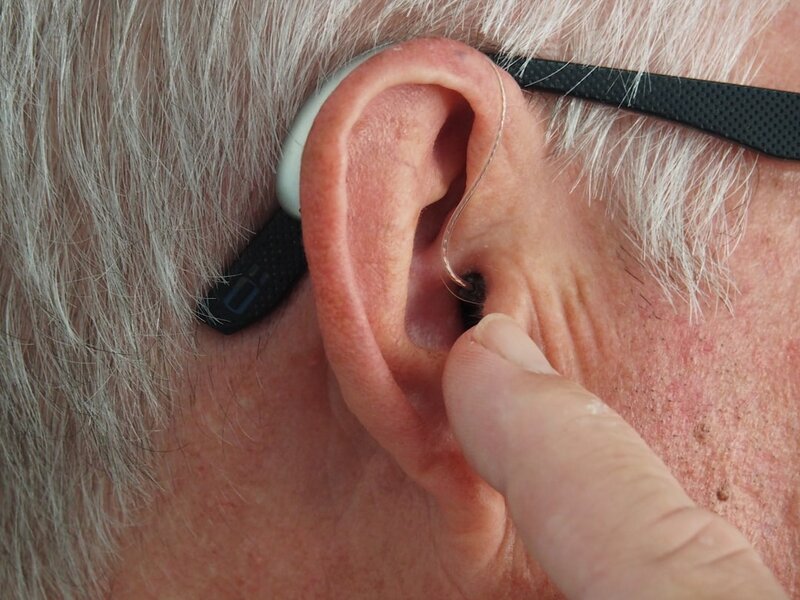
Many people resist hearing aids because of outdated perceptions. Today’s devices bear little resemblance to the bulky, whistling aids of previous generations. Modern hearing aids are small, discreet, and remarkably sophisticated. Many are virtually invisible when worn, and most connect wirelessly to smartphones, televisions, and other devices.
Features you might not expect include:
- Automatic environment detection that adjusts settings for quiet rooms, busy restaurants, or outdoor environments
- Bluetooth streaming for phone calls, music, and television audio directly into your ears
- Rechargeable batteries that last a full day on a single charge
- Companion apps that let you fine-tune settings from your phone
The adjustment period is real. It typically takes a few weeks for your brain to readjust to hearing sounds it’s been missing. But most people report a significant improvement in their quality of life within the first month.
Everyday Tips for Protecting Your Hearing
Whether or not you currently have hearing loss, there are practical steps to protect and support your hearing health:
Reduce noise exposure. Prolonged exposure to loud environments damages hearing at any age. Use ear protection for noisy activities like mowing the lawn, attending concerts, or using power tools.
Keep your ears dry. Moisture in the ear canal can lead to infections that may affect hearing. Dry your ears gently after swimming or showering.
Stay physically active. Good cardiovascular health supports blood flow to the inner ear. Regular exercise, even walking, benefits your hearing as well as your overall health.
Review your medications. Some medications are ototoxic, meaning they can affect hearing. If you’re on multiple medications, ask your GP or pharmacist whether any might be contributing to hearing changes.
Get regular check-ups. If you’re over 50, consider adding a hearing assessment to your regular health checks, even if you haven’t noticed any changes. Early detection makes management far easier.
Supporting Someone With Hearing Loss
If someone in your life is experiencing hearing loss, small adjustments can make a big difference. Face the person when speaking so they can see your lips and facial expressions. Reduce background noise where possible. Speak clearly at a normal pace rather than shouting, which actually distorts sound. And be patient. Hearing loss is tiring, and the person is often working much harder than you realise to follow the conversation.
Taking the First Step
Hearing health is one of those things that’s easy to put on the long finger. But the earlier you address changes, the better the outcomes. Whether it’s booking a hearing test, exploring what supports are available through the HSE or PRSI, or simply being more mindful of noise exposure, every step counts.
At Críonna Health, we believe that healthy ageing is about the whole picture, and hearing is a vital part of staying connected, engaged, and well as you get older.
📷 Photo by Mark Paton on Unsplash