Burn prevention messaging in Ireland is aimed almost entirely at small children: keep the kettle flex short, turn the pan handles in, test the bath with your elbow. Good advice, and all of it framed as something you do for someone else. What rarely gets said is that there is a second peak later in life, and those injuries tend to be deeper, slower to heal and far more likely to end in a hospital stay.
This is not about being careless. It is about a set of quiet physical changes that turn a spilled cup of tea from a bad moment into a wound that takes weeks.
TL;DR
- Skin thins with age, so the same hot liquid at the same temperature causes a deeper burn in less contact time.
- Scalds are the commonest cause of admission to Ireland’s National Burns Unit at St James’s Hospital, and hot bath water accounts for a striking share of injuries among people in residential care.
- Hot water bottles and electric blankets drive a predictable autumn spike in burns, particularly where sensation is reduced by diabetes or poor circulation.
- First aid is 20 minutes of cool running water. Not ice, not butter, not creams, and keep the rest of the body warm while you do it.
- Any burn bigger than the palm of your hand, or on the face, hands, feet or over a joint, should be looked at. So should any burn that does not hurt.
Why the same spill does more damage
Skin changes in ways that matter here. The outer layer thins, the collagen and fat underneath reduce, and the whole structure becomes a less effective heat barrier. Burn depth is a product of temperature and time, so when the barrier is thinner, the clock runs faster. Water that would take several seconds to injure younger skin can do the same damage in a fraction of that.
Then there is whether you notice at all. Peripheral neuropathy from type 2 diabetes, reduced circulation in the hands and feet, and ordinary age-related changes in temperature perception all mean the warning arrives late or not at all. Add a slower withdrawal reflex, less grip strength on a full kettle, and medications that cause drowsiness (sleeping tablets, some painkillers), and the picture is less about risk-taking than about margins narrowing. Dozing off against a radiator is how a good many contact burns on the shin and lower back actually happen.
Where these injuries really occur
Not, for the most part, in dramatic house fires. A published profile of admissions to the National Burns Unit at St James’s Hospital in Dublin, the national referral centre for everyone over 14, found scalds to be the commonest single cause, ahead of flame burns. The same work noted that people over 60 tend to sustain smaller burns but carry a higher risk from them, and that almost half of patients admitted from residential settings had been injured in hot baths.
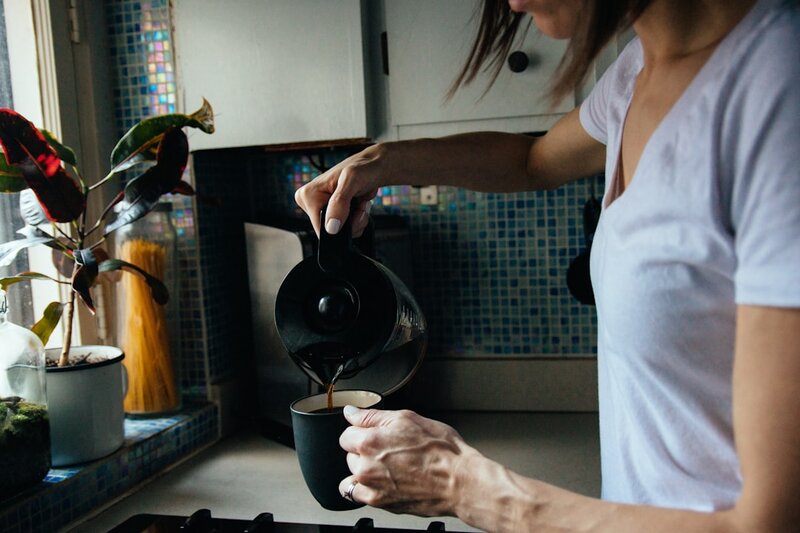
The everyday list is short and repetitive: tea and coffee, the kettle and the teapot, bath and shower water, hot water bottles, and contact with radiators, open fires and heaters.
The hot water bottle question
Hot water bottles combine three risks at once: prolonged contact, direct skin placement, and use by people who may not feel the heat building. Burns units across these islands report a reliable seasonal pattern of these injuries from October onwards.
- Check the age. A small flower symbol, the daisy wheel, is moulded into the neck; the number in the centre is the year of manufacture. Rubber perishes, so replace a bottle every two to three years, sooner if the neck feels tacky or the ribbing looks cracked.
- Do not fill it with boiling water. Let the kettle stand a minute or two, fill to roughly two thirds, and expel the air before closing it.
- Always use a cover, and never lie or sit directly on a filled bottle.
- Warm the bed, then take it out rather than sleeping against it all night.
Electric blankets follow the same logic. Have older models checked or replaced, never use one at the same time as a hot water bottle, and watch for scorch marks, exposed elements or fraying flex.
Getting the water temperature right
There is a genuine tension in your hot water system. It needs to be stored at around 60°C to keep Legionella from multiplying, but water delivered at that temperature will scald in seconds. The answer is not to turn the cylinder down: it is a thermostatic mixing valve at the bath or shower, which blends hot and cold to a fixed safe output. The common design standard caps bath water at 48°C.
A plumber can fit one in an afternoon. If cost is the obstacle, the Housing Adaptation Grant and the Mobility Aids Grant, both run by your local authority, cover bathroom modifications. In the meantime, run the cold tap first and test with your elbow, which reads temperature far more reliably than a hand with reduced sensation.
First aid, and the bits people get wrong
HSE guidance is refreshingly specific, and the most important step is the one people cut short.
- Cool the burn under cool running water for 20 minutes. Not thirty seconds. It is still worth doing up to three hours after the injury.
- Remove jewellery and clothing near the area before it swells, unless the material is stuck to the skin, in which case leave it alone.
- Keep the rest of the person warm with layers or a blanket while cooling, avoiding the injured area. Twenty minutes of cold water is enough to drop core temperature, and hypothermia is a real risk in later life.
- Cover loosely with cling film laid in strips, never wrapped tightly around a limb. A clean plastic bag works for a hand.
What not to do: no ice or iced water, which deepens the injury; no butter, toothpaste, egg white or ointments; and do not burst blisters.
When to get it looked at
Have a burn assessed if it is larger than the palm of the affected person’s hand, if it involves the face, hands, feet, genitals or skin over a joint, or if it looks white, brown or leathery. Pay particular attention to a burn that does not hurt: that usually means nerve endings have been destroyed, not that the injury is mild. All chemical and electrical burns need review, as does any burn in someone with diabetes or on blood thinners, and any burn still unhealed at two weeks.
HSE Injury Units around the country handle minor burns and scalds without an emergency department wait, and your GP can manage smaller injuries and refer on. More significant burns go to the National Burns Unit at St James’s.
Small changes that carry their weight
A one-cup kettle, or a flask filled once in the morning, removes the need to lift a full one. A tea trolley moves hot drinks without a balancing act. Cooking on the back rings, turning pan handles inwards and avoiding loose sleeves at the cooker all cost nothing. Many local fire services offer a free home fire safety visit, and the Seniors Alert Scheme provides a personal alarm through registered community groups, which matters if you live alone.
None of this requires living cautiously. It requires acknowledging that the margins have narrowed a little, and adjusting the kitchen accordingly. At Críonna Health we keep coming back to the same theme: the changes that protect independence in later life are usually small, cheap and unglamorous. This is a textbook example.
This article is for general information and is not a substitute for medical advice. If you are concerned about a burn, contact your GP or nearest HSE Injury Unit.
📷 Photo by Kelly Sikkema on Unsplash