Most knocks to the head are nothing. You straighten up under an open press door, or misjudge a kerb outside the shop, then rub the spot and get on with the day. That instinct is right most of the time. But after 50 the odds shift, and keep shifting with each decade, particularly if you take medication that thins your blood. This is not a reason to fear your own front step. It is a reason to know which signs matter and where to go.
TL;DR
- The ageing brain sits with more space around it inside the skull, stretching the small bridging veins on its surface, so a minor bump can cause bleeding a younger head would shrug off.
- If you take an anticoagulant or antiplatelet (warfarin, apixaban, rivaroxaban, edoxaban, dabigatran, aspirin, clopidogrel) and hit your head, get assessed the same day, even if you feel fine.
- Ring 112 or 999 for loss of consciousness, repeated vomiting, a seizure, worsening headache, drowsiness, confusion, one-sided weakness, or slurred speech.
- Chronic subdural haematoma can appear weeks after a forgotten bump, is often mistaken for dementia, and is frequently very treatable once someone looks for it.
- Prevention is mostly falls prevention: medication reviews, an eye test, strength and balance work, and home hazards.
Why the ageing brain bruises differently
Brain volume reduces gradually with age. That is normal, not a disease, but it leaves more room between the brain’s surface and the inside of the skull. Running across that gap are the bridging veins, and as the space widens they come under more tension. A sudden head movement, even without a hard impact, can be enough to tear one. Because the bleeding is venous it is often slow, and may cause no symptoms on the day. Advice on head injury genuinely differs after a certain age, and not out of caution for its own sake.
The blood thinner question
If you remember nothing else, remember this part. Anticoagulants such as warfarin and the direct oral anticoagulants (apixaban, rivaroxaban, edoxaban, dabigatran) are prescribed to a great many people in their 60s, 70s and 80s, and antiplatelets such as aspirin and clopidogrel are equally common. They all do exactly what they are meant to do: make it harder for blood to clot. Inside the skull, that is a problem.
So if you take any of these and you bang your head, be assessed the same day. Not tomorrow. Even if you feel perfectly well, even if you did not black out, even if there is no mark to show anyone, because a slow bleed takes time to declare itself. Do not stop the medication on your own initiative: the clot risk it protects you from is real, and that decision belongs to the doctor assessing you. Keep your medicines list in your wallet so whoever sees you knows in seconds what you take.
Red flags: ring 112 or 999
Get emergency help for any of these after a head injury, at any point in the days that follow:
- Any loss of consciousness, however brief
- A seizure, or vomiting more than once
- A headache that keeps worsening rather than easing
- Unusual drowsiness, or difficulty waking the person
- Confusion or out-of-character behaviour
- Weakness, numbness or clumsiness, particularly on one side
- Slurred speech, or double vision
- Clear fluid leaking from the nose or ears
Alcohol produces some of the same signs. If drink is in the picture, lower your threshold rather than raising it.
The slow one: chronic subdural haematoma
A chronic subdural haematoma is blood collecting slowly between the brain and its outer membrane, typically over weeks to a couple of months. The trigger is often a minor injury the person has forgotten or never thought worth mentioning. Sometimes no injury is recalled at all.
The symptoms creep in: persistent headache, unsteadiness, confusion or slowed thinking, drowsiness, personality change, one-sided weakness, increasing falls. Read that list again and the difficulty is obvious. It looks like dementia. It looks like a small stroke. It looks, to a watching family, like a parent simply going downhill.
The distinguishing feature is usually timescale. Dementia is gradual over years; a chronic subdural haematoma develops over weeks, so someone who has changed noticeably in a month or two warrants a scan rather than a shrug. Once found, it is often treated by draining the blood through a small hole in the skull, and the improvement can be striking. So mention the bump, even if it was six weeks ago and seems unconnected. That one sentence frequently unlocks the diagnosis.
Where to go in Ireland
For any red flag above, ring 112 or 999, and do not drive yourself. Without red flags, an Emergency Department is still the right destination if you take a blood thinner, live alone, or are simply unsure. HSE Injury Units are excellent for sprains, minor fractures and wounds, but head injuries generally fall outside what they handle, so check that unit’s own list before travelling.
Outside surgery hours, the GP out-of-hours co-ops (Caredoc, ShannonDoc, D-Doc, NorthDoc, SouthDoc, WestDoc and others) can see you and refer you on. Your own GP is the right person for delayed worries: the headache that has not settled, the relative who has not been themselves since a fall last month. At hospital, assessment usually means neurological observations and often a CT scan, and being kept a few hours for observation is routine.
Recovery takes longer than people expect
Even with a clear scan, concussion is a real injury. Headache, fatigue, poor concentration, irritability and disturbed sleep are all normal afterwards, and most people settle over days to a few weeks, though recovery is slower after 50 than it was at 30. Rest for a couple of days, build back gradually, and avoid alcohol while symptoms last. Take your GP’s advice on when to drive again. For the longer-term effects of a significant brain injury, Acquired Brain Injury Ireland and Headway provide rehabilitation and family support.
Prevention is mostly a falls story
Very few head injuries after 50 happen dramatically. The great majority arrive via a fall, so preventing one prevents the other. The Irish Longitudinal Study on Ageing has consistently found that roughly one in five adults aged 50 and over reports a fall in the previous year, and the figure climbs with age.
The measures that work are unglamorous. Ask your pharmacist for a free medicines review, since sedatives, sleeping tablets and blood pressure medications that drop your pressure on standing are all linked to falls. Keep your eye test current: PRSI contributors get a free examination every second year under the Treatment Benefit Scheme. Join a strength and balance class through your Local Sports Partnership, Go for Life or Active Retirement Ireland, which is the most effective single intervention there is. And deal with the house, where an occupational therapist can assess hazards and the Housing Adaptation Grant and Mobility Aids Grant run through your local authority.
The conversation worth having
If you take a blood thinner, ask your GP or pharmacist what they want you to do if you bang your head. Getting that answer while you are calm and well beats working it out at nine on a Saturday night with a lump coming up over your eyebrow. And if someone you love has changed in the last month or two, ask whether they have had a fall or a knock. They may well say it was nothing. It is still worth telling the GP. At Críonna Health we cover the practical end of ageing well in Ireland: the systems, the entitlements, and the small things that matter when they are needed.
This article is for general information and is not a substitute for individual medical advice. If you are worried about a head injury, contact your GP, an out-of-hours service, or ring 112 or 999 in an emergency.
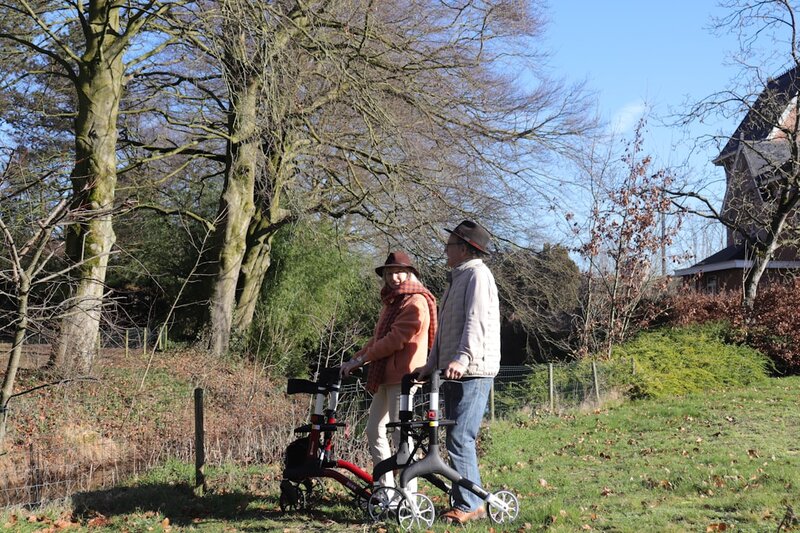
📷 Photo by Mobio Marketing on Unsplash