Swelling that will not go down is easy to dismiss. A heavy arm after breast cancer surgery, an ankle still puffy long after the holiday flight, a leg that feels tight in the evening and no better by morning. Many people put it down to age and quietly adjust their wardrobe around it. But persistent swelling in one limb is not something to accept as inevitable. It may be lymphoedema: a long-term condition that is very manageable when picked up early, and very stubborn when it is not.
TL;DR
- Lymphoedema is chronic swelling caused by a lymphatic system that cannot drain fluid properly. It is not ordinary fluid retention or venous swelling.
- The commonest cause in Ireland is cancer treatment involving lymph nodes, but infection, immobility and venous disease also trigger it.
- Early signs: heaviness in one limb, jewellery or clothing tightening on one side, swelling that involves the toes or fingers.
- Treatment is Decongestive Lymphatic Therapy: skin care, compression, movement and manual lymphatic drainage. No cure, but good control for decades.
- Cellulitis is the complication to watch. A hot, red, painful limb with fever needs same-day medical attention.
- The HSE has a national model of care for lymphoedema and lipoedema services; Lymphoedema Ireland offers peer support.
What lymphoedema actually is
Your lymphatic system is the quiet plumbing of the body, collecting protein-rich fluid that leaks into the tissues, filtering it through lymph nodes, and returning it to the bloodstream. It has no pump of its own, relying instead on the squeeze of your muscles and the movement of your diaphragm. When it is damaged or overwhelmed, fluid backs up. Unlike the puffiness that follows a salty meal or a long flight, it does not resolve overnight with your feet up, and over time the trapped protein triggers inflammation that leaves the tissue firmer and more fibrous. This is why early treatment matters so much: soft, early swelling responds far better than tissue that has been hardening for years.
Where it comes from
Primary lymphoedema stems from a lymphatic system that never developed properly. A form called lymphoedema tarda can appear for the first time well into adulthood, often triggered by an injury, an infection, or a spell of immobility.
Secondary lymphoedema is far more common, and in Ireland the leading cause is cancer treatment. Removing lymph nodes, or radiotherapy to the armpit, groin or pelvis, permanently reduces drainage in that limb. Breast cancer treatment is the best-known cause of arm swelling; gynaecological, prostate, bladder and melanoma treatment can affect the legs. It often begins months or years after treatment ends, which is why so many people never connect the two. Repeated cellulitis, venous insufficiency, excess weight and prolonged immobility all contribute too.
Is it lymphoedema, or something else?
Not all swelling is lymphoedema, and the distinction changes the treatment entirely. A few pointers your GP will consider:
- Which limbs? Lymphoedema is usually asymmetric. Both legs swelling, worse in the evening, points more towards venous disease, heart failure, kidney problems or a medication side effect.
- Does it pit? Press a thumb in for ten seconds. Early lymphoedema pits; established lymphoedema often does not, because the tissue has firmed up.
- The toes and fingers. Lymphoedema typically involves the digits, giving toes a squared, sausage-like look. Venous swelling usually spares them.
- Stemmer’s sign. Try to pinch and lift a fold of skin at the base of the second toe. If you cannot, that points towards lymphoedema.
- Lipoedema. A different condition, affecting women almost exclusively, where fat accumulates symmetrically in the legs and sometimes arms, characteristically sparing the feet. Often tender to touch, and frequently misdiagnosed for years.
Any new, persistent swelling deserves a GP appointment. Sudden swelling in one leg needs urgent assessment to rule out a blood clot.
The four cornerstones of treatment
The standard approach is Decongestive Lymphatic Therapy, and its four elements work together. None does much alone.
Skin care. Swollen tissue is more prone to infection and less able to fight it. Wash and dry thoroughly, especially between the toes, and moisturise daily with a plain, unperfumed emollient. Treat athlete’s foot promptly, wear gloves for gardening, and where practical ask that bloods and blood pressure be taken from the unaffected arm.
Compression. The backbone of long-term control. Garments must be measured by a trained fitter rather than bought off a shelf, and replaced roughly every four to six months as the elastic tires. Multi-layer bandaging is sometimes used first to reduce the limb before a garment is fitted.
Movement. Exercise is treatment, not a risk. Walking, swimming, cycling, tai chi and gentle resistance work all drive lymph flow. The old advice to avoid using an affected arm has been overturned by research, and progressive strength training is now considered safe and beneficial.
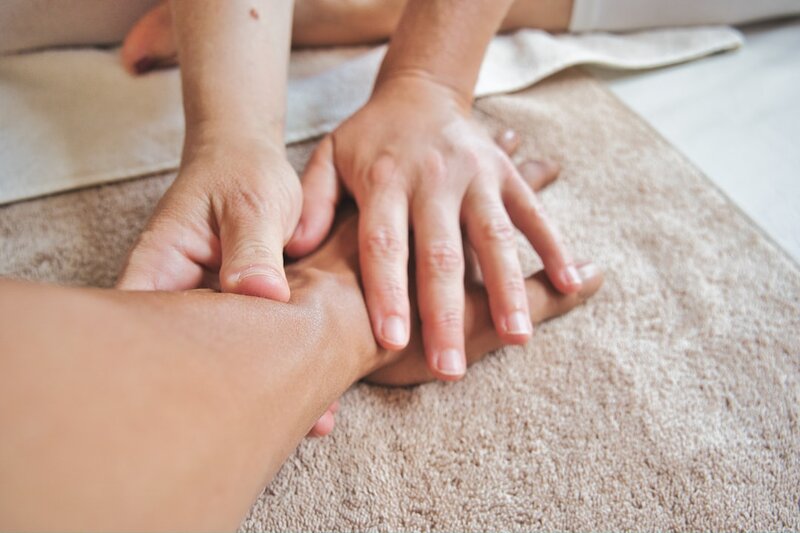
Manual lymphatic drainage. MLD is a very light technique that redirects fluid towards working lymph nodes. It bears no resemblance to a deep tissue massage and needs a therapist with recognised lymphoedema training. Most will teach you a simplified self-massage routine for home.
Cellulitis: the complication to take seriously
People with lymphoedema are considerably more prone to cellulitis, a bacterial skin infection. It comes on fast: the limb turns hot, red, tender and increasingly swollen, often with shivering or fever. That needs antibiotics without delay, so ring your GP or an out-of-hours service the same day rather than waiting to see how it looks in the morning. Each episode damages the lymphatics further, so preventing infection is not fussiness, it is protecting the limb’s long-term function.
Getting help in Ireland
Services have historically been patchy, but the picture is improving. The HSE has published a national model of care for lymphoedema and lipoedema services, setting out how assessment and treatment should be structured and pushing towards earlier identification and better access to compression garments.
Start with your GP, who can refer you on. If your swelling followed cancer treatment, your oncology team or local cancer support centre is often the fastest route, and many community cancer support centres run lymphoedema clinics, MLD and exercise programmes free of charge. The Irish Cancer Society’s Support Line (1800 200 700) can point you to services near you, and Lymphoedema Ireland provides information and peer support, including for people whose swelling has nothing to do with cancer.
On costs: garment provision varies by area, so ask your public health nurse or therapist what is available locally and whether a medical card covers it in your region. Unreimbursed medical expenses can also be claimed for tax relief at the standard rate through Revenue’s health expenses relief.
Living well with it
Lymphoedema is a long-term condition, not a progressive decline. Most people who manage it consistently keep the limb stable and comfortable for life, and carry on walking, swimming, gardening, travelling and working. Those who struggle are usually the ones diagnosed late, or who let the routine slip because the swelling seemed under control. There is an emotional side too, particularly where the swelling is a daily reminder of cancer treatment. If that is weighing on you, say so to your GP or support centre, because counselling is often available and often free.
At Críonna Health we come back to the same principle again and again: the conditions that respond best are the ones caught early, by people who noticed something had changed and asked rather than waited. A ring that no longer fits, a sock leaving a deeper mark on one leg, a sleeve that pulls on one arm. Small things, worth mentioning.
This article is for general information and is not a substitute for individual medical advice. If you are concerned about swelling, please speak to your GP.
📷 Photo by THLT LCX on Unsplash