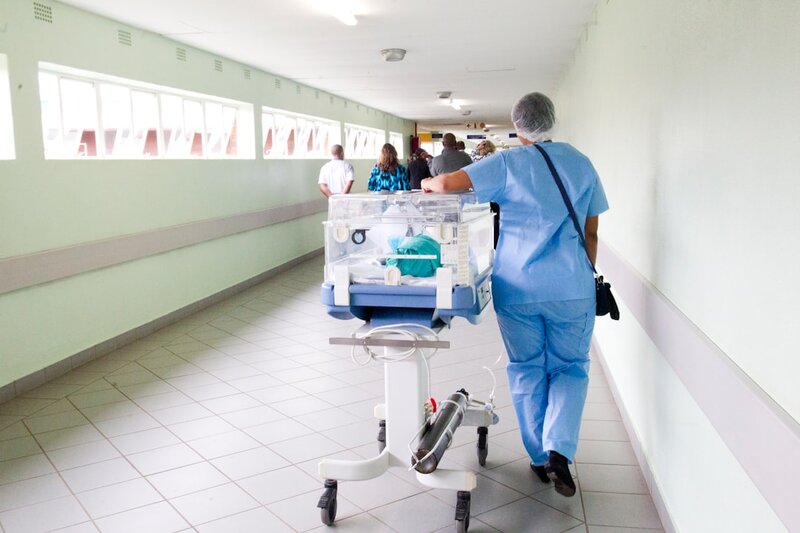
A visit to the emergency department (ED) can feel overwhelming at any age, but for older adults it can be especially daunting. Longer waiting times, unfamiliar surroundings, and the stress of not knowing what to expect can make an already difficult situation harder. The good news is that a little preparation goes a long way — and understanding how the system works can help you feel more in control.
At Críonna Health, we believe that practical knowledge is one of the best tools for healthy ageing. Whether you are preparing for a potential visit or supporting a loved one, this guide will walk you through what to expect in an Irish emergency department and how to make the experience as smooth as possible.
TL;DR
- Irish EDs use the Manchester Triage System — you are seen based on clinical urgency, not arrival time
- Bring a written list of your medications, allergies, and medical history to every ED visit
- Older adults may present with atypical symptoms — trust your instincts if something feels wrong
- You have the right to clear information, dignity, and to have a companion with you
- For non-emergency concerns, consider your GP, out-of-hours services, or Injury Units first
When Should You Go to the Emergency Department?
The emergency department is for serious or life-threatening conditions that need immediate attention. For older adults, this includes:
- Chest pain or tightness — especially with breathlessness, sweating, or pain radiating to the arm or jaw
- Signs of stroke — facial drooping, arm weakness, slurred speech (remember FAST: Face, Arms, Speech, Time)
- Severe breathing difficulty
- Heavy or uncontrollable bleeding
- A fall resulting in a suspected fracture, head injury, or loss of consciousness
- Sudden confusion or altered consciousness — which in older adults can signal infection, delirium, or stroke
- Severe abdominal pain
One important point: older adults sometimes present with atypical symptoms. A heart attack might cause nausea or fatigue rather than classic chest pain. A urinary tract infection might trigger confusion rather than the usual burning sensation. If something feels genuinely wrong — even if the symptoms seem vague — it is better to seek medical attention than to wait.
When an Alternative Might Be More Appropriate
Not every urgent concern requires the ED. Ireland has several alternatives that may get you seen more quickly and comfortably:
- Your GP — for non-emergency concerns during surgery hours. If you have a GP visit card or medical card, visits are free.
- GP out-of-hours services — such as Caredoc, D-Doc, SouthDoc, WestDoc, or NowDoc, depending on your region. These operate evenings, weekends, and bank holidays.
- HSE Injury Units — located in several hospitals around Ireland (including Smithfield, Ennis, St. Michael’s Dún Laoghaire, and Nenagh). These treat minor injuries like sprains, small cuts, and suspected minor fractures — often with shorter waiting times.
- Pharmacies — your community pharmacist can advise on minor ailments, medication queries, and whether you need to see a doctor.
If you are unsure, ringing your GP or the HSE’s emergency line (112 or 999) can help you decide. The HSELive line (1800 700 700) can also provide general health guidance.
What to Bring: Your ED Preparation Checklist
Having a small “hospital bag” ready — or even a list kept in your wallet or phone — can make a significant difference during a stressful moment. Here is what to bring:
- A written list of all your medications — including dosages, how often you take them, and any recent changes. If possible, bring the medications themselves in their original packaging.
- Known allergies — to medications, foods, or materials (e.g. latex, plasters).
- Your medical history summary — major diagnoses, previous surgeries, and any implants (pacemakers, joint replacements).
- Your PPS number and medical card or GP visit card if you have one.
- Health insurance details if applicable.
- Contact details for your GP and next of kin.
- A phone charger, a book or magazine, a warm layer, and a water bottle — waits can be long.
- Hearing aids, glasses, dentures — and their cases, clearly labelled with your name.
Many people find it helpful to keep this information on a small card in their wallet, updated every time their medications change. Some GP practices can provide a printed medication summary — ask at your next visit.
What Happens When You Arrive
Understanding the process can ease anxiety considerably. Here is the typical flow in an Irish ED:
1. Registration
You will check in at reception, where staff will take your name, address, PPS number, and GP details. If you arrive by ambulance, paramedics handle this handover.
2. Triage
A triage nurse will assess you using the Manchester Triage System. This assigns a priority level based on clinical urgency:
- Red (immediate) — life-threatening, seen straight away
- Orange (very urgent) — seen within 10 minutes
- Yellow (urgent) — seen within 60 minutes
- Green (standard) — less urgent, longer wait
- Blue (non-urgent) — may be redirected to other services
This means you will not necessarily be seen in the order you arrived. Someone who comes in after you may be seen first if their condition is more urgent. This can be frustrating, but it ensures the sickest patients get care first.
3. Assessment and Treatment
A doctor or advanced nurse practitioner will examine you, possibly order blood tests, X-rays, or scans, and begin treatment. For older adults, this may include a falls risk assessment or delirium screening. Be honest and thorough about your symptoms — there is no such thing as “too minor” to mention.
4. Decision: Discharge or Admission
You will either be discharged home with advice and follow-up instructions, referred for further outpatient investigation, or admitted to a ward if you need ongoing care.
Your Rights as a Patient
Every patient in an Irish hospital — regardless of age — has rights. The HSE’s Patient Charter and the Assisted Decision-Making (Capacity) Act 2015 underpin these:
- The right to clear, understandable information about your diagnosis and treatment options.
- The right to consent — no treatment should proceed without your informed agreement. If you have an Advance Healthcare Directive, let staff know.
- The right to dignity and privacy — you should be treated with respect at all times.
- The right to have someone with you — a family member, friend, or advocate can accompany you. This is especially important if you have hearing difficulties, cognitive concerns, or simply feel anxious.
- The right to complain — if you feel your care was inadequate, you can raise concerns through the hospital’s Patient Advocacy service or the HSE’s Your Service, Your Say process.
If you feel overwhelmed, Sage Advocacy (1800 80 7678) provides free, independent support for older adults navigating the healthcare system.
Tips for a Better ED Experience
While no one chooses to visit the ED, a few practical strategies can help:
- Bring a companion — having someone with you provides emotional support, helps you remember information, and ensures nothing gets lost in translation.
- Write down questions — when the doctor sees you, it is easy to forget what you wanted to ask. Jot down your key concerns beforehand.
- Speak up — if you are in pain, if your condition changes while waiting, or if you do not understand something, tell the nursing staff. They would rather know than not.
- Stay nourished — if you are able to eat and drink, bring snacks and water. Vending machines are not always available or convenient.
- Label your belongings — hearing aids and dentures are commonly misplaced in hospital settings. Keep them in labelled cases.
- Ask about next steps before leaving — if you are discharged, make sure you understand any new medications, follow-up appointments, and warning signs that should prompt a return visit.
After the ED: What Happens Next
If you are discharged, your GP will usually receive a summary letter within a few days. It is a good idea to book a follow-up appointment with your GP within a week of any ED visit, especially if new medications were started or tests are pending.
If you are admitted, your care transfers to the hospital team. Ask the ward staff about visiting hours, meal arrangements, and your expected length of stay. Familiarise yourself with the nurse call button, and do not hesitate to use it — it is there for exactly that purpose.
For older adults living alone, the ALONE helpline (0818 222 024) can provide reassurance, check-in calls, and practical support after discharge.
The ED Charge: What You Need to Know
As of 2026, the ED charge for attending without a GP referral letter is €75 (this is waived if you have a medical card, GP visit card, or a GP referral letter). If you are admitted, the daily inpatient charge may also apply, up to a maximum of 10 days per year. Check with the hospital’s medical social worker if you have concerns about costs — they can advise on entitlements and supports.
A Final Word
Nobody looks forward to an emergency department visit, but being prepared can transform the experience from chaotic to manageable. Keep your medication list updated, know your alternatives, and do not be afraid to advocate for yourself or your loved one.
At Críonna Health, we are committed to providing practical, evidence-informed guidance for healthy ageing in Ireland. If you found this guide helpful, explore our other resources on HSE services for older adults, preparing for a hospital stay, and navigating healthcare waiting lists.
📷 Photo by Hush Naidoo Jade Photography on Unsplash