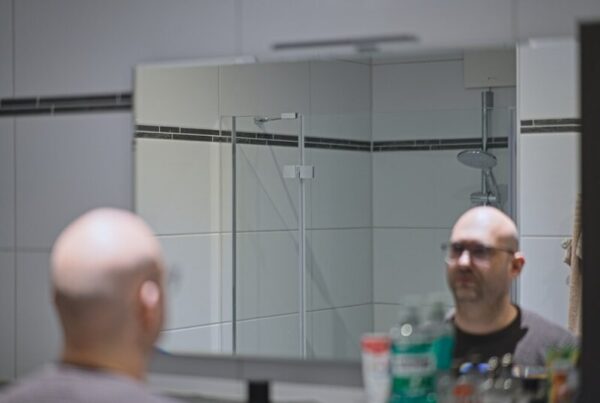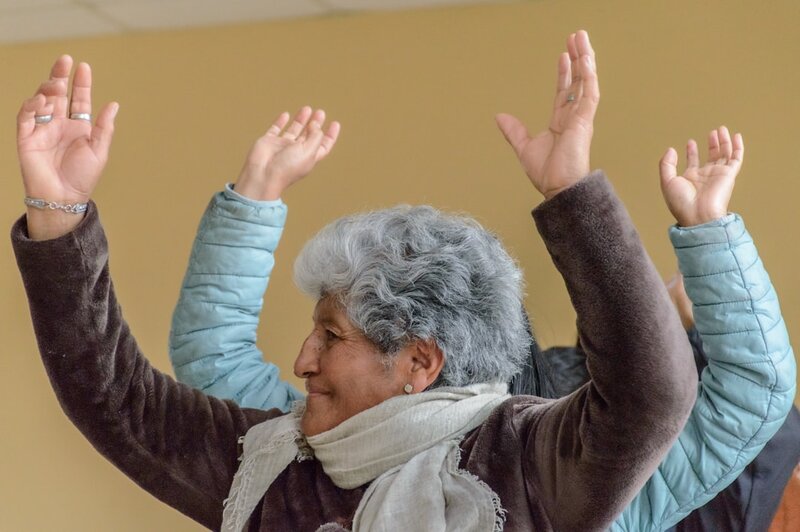
If you have ever caught your reflection in a shop window and noticed a slight stoop that was not there a decade ago, you are not alone. Posture — the way we hold ourselves when standing, sitting, and moving — changes gradually as we age. The good news is that much of this change is preventable, and a great deal of it is reversible with the right awareness and a few daily habits.
At Críonna Health, we believe that how you carry yourself is about far more than appearances. Good posture supports your breathing, your balance, your digestion, and even your mood. Here is what you need to know — and what you can do about it, starting today.
TL;DR
- Posture changes after 50 are common but largely preventable and often reversible with targeted exercises and daily awareness.
- Poor posture increases fall risk, restricts breathing, contributes to chronic pain, and can affect confidence and mood.
- Key exercises include wall angels, chin tucks, thoracic extensions, and core-strengthening movements — all doable at home.
- HSE community physiotherapy, Local Sports Partnerships, and Age & Opportunity programmes offer free or low-cost support across Ireland.
- The CDM Programme covers GP-led posture and musculoskeletal assessments for medical card holders over 50.
Why Does Posture Change as We Age?
Several factors contribute to postural changes in our 50s, 60s, and beyond. Muscle mass naturally declines — a process known as sarcopenia — and the muscles that hold us upright, particularly in the core and upper back, can weaken if we do not actively maintain them. Intervertebral discs lose hydration over time, causing a slight reduction in height and flexibility. Years of desk work, driving, or looking down at screens can lead to a forward head posture and rounded shoulders that become habitual.
For women, the drop in oestrogen after menopause accelerates bone density loss, increasing the risk of vertebral compression fractures that can lead to thoracic kyphosis — the visible rounding of the upper back sometimes called a “dowager’s hump”. Research from the Irish Longitudinal Study on Ageing (TILDA) confirms that musculoskeletal conditions are among the most common health issues affecting adults over 50 in Ireland, with posture-related problems contributing significantly to pain, disability, and reduced quality of life.
Why Good Posture Matters More Than You Think
Balance and Falls Prevention
When your head shifts forward even a couple of centimetres, your centre of gravity moves with it. This makes you less stable and increases your risk of falls — still the leading cause of injury-related hospital admissions among older adults in Ireland, according to the HSE. Good alignment keeps your weight centred over your feet, giving you a more stable base.
Breathing and Energy
A slumped posture compresses the chest cavity and limits how fully your lungs can expand. Studies show that an upright seated position can improve lung capacity by up to 10% compared with a slouched one. If you have been feeling more breathless or fatigued lately, your posture may be part of the picture.
Pain Reduction
Chronic neck pain, shoulder tension, lower back ache, and headaches are frequently linked to postural habits. When muscles work overtime to compensate for poor alignment, they fatigue and tighten. Correcting posture does not eliminate all pain, but it often reduces it significantly — sometimes more effectively than medication alone.
Digestion
Sitting hunched compresses the abdominal organs and can slow digestion, worsen acid reflux, and contribute to bloating. Sitting tall after meals is a simple habit that can make a noticeable difference.
Confidence and Mood
This one may surprise you. Research in psychology has consistently shown that upright posture is associated with higher self-esteem, better mood, and reduced feelings of anxiety. How we hold our bodies genuinely affects how we feel. Standing tall is not vanity — it is wellbeing.
A Posture Self-Check You Can Do Right Now
Stand with your back against a wall, heels about five centimetres from the skirting board. Your calves, buttocks, shoulder blades, and the back of your head should all touch the wall comfortably. If your head does not reach the wall without tilting it back, or if there is a large gap between your lower back and the wall (more than the width of your flattened hand), these are signs that your posture could benefit from attention.
This is not about perfection — no one stands ramrod-straight all day. It is about awareness, and awareness is the first step towards improvement.
Five Exercises to Improve and Maintain Posture
These can be done at home with no equipment. Aim for a few minutes each day — consistency matters far more than intensity.
1. Wall Angels
Stand with your back flat against a wall, arms raised to shoulder height with elbows bent at 90 degrees. Slowly slide your arms up and down the wall, keeping your wrists and elbows in contact with it throughout. Repeat 10 times. This opens the chest and strengthens the muscles between your shoulder blades.
2. Chin Tucks
Sitting or standing tall, gently draw your chin straight back (as if making a double chin). Hold for five seconds, release, and repeat 10 times. This counteracts the forward head position that comes from screen use and reading.
3. Thoracic Extension Over a Rolled Towel
Roll a bath towel into a firm cylinder. Lie on your back with the towel placed horizontally across your upper back, just below the shoulder blades. Support your head with your hands, and gently let your upper back arch over the towel. Hold for 20–30 seconds and breathe deeply. This mobilises the thoracic spine and counteracts rounding.
4. Seated Cat-Cow
Sit on the edge of a sturdy chair, feet flat on the floor. Place your hands on your knees. On an inhale, arch your back gently and lift your chest (cow). On an exhale, round your back and tuck your chin (cat). Repeat 10 times. This improves spinal mobility and can be done at the kitchen table or watching television.
5. Standing Core Brace
Stand tall with feet hip-width apart. Gently draw your belly button towards your spine without holding your breath. Hold for 10 seconds, release, and repeat five times. Strong deep core muscles are the foundation of good posture.
Everyday Habits That Help
- Set a posture reminder. A gentle alarm on your phone every hour can prompt you to check in: are you slouching? Adjust and carry on.
- Rethink your chair. Ensure your feet reach the floor, your back is supported, and your screen (if you use one) is at eye level. A small cushion behind your lower back can work wonders.
- Carry bags evenly. Swap heavy one-shoulder bags for a rucksack or alternate sides regularly.
- Stand up regularly. The HSE recommends breaking up long periods of sitting — aim to stand and move every 30 minutes.
- Walk tall. When walking, imagine a string gently pulling you upward from the crown of your head. Look ahead, not down at your feet.
When to Seek Professional Help
If you are experiencing persistent pain, noticeable changes in your posture, or difficulty standing upright, it is worth speaking with your GP. They can assess whether there are underlying issues such as osteoporosis, vertebral fractures, or degenerative disc disease, and can refer you to appropriate services.
HSE community physiotherapy services are available in every county and can provide a posture assessment and tailored exercise programme — ask your GP for a referral. Under the Chronic Disease Management (CDM) Programme, medical card and GP visit card holders over 50 can access structured reviews that include musculoskeletal assessments.
The Irish Society of Chartered Physiotherapists (ISCP) maintains a directory of qualified physiotherapists if you prefer to see someone privately. Tax relief at 20% is available on physiotherapy fees through Revenue's Med 1 form.
Community Supports Across Ireland
You do not have to work on this alone. Many community programmes incorporate posture work into their classes:
- Local Sports Partnerships (LSPs) run programmes like “Go for Life” and “Fit for Life” in every county, often including posture-focused classes for adults over 50. These are typically free or very low cost.
- Age & Opportunity coordinate the national Go for Life programme, which includes chair-based exercise, yoga, and tai chi — all excellent for posture.
- Active Retirement Ireland groups across the country run weekly exercise classes, many of which focus on balance, flexibility, and posture.
- Men's Sheds are increasingly incorporating health promotion activities, including posture awareness workshops.
A Final Thought
Posture is one of those things that changes so gradually we barely notice — until we do. But here is the encouraging part: at any age, with a few minutes of daily attention and the right exercises, you can make meaningful improvements. You do not need a gym membership or expensive equipment. You need a wall, a towel, and a willingness to stand a little taller.
Your future self — steadier on their feet, breathing more easily, standing with quiet confidence — will thank you for starting today.
📷 Photo by Jhan Castillón on Unsplash