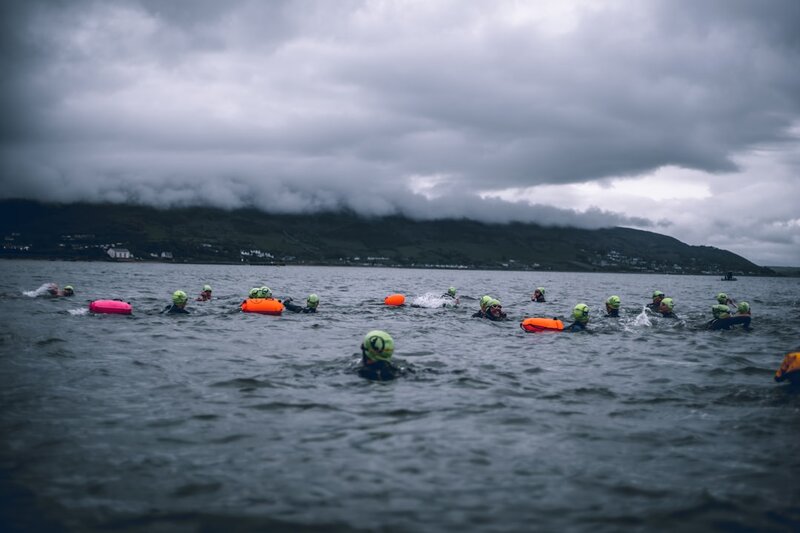
There is something about stepping into cold water that clears the mind like nothing else. Across Ireland, from the Forty Foot in Sandycove to quiet coves along the Wild Atlantic Way, more people over 50 are discovering — or rediscovering — the joy of open water swimming in cool and cold conditions. It is not just a passing trend. The evidence is building that regular cold water immersion can deliver real, measurable benefits for both body and mind.
But cold water also demands respect. For anyone over 50, especially those with existing health conditions, getting started safely matters just as much as getting started at all. This guide walks you through the benefits, the risks, and the practical steps to enjoy cold water swimming in Ireland — at your own pace.
TL;DR
- Cold water swimming is growing rapidly among over-50s in Ireland, with evidence-backed benefits for mood, circulation, immune function, and chronic pain.
- The cold shock response poses real risks — always get GP clearance, especially if you have heart or blood pressure conditions.
- Start gradually: begin in summer, stay close to shore, swim with others, and build up exposure time slowly over weeks.
- Ireland has hundreds of safe swim spots and a thriving community of outdoor swimming groups — most welcome beginners warmly.
- Warming up properly after a swim is just as important as the swim itself — bring layers, a warm drink, and never rush a hot shower.
Why Cold Water Swimming Is More Than a Fad
Open water swimming in Ireland is nothing new — generations have taken to the sea year-round at spots like the Forty Foot, Seapoint, Blackrock in Galway, and countless beaches along every coast. What has changed is the volume of research now exploring why regular cold water exposure appears to be so good for us, particularly as we age.
A growing body of evidence, including research from the University of Cambridge and studies referenced by the World Health Organisation, suggests that repeated cold water immersion may:
- Boost mood and reduce symptoms of depression and anxiety. Cold water triggers a surge of endorphins and noradrenaline — the body’s natural mood lifters. A landmark 2018 case study published in the British Medical Journal documented how regular cold water swimming helped a woman reduce and eventually stop antidepressant medication under medical supervision.
- Improve circulation. The repeated cycle of vasoconstriction (blood vessels narrowing in cold) and vasodilation (widening on rewarming) may strengthen cardiovascular tone over time — a kind of passive workout for your blood vessels.
- Support immune function. Research from the Czech Republic and the Netherlands has found that regular cold water swimmers report fewer sick days and show changes in immune markers, though the evidence is still evolving.
- Reduce inflammation and ease chronic pain. Many swimmers report relief from conditions like arthritis and fibromyalgia. While the science is not yet definitive, the anti-inflammatory response to cold exposure is well documented.
- Sharpen mental resilience. Learning to manage the cold shock response builds a form of stress inoculation — the ability to stay calm under physical stress — which carries over into everyday life.
Understanding the Risks: Cold Water Demands Respect
For all its benefits, cold water swimming is not without risk, and those risks increase with age. Being honest about this is not about discouraging you — it is about helping you enjoy it safely for years to come.
Cold Shock Response
When you enter cold water (below about 15°C), your body reacts with an involuntary gasp reflex, rapid breathing, and a spike in heart rate and blood pressure. This response is strongest in the first one to two minutes and is the most dangerous period of any cold water swim. For someone with undiagnosed heart disease or uncontrolled hypertension, this can trigger a cardiac event.
Hypothermia
Even in Irish summer waters (typically 12–17°C), core body temperature drops faster than you might expect, especially in older adults whose thermoregulation becomes less efficient with age. Hypothermia can set in within 15–30 minutes in cool water, and its early signs — confusion, clumsiness, slurred speech — can be hard to recognise in yourself.
Afterdrop
Your core temperature continues to fall for 10–30 minutes after you leave the water, as cold blood from your extremities returns to your core. This is called afterdrop, and it catches many beginners off guard. It is why warming up gradually after your swim is so important.
Medication Interactions
Some common medications can affect your response to cold water. Beta-blockers may blunt your heart rate response; diuretics can increase dehydration risk; and blood thinners may worsen any cuts or scrapes. If you take regular medication, discuss cold water swimming with your GP or pharmacist before you start.
Before You Start: Talk to Your GP
This is not optional advice — it is essential. Before taking up cold water swimming, have an honest conversation with your GP, particularly if you:
- Have any heart condition, including atrial fibrillation, angina, or a history of heart attack
- Take medication for blood pressure, heart rhythm, or blood thinning
- Have Raynaud’s phenomenon or poor peripheral circulation
- Have epilepsy or a history of seizures
- Have asthma that is triggered by cold air or exertion
- Have diabetes (cold water can affect blood sugar levels)
Under the HSE’s Chronic Disease Management (CDM) Programme, your GP can assess your cardiovascular fitness and advise on whether cold water swimming is appropriate for you. If you have a medical card or GP visit card, these consultations are covered.
Getting Started: A Gradual Approach
The golden rule of cold water swimming is: start slow, stay humble, and build up gradually. Here is a practical approach:
1. Begin in Summer
Irish sea temperatures are at their warmest between July and September (14–17°C). Starting now gives your body the best chance to acclimatise before autumn temperatures drop.
2. Find a Safe Spot
Choose a sheltered beach or bathing spot with easy entry and exit. Water Safety Ireland (watersafety.ie) provides information on safe swimming locations. Look for spots with lifeguard cover during summer months, and check tide times before you go.
3. Never Swim Alone
This is the single most important safety rule. Swim with a friend or join a local group. If something goes wrong, having someone nearby can be the difference between a scare and a tragedy.
4. Walk In, Don’t Jump
Enter the water slowly, allowing your body to adjust. Submerge your hands and splash water on your face and neck before going deeper. Focus on controlling your breathing — slow, steady exhales through pursed lips.
5. Keep It Short
Your first swims should last just two to five minutes. Resist the temptation to stay in longer because you feel fine — remember, afterdrop means the real cooling happens after you get out. Over several weeks, you can gradually extend your time, but even experienced cold water swimmers rarely stay in for more than 15–20 minutes in Irish winter waters.
6. Warm Up Properly
Have dry clothes, a warm hat, and a hot drink ready before you get in. After your swim, dry off and dress in warm layers immediately. Avoid hot showers straight away — the sudden vasodilation can cause dizziness or fainting. Let your body rewarm naturally with layers, movement, and a warm (not scalding) drink.
Finding Your Community
One of the loveliest aspects of cold water swimming in Ireland is the community. Outdoor swimming groups exist in nearly every coastal town, and many welcome complete beginners. Some well-known groups and resources include:
- Swim Ireland (swimireland.ie) — the national governing body, with information on open water swimming clubs and events across the country.
- Local outdoor swimming groups — search social media for groups in your area. Many operate informal “dawn swim” or “sunrise dip” meetups that are relaxed and welcoming.
- Active Retirement Ireland — some local Active Retirement groups organise sea swimming outings as part of their activity programmes.
- Local Sports Partnerships (LSPs) — your county’s LSP may run open water swimming taster sessions or link you with local groups. Find yours at sportireland.ie.
Swimming with others is not just safer — it is also more enjoyable. The post-swim chat over tea and biscuits is, for many regulars, the best part of the whole experience.
Essential Kit
You do not need expensive gear to get started, but a few items make a real difference:
- A good swimsuit or trunks — avoid cotton, which holds cold water against the skin.
- Neoprene gloves and booties — your extremities cool fastest, and these extend your comfort significantly.
- A brightly coloured swim cap — for visibility. A silicone cap also provides a small amount of insulation.
- A tow float — an inflatable float that attaches to your waist, making you visible to boats and other water users.
- A changing robe or large towel — for warmth and privacy when changing outdoors.
- A flask of warm tea or soup — for after your swim.
When to Stop and Get Out
Learn to listen to your body. Get out of the water immediately if you notice:
- Uncontrollable shivering
- Numbness in your hands or feet that makes gripping or walking difficult
- Confusion or difficulty thinking clearly
- Chest pain, tightness, or palpitations
- Difficulty breathing that does not settle after the first minute
There is no shame in a short swim. In fact, experienced cold water swimmers will tell you that knowing when to get out is the most important skill of all.
A Note from Críonna Health
At Críonna Health, we believe that healthy ageing is about finding activities that nourish both body and mind — and cold water swimming, done safely, is one of the most rewarding ways to stay active, connected, and mentally sharp after 50. Whether you are dipping your toes in for the first time or returning to the sea after years away, the water will be there for you. Start gently, swim with others, and enjoy every moment of it.
📷 Photo by conor rabbett on Unsplash