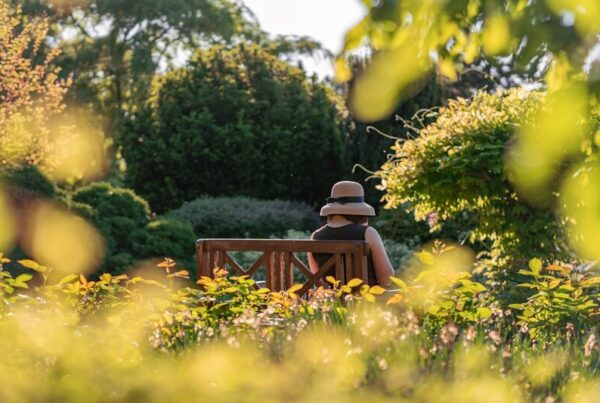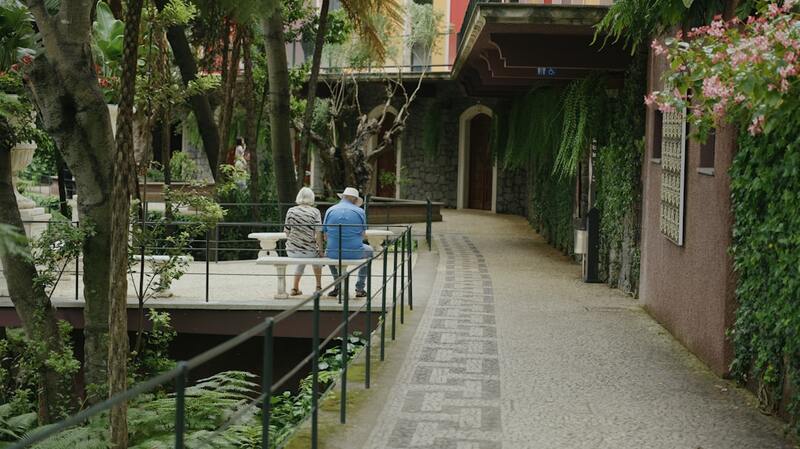
Retirement is often framed as an individual milestone — the day you leave work, the pension you draw down, the hobbies you finally have time for. But for couples, retirement is one of the biggest transitions you will navigate together. Suddenly, two people who may have spent decades with separate routines, separate social circles, and separate identities built around work find themselves sharing the same space, all day, every day.
It can be wonderful. It can also be surprisingly challenging. Understanding what to expect — and talking about it openly — makes all the difference.
TL;DR
- Retirement is a shared transition for couples, not just an individual milestone — it affects routines, roles, and relationship dynamics.
- TILDA research shows quality of life peaks around age 68, and planning together is a key factor in positive retirement outcomes.
- Staggered retirement (when one partner retires first) affects 62% of couples and requires deliberate communication and compromise.
- Renegotiating household roles, personal space, and shared activities is normal and healthy — not a sign of problems.
- Irish supports include Relationships Ireland (formerly Relate), HSE counselling services, and community programmes for couples in transition.
Why Retirement Changes Your Relationship
When you are working, your relationship has a natural rhythm. You leave, you come back, you share the highlights of your day. Retirement removes that structure entirely. Research published in 2026 examining retirement’s relational impacts found that couples face interconnected challenges across multiple domains: time use, domestic roles, financial concerns, and emotional adjustment.
None of this means your relationship is in trouble. It means you are both adapting to a genuinely new way of living — and that takes time, patience, and honest conversation.
The Staggered Retirement Challenge
In most couples, one partner retires before the other. International research suggests this applies to around 62% of couples. When one person is at home while the other still works, an imbalance can creep in. The retired partner may feel isolated or undervalued; the working partner may feel envious or pressured.
If this applies to you, consider:
- Acknowledging the imbalance openly. Simply naming it — “this is a strange in-between period” — can reduce tension.
- Avoiding assumptions about household roles. The retired partner is not automatically responsible for all cooking and cleaning.
- Protecting individual interests. The retired partner should build their own routine rather than waiting for the other to finish work each day.
Renegotiating Roles and Space
After decades of established routines, retirement asks couples to renegotiate almost everything: who does what around the house, how much time you spend together versus apart, and how you each find purpose and structure in your days.
This renegotiation is not a sign of failure — it is a sign of growth. Some practical approaches that help:
- Have the “space” conversation early. It is perfectly healthy to need time alone. Discuss what that looks like for each of you — a room of one’s own, a regular outing, or simply uninterrupted reading time.
- Share domestic tasks fairly. If one partner handled everything at home while the other worked, retirement is an opportunity to rebalance. Approach it as a team, not a negotiation.
- Find shared and separate activities. Couples who thrive in retirement tend to have both — things they enjoy together (walking, gardening, volunteering) and things they pursue independently.
What TILDA Research Tells Us
The Irish Longitudinal Study on Ageing (TILDA), based at Trinity College Dublin, has tracked over 8,500 adults across Ireland since 2009. Their research on retirement transitions offers important insights for Irish couples:
- Quality of life tends to peak around age 68, then gradually declines — suggesting the early retirement years are a window of opportunity to invest in your relationship and wellbeing.
- The level to which individuals have planned for retirement, the nature of their retirement (voluntary versus forced), and financial security are key factors in a positive transition.
- Social participation and maintaining strong relationships are consistently associated with better health outcomes in later life.
The takeaway? Planning together — not just financially, but emotionally and practically — significantly improves how couples experience retirement.
Communication: The Foundation of It All
Research on couples adjusting to retirement consistently highlights one factor above all others: communication. Studies examining daily emotional regulation in retiring couples found that when one partner ruminates or struggles to express themselves clearly, it affects both partners’ wellbeing.
This does not mean you need to talk about everything constantly. It means:
- Check in regularly about how you are both finding the transition — not just once, but over months and years.
- Be honest about what is not working. Small frustrations left unspoken tend to grow.
- Listen without fixing. Sometimes your partner needs to be heard, not advised.
Irish Supports for Couples in Transition
If you feel your relationship could benefit from support during this transition, there are excellent resources available in Ireland:
- Relationships Ireland (formerly Relate Ireland) offers couples counselling across the country, with sliding-scale fees. You do not need to be in crisis to benefit from a few sessions — many couples use counselling proactively during life transitions.
- HSE Counselling in Primary Care (CIPC) provides free short-term counselling through your GP. While not specifically couples-focused, it can help individuals process the emotional aspects of retirement.
- Family Mediation Service (Legal Aid Board) offers free mediation for couples experiencing conflict — not just those separating.
- Active Retirement Ireland provides social activities for couples and individuals, helping you build a shared community in retirement.
- Men’s Sheds and ICA offer valuable social outlets that give each partner independent community connections.
A New Chapter, Not an Ending
Retirement is not the end of your story as a couple — it is the beginning of a chapter with fewer external demands and more freedom to shape your days together. The couples who navigate it best are those who approach it with curiosity, patience, and a willingness to talk openly about what they need.
At Críonna Health, we believe that healthy ageing is about more than physical health — it is about nurturing the relationships, routines, and sense of purpose that make life rich. If you and your partner are approaching retirement, or already in it, know that the adjustment is normal, the challenges are shared by many, and support is always available.
📷 Photo by Marcin Kolodziejczak on Unsplash