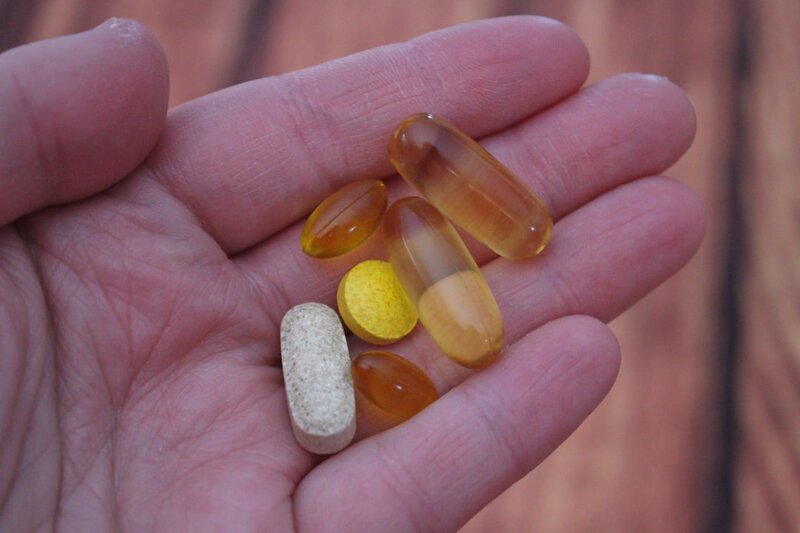
Ireland is one of the worst countries in Europe for vitamin D deficiency. Our latitude, our cloud cover, and our long winters mean that for roughly six months of the year, our skin simply cannot make enough vitamin D from sunlight. For adults over 50, this matters more than most people realise.
Walk into any pharmacy and you will find shelves full of supplements promising everything from sharper minds to stronger bones. But which ones do you actually need? And which are a waste of money?
TL;DR
- Vitamin D deficiency is extremely common in Ireland, especially in adults over 50 — the HSE recommends supplementing year-round
- Calcium, omega-3, and vitamin B12 are worth considering after 50, but talk to your GP before starting
- Most other supplements offer little proven benefit and can interact with medications
- Food first, supplements second — a balanced diet covers most needs
- The Medical Card and Drugs Payment Scheme can help with costs for prescribed supplements
The Vitamin D Problem in Ireland
Vitamin D is sometimes called the sunshine vitamin, and that name tells you exactly why Ireland has a problem. Between October and March, the sun sits too low in the sky for our skin to produce vitamin D, no matter how long we spend outdoors. Even in summer, our famously overcast skies limit exposure.
Research from the Irish Longitudinal Study on Ageing (TILDA) found that one in eight adults over 50 in Ireland is deficient in vitamin D, and more than one in three has insufficient levels. The figures are higher still in people over 70, those living alone, and those with limited mobility who spend less time outdoors.
Why does this matter? Vitamin D plays a crucial role in bone health, helping your body absorb calcium. Low levels are linked to increased risk of falls, fractures, and osteoporosis — all significant concerns as we age. There is also growing evidence connecting vitamin D deficiency to low mood, reduced immune function, and muscle weakness.
The HSE and the Food Safety Authority of Ireland both recommend that all adults living in Ireland take a daily vitamin D supplement, particularly from October to March. For adults over 65, year-round supplementation of 15 micrograms (600 IU) daily is advised. Some GPs may recommend higher doses depending on blood test results.
Calcium: The Bone Health Partner
Vitamin D and calcium work together. Without adequate vitamin D, your body cannot absorb calcium effectively, no matter how much you consume. But calcium itself is important in its own right, especially for women after menopause, when bone density loss accelerates.
The recommended daily intake for adults over 50 is around 1,200mg. The best approach is to get as much as possible from food: dairy products, tinned fish with bones (sardines, salmon), leafy greens like kale and broccoli, and fortified plant milks.
If your diet is low in calcium-rich foods, or if you have been diagnosed with osteopenia or osteoporosis, your GP may recommend a calcium supplement. One important note: calcium supplements should be taken in divided doses (500-600mg at a time) for better absorption, and ideally with food.
Vitamin B12: The One That Sneaks Up on You
Vitamin B12 deficiency becomes more common with age, not because we eat less of it, but because our bodies become less efficient at absorbing it from food. The stomach produces less acid as we get older, and B12 needs acid to be released from the proteins in food.
Symptoms of B12 deficiency can be subtle and easy to dismiss: tiredness, brain fog, tingling in hands or feet, low mood. These are often attributed to “just getting older,” but they are worth mentioning to your GP. A simple blood test can check your levels.
Good dietary sources include meat, fish, eggs, and dairy. If you follow a plant-based diet, B12 supplementation is essential, as there are no reliable plant sources. For those over 50, a B12 supplement or a B-complex vitamin can be worthwhile insurance, especially if you take medications that reduce stomach acid (such as omeprazole or lansoprazole).
Omega-3 Fatty Acids: The Evidence Is Reasonable
Omega-3 fatty acids, particularly EPA and DHA found in oily fish, have decent evidence behind them for heart health and may support brain function as we age. The Irish Heart Foundation recommends eating oily fish (mackerel, salmon, sardines, herring) at least twice a week.
If you do not eat fish regularly, a fish oil or algae-based omega-3 supplement is a reasonable option. Look for supplements that provide at least 500mg of combined EPA and DHA daily. One caution: omega-3 supplements can interact with blood-thinning medications like warfarin, so check with your GP or pharmacist first.
What You Probably Do Not Need
The supplement industry is worth billions, and much of that revenue comes from products with weak or no evidence behind them. Here are some common supplements that most people over 50 do not need to take routinely:
Multivitamins. Large studies, including the Physicians’ Health Study, have found that daily multivitamins offer little benefit for people who already eat a reasonably balanced diet. They are not harmful in most cases, but they are rarely necessary. Targeted supplements (vitamin D, B12 if needed) make more sense than a scattergun approach.
Glucosamine and chondroitin. Widely marketed for joint health, but the evidence is mixed at best. Some people report feeling better, but large clinical trials have not shown consistent benefits over placebo. If you have been taking them and feel they help, there is no harm in continuing, but they are not a first-line recommendation.
Turmeric and curcumin. Popular on social media, but curcumin has notoriously poor bioavailability — your body absorbs very little of it. While there is laboratory research suggesting anti-inflammatory properties, the clinical evidence in humans is limited. It can also interact with blood thinners and diabetes medications.
High-dose vitamin C. Your body can only absorb a limited amount of vitamin C. Anything beyond about 200mg daily is largely excreted. A normal diet with fruit and vegetables provides plenty. Megadosing has no proven benefit for immune function and can cause digestive upset.
Important Safety Considerations
Supplements are not sweets. They contain active ingredients that can interact with prescription medications, and some can be harmful in high doses.
Always tell your GP and pharmacist about any supplements you take. This is especially important if you are on blood thinners, blood pressure medication, or diabetes treatment.
More is not better. Fat-soluble vitamins (A, D, E, K) can accumulate in your body. Excessive vitamin D, for example, can cause dangerously high calcium levels. Stick to recommended doses unless your GP advises otherwise based on blood tests.
Buy from reputable sources. In Ireland, look for products that carry the HPRA (Health Products Regulatory Authority) notification. This does not guarantee effectiveness, but it means the product meets safety and labelling standards.
Accessing Supplements in Ireland
If your GP prescribes a supplement (such as high-dose vitamin D or prescription-strength calcium), it may be covered under your Medical Card or the Drugs Payment Scheme, which caps monthly costs at €80 per household.
Over-the-counter supplements are not covered by these schemes, but they are widely available in pharmacies, health food shops, and supermarkets. Pharmacy own-brand supplements are often significantly cheaper than branded equivalents with identical ingredients.
The Household Benefits Package, available to those over 70 (or over 66 in certain circumstances), does not cover supplements directly, but it frees up household budget that can be redirected to health needs.
The Food-First Approach
The best foundation for good nutrition at any age remains a varied, balanced diet. No supplement can compensate for consistently poor eating habits. Focus on:
- Protein at every meal — crucial for maintaining muscle mass after 50 (meat, fish, eggs, beans, lentils, dairy)
- Colourful fruit and vegetables — aim for five to seven portions daily for vitamins, minerals, and fibre
- Whole grains — porridge, brown bread, brown rice for sustained energy and gut health
- Dairy or fortified alternatives — for calcium and, in the case of fortified products, vitamin D
- Oily fish twice a week — for omega-3 fatty acids and vitamin D
If appetite is an issue (common in older adults), smaller, more frequent meals and nutrient-dense snacks like nuts, yoghurt, and cheese can help maintain intake without requiring large portions.
At Críonna Health, we believe in practical, evidence-based guidance for ageing well. Supplements can play a role, but they work best as part of a broader approach to health that includes good nutrition, regular movement, and staying connected with your GP.
📷 Photo by Kayla Maurais on Unsplash