For most of us, home is more than four walls. It is the garden you have tended for decades, the neighbours who wave when you leave the house, the creaky floorboard you have stepped over so many times it has become second nature. The idea of leaving all that behind is, for many older adults, deeply unsettling.
The good news is that staying in your own home as you age is not only possible for most people, it is actively supported by Irish policy, community services, and a growing range of practical adaptations. Ageing in place, as it is known, is about making your home and your community work for you as your needs change.
TL;DR
- Most older adults in Ireland want to stay in their own homes, and government policy supports this through grants, home care packages, and community services
- The Housing Adaptation Grant covers up to €30,000 for mobility and accessibility modifications like stairlifts, wet rooms, and ramps
- HSE Home Support Services provide practical help with daily tasks, and you can apply through your local health office
- Simple home modifications like grab rails, better lighting, and removing trip hazards make a significant difference to safety
- Planning early, before a crisis, gives you the most options and the least stress
What Ageing in Place Actually Means
Ageing in place simply means living in your own home and community safely, independently, and comfortably for as long as possible. It does not mean doing everything alone. It means having the right supports, adaptations, and services in place so that your home continues to work for you.
According to the Irish Longitudinal Study on Ageing (TILDA), over 90% of adults aged 50 and over in Ireland live in their own homes, and the vast majority want to remain there. Irish government policy, particularly through the HSE and local authorities, increasingly supports this preference. It is also, frankly, more cost-effective than residential care for most people.
Home Modifications That Make a Real Difference
You do not need to rebuild your house. Often, relatively modest changes make the biggest impact on safety and comfort.
Bathroom adaptations
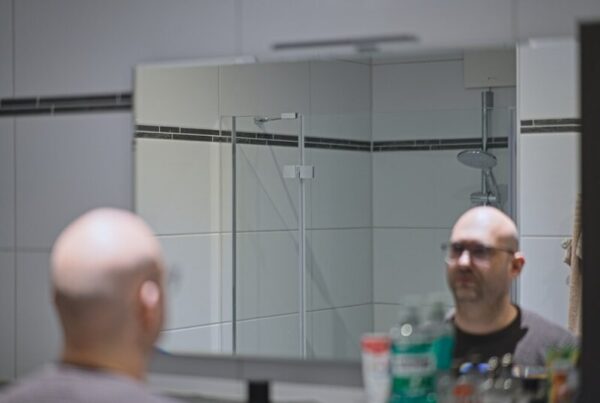
The bathroom is where most falls in the home happen. A walk-in shower or wet room eliminates the need to step over a bath edge. Grab rails beside the toilet and in the shower provide stability. Non-slip flooring is inexpensive and effective. A raised toilet seat can make a surprising difference for anyone with hip or knee problems.
Stairlifts and ground-floor living
If stairs are becoming difficult, a stairlift is a practical solution. For some homes, converting a downstairs room into a bedroom may be simpler and equally effective. The key is planning before stairs become dangerous, not after a fall.
Lighting and trip hazards
Good lighting throughout the house, particularly on stairs, in hallways, and at external doors, prevents accidents. Motion-sensor lights for nighttime trips to the bathroom are inexpensive and genuinely useful. Remove loose rugs, trailing cables, and clutter from walkways.
Kitchen adjustments
Move frequently used items to waist-height shelves. Consider lever taps if grip strength has reduced. A perching stool allows you to sit while preparing food. Small changes, big impact on daily comfort.
Financial Supports Available in Ireland
Ireland offers several grant schemes specifically designed to help older adults adapt their homes.
Housing Adaptation Grant for People with a Disability
This grant, administered by your local authority, covers works such as extensions, bathroom conversions, stairlifts, and accessibility modifications. The maximum grant is €30,000, and it is means-tested. You must own and occupy the property (or be renting from a local authority or approved housing body).
Mobility Aids Grant Scheme
For smaller works like grab rails, ramps, and minor bathroom modifications, the Mobility Aids Grant covers up to €6,000. It is also means-tested but has a faster approval process than the larger adaptation grant.
Housing Aid for Older People
This scheme covers structural repairs, re-roofing, rewiring, plumbing, and heating upgrades for people aged 66 and over (or younger if there are specific health needs). The maximum grant is €8,000. It addresses the basics: a warm, dry, structurally sound home.
Applications for all three schemes go through your local authority. Citizens Information centres can help with the paperwork, and your local authority housing section can advise on eligibility.
Home Care and Community Services
Physical adaptations are only part of the picture. As needs change, home care services can fill the gaps.
HSE Home Support Services
The HSE provides home support (formerly home help) to assist with personal care, household tasks, and daily living activities. Hours are allocated based on assessed need. To apply, contact your local health office or ask your GP for a referral. Waiting lists vary by area, so applying early is wise.
Meals on Wheels
Run by local voluntary organisations across Ireland, Meals on Wheels provides nutritious meals and, just as importantly, a regular social check-in. Contact your local community and voluntary forum to find your nearest service.
Community alarm systems
Personal alarms, worn as a pendant or wristband, connect you to a monitoring centre at the press of a button. Many are provided free or at low cost through local community groups or the HSE. The Seniors Alert Scheme, administered by Pobal, provides funding for personal alarms for people aged 65 and over who live alone or in isolated circumstances.
Public Health Nurses
Your local public health nurse is a valuable and often underused resource. They can assess your needs at home, coordinate services, and connect you with supports you may not know exist. Ask your GP for a referral if you have not already been in contact.
Technology That Helps
Technology has a growing role in supporting independent living, and it does not have to be complicated.
- Smart speakers can set medication reminders, make hands-free phone calls, and control lights without reaching for switches.
- Video doorbells let you see who is at the door without getting up.
- Automatic lighting on timers or motion sensors improves safety and reduces electricity costs.
- Medication dispensers with alarms help manage complex medication schedules.
- GPS trackers provide peace of mind for family members of those who may wander, particularly people living with early-stage dementia.
The key is choosing technology that solves a specific problem, not adopting it for its own sake. If a simple pill box works, you do not need a smart dispenser.
Planning Ahead: The Best Time Is Now
The single most important piece of advice about ageing in place is this: plan before you need to. Making decisions about home adaptations, care services, and legal arrangements (like an Enduring Power of Attorney) during a crisis is stressful, rushed, and often leads to worse outcomes.
If you are in your 50s or 60s, now is the time to think about whether your home will work for you in your 70s and 80s. Walk through your house with fresh eyes. Could you manage if you had reduced mobility? Is there a bathroom on the ground floor? Are the doorways wide enough for a walking frame?
These are not morbid questions. They are practical ones. Addressing them early gives you the most options, the lowest costs, and the greatest peace of mind.
Where to Start
- Citizens Information: citizensinformation.ie for grant details and eligibility
- Your local authority: Housing section for grant applications
- HSE: Local health office for home support referrals
- Age Action Ireland: Information and advocacy for older adults
- ALONE: Support, coordination, and befriending services for older people
Your home has served you well. With the right planning and supports, it can continue to do so for years to come.