Type 2 diabetes is one of the most common chronic conditions affecting people in Ireland today, and the risk increases significantly after 50. The good news? It is also one of the most preventable. With the right knowledge and a few practical changes, you can dramatically reduce your risk or manage the condition well if you already have it.
This guide covers what you need to know about type 2 diabetes as you get older, with a focus on the supports and resources available right here in Ireland.
TL;DR
- Type 2 diabetes risk rises sharply after 50, but lifestyle changes can reduce risk by up to 58%
- Warning signs include increased thirst, fatigue, slow-healing wounds, and frequent urination
- The HSE offers free diabetes support courses, and your GP can check your blood sugar levels
- Walking 30 minutes a day and making modest dietary changes are among the most effective prevention strategies
- Diabetes Ireland provides peer support, helplines, and local community groups across the country
Why the Risk Increases After 50
As we age, our bodies become less efficient at processing insulin, the hormone that regulates blood sugar. This is a natural part of ageing, but when combined with other factors, it can tip the balance toward type 2 diabetes.
Several things increase your risk after 50:
- Reduced muscle mass — muscle helps regulate blood sugar, and we naturally lose it as we age
- Lower activity levels — many people become less physically active in their 50s and beyond
- Weight changes — particularly weight carried around the middle
- Family history — if a parent or sibling has type 2 diabetes, your risk is higher
- Previous gestational diabetes — women who had diabetes during pregnancy face increased risk later
None of these factors is a guarantee you will develop the condition. They simply mean it is worth paying attention and taking proactive steps.
Recognising the Early Signs
Type 2 diabetes often develops gradually, which means it can go unnoticed for years. In Ireland, it is estimated that a significant number of people are living with undiagnosed diabetes. Knowing the signs matters:
- Feeling unusually thirsty or having a dry mouth
- Needing to urinate more often, especially at night
- Persistent tiredness that rest does not seem to fix
- Blurred vision
- Cuts or wounds that heal slowly
- Tingling or numbness in your hands or feet
If any of these feel familiar, a simple blood test at your GP can check your blood sugar levels. The earlier type 2 diabetes is caught, the easier it is to manage.
Prevention: What Actually Works
Research consistently shows that lifestyle changes can reduce the risk of developing type 2 diabetes by up to 58% in people at high risk. That is more effective than most medications. The changes do not need to be dramatic.
Move More, Starting Small
You do not need to train for a marathon. Walking briskly for 30 minutes a day is one of the most effective things you can do. Walking improves insulin sensitivity, helps manage weight, and supports cardiovascular health.
If 30 minutes feels like a lot, start with 10. A short walk after meals is particularly beneficial for blood sugar regulation. Swimming, cycling, gardening, and even housework all count toward staying active.
Rethink Your Plate
You do not need a special diet. Focus on practical shifts:
- More fibre — whole grains, vegetables, beans, and lentils help slow the absorption of sugar
- Less processed food — ready meals, white bread, sugary drinks, and processed meats all increase risk
- Portion awareness — you do not need to count calories, but being mindful of portion sizes helps
- Regular meals — skipping meals can lead to blood sugar spikes when you do eat
The Mediterranean-style pattern of eating, rich in vegetables, olive oil, fish, and whole grains, has some of the strongest evidence for diabetes prevention.
Watch Your Waistline
Carrying extra weight around the middle is one of the strongest risk factors. Even modest weight loss of 5-7% of body weight (roughly a stone for many people) can significantly reduce risk. The focus should be on gradual, sustainable changes rather than crash diets.
Getting Checked in Ireland
Your GP is your first port of call. A fasting blood glucose test or an HbA1c test can tell you where you stand. If you are over 45 and have any risk factors, it is worth asking for a check even if you feel perfectly well.
Under the GMS (medical card) scheme, these tests are covered at no additional cost. If you have a GP visit card, blood tests are also generally covered.
Pre-Diabetes: The Warning Window
If your blood sugar is higher than normal but not yet in the diabetes range, you may be told you have pre-diabetes. This is not a diagnosis to fear. It is a window of opportunity. With the right changes, many people with pre-diabetes never progress to type 2 diabetes.
The HSE runs structured diabetes prevention programmes. Ask your GP about what is available in your area.
Irish Supports and Resources
Ireland has a growing network of supports for people at risk of or living with type 2 diabetes:
- HSE Diabetes Support Courses — free structured education programmes including DESMOND (for newly diagnosed) and CODE (for people managing type 2 diabetes). These are available through your GP or local health centre.
- Diabetes Ireland — the national charity provides a helpline (1800 714 800), local support groups, and educational resources at diabetes.ie
- Your local pharmacy — many pharmacies offer blood sugar checks and can advise on monitoring devices
- Community Health Organisations (CHOs) — your local CHO may run walking groups, cooking classes, or health promotion events targeted at diabetes prevention
Living Well With Type 2 Diabetes
If you have already been diagnosed, the same lifestyle principles apply, often alongside medication. The key is consistent management rather than perfection. Regular check-ups with your GP and diabetes team, monitoring your blood sugar as advised, and staying active all make a real difference.
Many people with type 2 diabetes live full, active, healthy lives for decades. The condition does not define you, and with good management, it does not need to limit you either.
A Note for Carers and Family
If someone you care about is at risk of or living with type 2 diabetes, your support matters. Cooking together, going for walks together, or simply understanding what they are going through can make a real difference. Diabetes Ireland runs events and resources for family members too.
Ageing well is not about avoiding every risk. It is about knowing which risks you can influence and taking sensible, sustainable steps. Type 2 diabetes is one of those risks, and you have more power over it than you might think.
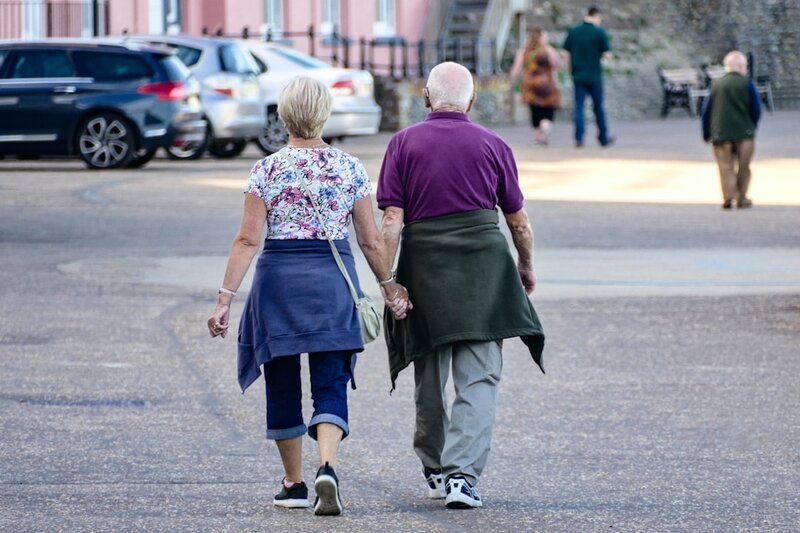
📷 Photo by Mark Timberlake on Unsplash