If you have noticed your knees protesting on the stairs or your hands feeling stiff on cold mornings, you are far from alone. Joint pain is one of the most common health concerns for adults over 50, affecting roughly one in five people in Ireland. The good news? There is a great deal you can do to protect your joints, manage discomfort, and stay active well into your later years.
TL;DR
- Joint stiffness and pain after 50 are common but not inevitable. Early action makes a real difference.
- Osteoarthritis is the most common form in Ireland, affecting knees, hips, and hands most often.
- Regular low-impact exercise like swimming, walking, and cycling is one of the most effective treatments.
- The HSE, Arthritis Ireland, and local community programmes offer free or subsidised supports.
- Weight management, good footwear, and knowing when to see your GP are all practical steps you can take today.
Understanding What Happens to Your Joints
Joints are remarkable structures. Cartilage cushions the space between bones, synovial fluid keeps everything lubricated, and ligaments hold it all together. As we age, cartilage naturally thins and synovial fluid can decrease. This does not mean pain is inevitable, but it does mean looking after your joints becomes more important.
The most common joint condition in Ireland is osteoarthritis, which affects around 915,000 people according to Arthritis Ireland. It tends to develop gradually, often in the knees, hips, hands, and spine. Rheumatoid arthritis, an autoimmune condition, is less common but can affect people at any age and requires different treatment.
It is worth understanding which type you might be dealing with, because the approach differs. Osteoarthritis tends to feel worse after activity and better with rest, while inflammatory arthritis (like rheumatoid) often causes stiffness that improves with movement.
Why Movement Is Medicine
It sounds counterintuitive when your joints are sore, but exercise is consistently shown to be one of the most effective treatments for joint pain. The TILDA research from Trinity College Dublin has repeatedly highlighted that physically active older adults in Ireland report less joint pain, better mobility, and greater independence than those who are sedentary.
The key is choosing the right kind of movement:
- Swimming and water aerobics take the weight off your joints while building strength. Many local pools and leisure centres offer sessions specifically for older adults.
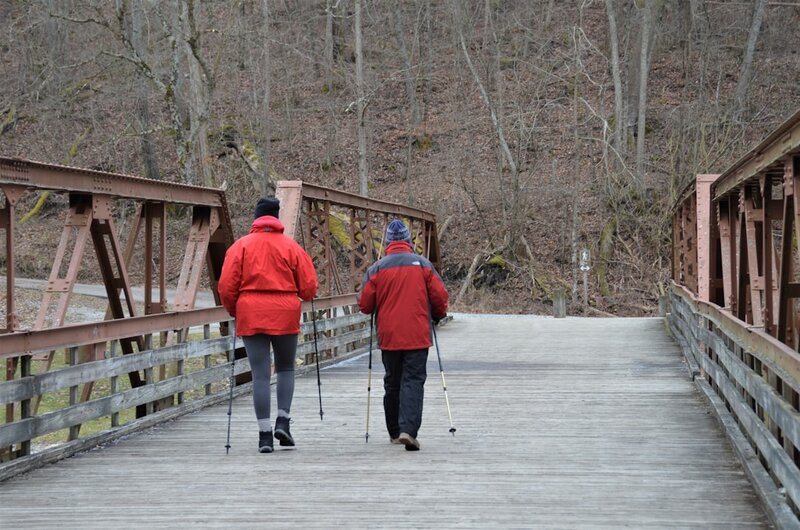
- Walking remains one of the best all-round exercises. Start gently and build up. Even 20 minutes a day makes a measurable difference.
- Cycling (including stationary bikes) strengthens the muscles around your knees without the impact of running.
- Tai chi and yoga improve balance, flexibility, and joint range of motion. Several community centres and Active Retirement groups across Ireland offer classes.
- Strength training with light weights or resistance bands builds the muscles that support and protect your joints.
The HSE recommends that adults over 65 aim for at least 150 minutes of moderate activity per week. That is roughly 30 minutes on five days. But if you are starting from zero, even five minutes is a beginning worth celebrating.
Weight and Joint Health
Your knees bear roughly four times your body weight with every step. That means even a modest weight reduction can significantly ease the load on weight-bearing joints. Research suggests that losing just 5% of your body weight can reduce knee pain by up to 50% in people with osteoarthritis.
This is not about crash diets or dramatic changes. Small, sustainable adjustments to your eating habits, combined with regular movement, tend to produce the most lasting results. The HSE’s Making Every Contact Count programme means your GP, pharmacist, or practice nurse can offer brief lifestyle advice at routine appointments.
Practical Steps for Everyday Joint Care
Beyond exercise and weight management, several everyday habits can help protect your joints:
- Footwear matters. Supportive, well-cushioned shoes reduce the impact on your knees and hips. Avoid flat, unsupportive footwear for long walks.
- Warm up before activity. A few minutes of gentle stretching before exercise or gardening prepares your joints and reduces the risk of strain.
- Pace yourself. Alternate between tasks rather than doing everything at once. If you are gardening, swap between digging, weeding, and lighter jobs.
- Use heat and cold wisely. A warm bath or heat pack can ease stiffness. An ice pack wrapped in a towel can reduce swelling after activity.
- Consider your workspace. If you are still working, an ergonomic chair and regular breaks from sitting make a real difference. Under the Safety, Health and Welfare at Work Act, employers have a duty to provide appropriate workstations.
Supplements: What the Evidence Says
Glucosamine and chondroitin are among the most popular joint supplements in Ireland. The evidence is mixed. Some people find genuine relief, while large clinical trials have shown modest benefit at best. They are generally safe to try, but speak with your GP or pharmacist first, especially if you take blood-thinning medication.
Omega-3 fatty acids (from oily fish like salmon, mackerel, or supplements) have better evidence for reducing inflammation associated with inflammatory arthritis. Including oily fish twice a week is a reasonable dietary goal.
Vitamin D is also worth mentioning. Ireland’s northern latitude means many of us are deficient, and vitamin D plays a role in bone and joint health. The HSE recommends that all adults over 65 take a daily vitamin D supplement, particularly during the winter months.
When to See Your GP
Not all joint pain needs medical attention, but certain signs should prompt a visit to your doctor:
- Joint swelling that does not settle within a few days
- Joint pain that wakes you at night
- Stiffness lasting more than 30 minutes each morning
- A joint that feels hot, red, or unusually warm
- Joint pain following an injury
- Pain that is stopping you from doing everyday activities
Your GP can refer you to physiotherapy (often available through the HSE, though waiting lists vary), or to a rheumatologist if inflammatory arthritis is suspected. Under the GP Visit Card scheme, everyone over 70 in Ireland is entitled to free GP visits, and the threshold has been extended to cover many people over 50 on lower incomes.
Supports Available in Ireland
Arthritis Ireland runs a helpline (1800 252 846), self-management programmes, and local support groups across the country. Their Living Well with Arthritis programme is free and evidence-based.
HSE physiotherapy is available through GP referral. Community physiotherapy services can assess your joints and create a personalised exercise plan.
Local Sports Partnerships (LSPs) operate in every county and often run low-cost programmes specifically designed for older adults, including Go for Life, chair-based exercise classes, and walking groups.
Active Retirement Ireland groups organise regular physical activities, from bowling to dancing, and are a brilliant way to stay active socially as well as physically.
Looking After Your Joints Is Looking After Your Independence
Joint health might not sound glamorous, but it underpins so much of what matters in later life: being able to walk to the shops, play with grandchildren, tend the garden, or simply get out of a chair without wincing. The earlier you start looking after your joints, the more options you will have down the road.
Small, consistent steps beat dramatic overhauls every time. A daily walk, a few stretches, good shoes, and knowing when to ask for help. That is the formula.
At Críonna Health, we believe that ageing well is not about turning back the clock. It is about making the most of every stage, with the right information and the right support.
📷 Photo by Roger Starnes Sr on Unsplash