Most of us think about our heart, our joints, our eyesight as we get older. But dental health? It tends to slip down the list until something goes wrong. A cracked filling at the weekend, gums that bleed every morning, a tooth that aches when you drink tea. By then, you’re already playing catch-up.
The truth is, our mouths change as we age, and the dental habits that served us well at 30 may not be enough at 55 or 65. The good news is that keeping your teeth and gums healthy in later life is entirely achievable with a few adjustments and the right support.
TL;DR
- Dry mouth, gum recession, and root decay become more common after 50, often linked to medications
- Gum disease is the leading cause of tooth loss in older adults and is linked to heart disease and diabetes
- The DTSS scheme provides free dental check-ups and cleanings for medical card holders in Ireland
- Electric toothbrushes, interdental brushes, and fluoride mouthwash make a real difference for older adults
- Regular dental visits (at least annually) catch problems early when treatment is simpler and cheaper
What Changes in Your Mouth After 50
Ageing affects your oral health in ways that aren’t always obvious. Understanding what’s happening helps you stay ahead of problems rather than reacting to them.
Dry Mouth (Xerostomia)
This is one of the most common issues, and it’s usually not caused by ageing itself but by medication. Over 500 commonly prescribed drugs list dry mouth as a side effect, including medications for blood pressure, depression, allergies, and pain. If you’re managing multiple conditions (and many people over 50 are), dry mouth is almost inevitable.
Why does it matter? Saliva is your mouth’s natural defence system. It washes away food particles, neutralises acids, and delivers minerals that strengthen enamel. Without enough saliva, decay can progress rapidly, particularly around existing fillings and along the gum line.
Gum Recession
Gums naturally recede over time, exposing the softer root surfaces of your teeth. These roots don’t have the same protective enamel coating as the crown of the tooth, making them vulnerable to decay. Root caries (cavities on the root surface) are one of the most common dental problems in people over 60.
Wear and Tear
Decades of chewing, grinding, and clenching take their toll. Enamel thins, teeth can crack under pressure, and old fillings may fail. If you grind your teeth at night (bruxism), which often worsens with stress or certain medications, the damage accelerates.
Gum Disease: The Silent Threat
Periodontal disease is the leading cause of tooth loss in adults over 50, and in its early stages, it’s painless. That’s what makes it dangerous. By the time you notice symptoms — bleeding gums, loose teeth, persistent bad breath — significant damage may already be done.
Research from the Irish Longitudinal Study on Ageing (TILDA) has found that poor oral health is associated with a range of broader health outcomes, including cardiovascular disease, diabetes complications, and even cognitive decline. The mouth isn’t separate from the body; it’s connected to everything.
The early stage, gingivitis, is reversible with improved cleaning and professional treatment. Once it progresses to periodontitis, with bone loss around the teeth, it can only be managed, not cured. Early detection is everything.
Practical Steps That Make a Difference
Upgrade Your Cleaning Routine
The basics don’t change — brush twice daily, clean between your teeth — but the tools should evolve. An electric toothbrush with a pressure sensor is worth the investment. It’s more effective at removing plaque, especially around the gum line, and the pressure sensor prevents you from brushing too hard (a common cause of gum recession).
Interdental brushes are more effective than floss for most people over 50, particularly if you have gaps between your teeth or bridgework. Your dentist or hygienist can recommend the right size. Use them once daily, ideally before bed.
If dry mouth is an issue, consider a fluoride mouthwash (not just a cosmetic one) to help protect exposed root surfaces. Some people find saliva substitutes or sugar-free chewing gum helpful for stimulating saliva flow throughout the day.
Watch Your Diet
Sugar is still the main enemy, but it’s the frequency that matters more than the amount. Sipping sugary tea throughout the day is worse for your teeth than having a slice of cake with dinner. Each sugar exposure triggers an acid attack that lasts about 30 minutes.
Acidic foods and drinks (citrus, wine, fizzy drinks) soften enamel temporarily. If you consume them, wait at least 30 minutes before brushing, as brushing softened enamel causes more damage.
Don’t Skip Dental Visits
At minimum, see your dentist once a year. If you have gum disease, diabetes, or dry mouth, twice-yearly visits are advisable. Professional cleaning removes hardened plaque (calculus) that no amount of brushing can shift, and your dentist can spot problems long before you feel them.
Dental Care Costs and Supports in Ireland
Cost is a real barrier for many people, particularly since dental care in Ireland is largely private. But there are supports available that many people don’t know about.
Medical Card Holders
The Dental Treatment Services Scheme (DTSS) provides a free dental examination and two free cleanings per year for medical card holders. Emergency extractions and some other treatments are also covered. While the scheme has limitations (it doesn’t cover crowns, bridges, or orthodontics), it ensures that basic preventive care is accessible.
Over-70s medical cards, available to all residents regardless of income, include the same dental entitlements. If you have this card and haven’t used the dental benefit, you’re leaving free preventive care on the table.
PRSI Dental Benefit
If you have enough PRSI contributions (generally 260 paid contributions), you’re entitled to a free dental examination once per calendar year and a contribution toward one cleaning. This applies even if you’re still working. Check your entitlement at mywelfare.ie.
Tax Relief
Dental expenses above routine treatment (crowns, bridges, root canal treatment, orthodontics) qualify for tax relief at 20% through Revenue’s Med 2 form. Keep your receipts — this can make a meaningful difference on larger treatments.
When to See Your Dentist Urgently
Don’t wait for your next scheduled visit if you notice:
- Gums that bleed regularly when brushing or eating
- A tooth that feels loose or has shifted position
- Persistent pain, especially when biting or with hot/cold sensitivity
- A sore or patch in your mouth that hasn’t healed within two to three weeks
- Difficulty swallowing or a persistent lump in your neck
That last point is important. Oral cancer risk increases with age, particularly for smokers and heavy drinkers. Your dentist checks for signs of oral cancer during routine examinations — another reason regular visits matter.
It’s Never Too Late
Perhaps the most important thing to know is that improving your dental health at any age makes a difference. Even if you’ve had years of neglect, starting a proper routine now will slow or prevent further damage. Modern dentistry can restore function and appearance in ways that weren’t possible a generation ago.
Your teeth are meant to last a lifetime. With the right care and support, they can. If you’re not sure where to start, book that dental check-up you’ve been putting off. It’s the single best thing you can do for your oral health today.
For more practical health guidance tailored to life after 50, explore the resources at Críonna Health.
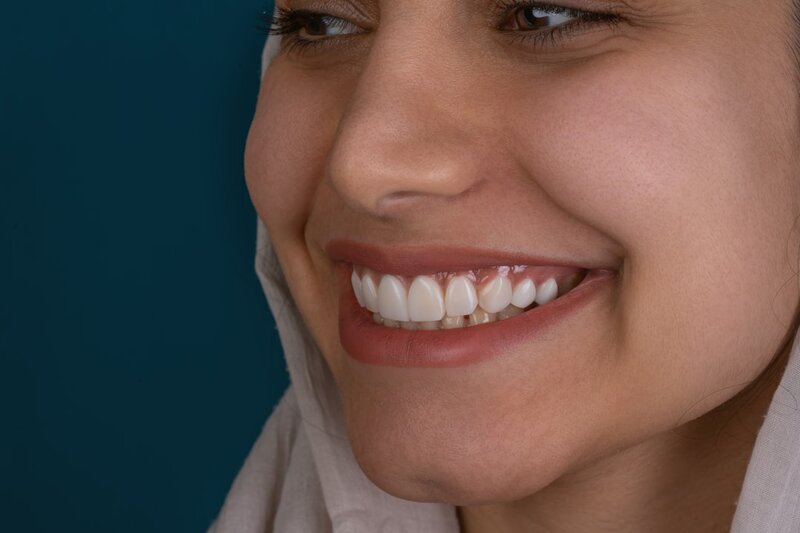
📷 Photo by Kamal Hoseinianzade on Unsplash