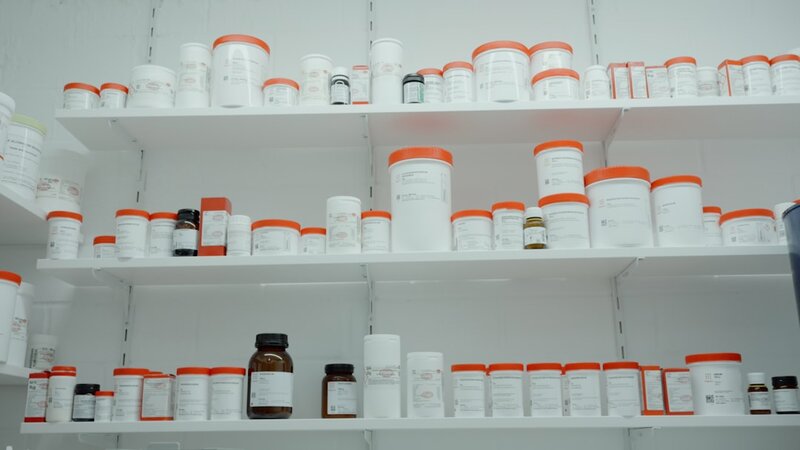
If you’re over 50, there’s a good chance you take at least one regular medication. By your 60s and 70s, that number often climbs to three, four, or more. Managing multiple medications (what doctors call polypharmacy) is one of the most common and least discussed challenges of ageing. Yet getting it right can make the difference between medications working well for you and medications causing more problems than they solve.
Here’s what you need to know about managing your medicines safely in Ireland, and how to make the system work for you rather than the other way around.
TL;DR
- Nearly half of adults over 65 in Ireland take five or more medications regularly, increasing the risk of drug interactions and side effects
- An annual medication review with your GP or pharmacist can identify unnecessary prescriptions and reduce risk
- Your community pharmacist is an underused resource for spotting interactions and simplifying your medication routine
- The Drugs Payment Scheme caps prescription costs at €80 per month for those without a medical card
- Simple organisational tools like blister packs and medication lists can prevent dangerous errors
Why Multiple Medications Need Extra Attention
Each medication you take was prescribed for a good reason. But medications don’t exist in isolation. They interact with each other, with the food you eat, and with the way your body processes chemicals as you age. Your liver and kidneys work differently in your 60s than they did in your 30s, meaning the same dose can have a stronger effect than it once did.
Research from the Irish Longitudinal Study on Ageing (TILDA) found that nearly half of adults aged 65 and over take five or more medications. At that level, the risk of adverse drug interactions rises significantly. Common problems include drowsiness from combining certain blood pressure medications with anti-anxiety drugs, increased bleeding risk when blood thinners interact with anti-inflammatories, and stomach issues from taking multiple medications without proper spacing.
None of this means you should stop taking your medications. It means you should be an active participant in managing them.
Start With a Medication Review
The single most valuable thing you can do is ask for a structured medication review. This is a conversation with your GP or pharmacist where they look at everything you’re taking and ask: is each of these still necessary? Are any of them interacting badly? Could any doses be adjusted?
In Ireland, your GP can conduct a medication review during a regular appointment. If you have a medical card or GP visit card, this is covered. Many community pharmacists also offer medication review services, and they often have a clearer picture of your full prescription history than any individual doctor.
Aim for a review at least once a year, or whenever a new medication is added. It’s particularly important after a hospital discharge, as hospital doctors may have started new medications without full visibility of what you were already taking.
Your Pharmacist: An Underused Ally
Community pharmacists in Ireland are among the most accessible healthcare professionals you’ll encounter. No appointment needed, no waiting list, no referral required. And they’re trained specifically in how medications interact with each other.
Get into the habit of using a single pharmacy for all your prescriptions. This gives the pharmacist a complete view of your medication profile and allows them to flag interactions automatically. Most modern pharmacy systems will alert pharmacists to potential problems, but this only works if all your prescriptions flow through one place.
Don’t forget to mention over-the-counter medications, vitamins, and supplements. Many people don’t think of these as ‘real’ medications, but they can interact with prescription drugs. St John’s Wort, for instance, can reduce the effectiveness of blood thinners, antidepressants, and the contraceptive pill. Even common painkillers like ibuprofen can cause problems when combined with certain blood pressure medications.
Organising Your Medications
When you’re managing three or more medications, organisation becomes essential. Missing doses, doubling up, or taking medications at the wrong time can all cause problems.
Blister Packs (Monitored Dosage Systems)
Most Irish pharmacies offer a blister pack service, where your medications are pre-sorted into individual doses organised by day and time. This removes much of the guesswork and makes it immediately obvious whether you’ve taken your morning or evening medications. Ask your pharmacist about setting this up.
Keep a Medication List
Carry a written list of all your medications, including the name, dose, what it’s for, and when you take it. Keep it in your wallet or handbag. This is invaluable if you end up in A&E, see a new doctor, or need to provide information quickly. Some people photograph their medication list on their phone for easy access.
The HSE provides a printable medication record card, or you can simply write one out. Update it every time something changes.
Set Reminders
Whether it’s a phone alarm, a daily routine you link it to (like breakfast or brushing your teeth), or a reminder from a family member, find a system that works for you. Consistency matters more than perfection.
Understanding Your Costs
Medication costs can add up quickly, especially if you don’t have a medical card. Ireland has several schemes to help:
- Medical Card: Covers most prescription costs entirely. Eligibility is means-tested, with higher income thresholds for those over 70 (€550/week for a single person, €1,050 for a couple as of 2026).
- GP Visit Card: Covers GP visits but not prescription costs. Everyone over 70 qualifies regardless of income.
- Drugs Payment Scheme: Caps your monthly prescription costs at €80 per family. Registration is free and done through your pharmacy.
- Long Term Illness Scheme: Covers medications for specific conditions (diabetes, epilepsy, Parkinson’s, and others) regardless of income.
If you’re paying more than €80 per month on prescriptions and aren’t registered for the Drugs Payment Scheme, you’re leaving money on the table. Your pharmacist can help you register on the spot.
When to Speak Up
Don’t be afraid to ask questions about your medications. Good questions include:
- What is this medication for, and how will I know it’s working?
- Are there any side effects I should watch for?
- Does this interact with anything else I’m taking?
- Is this medication still necessary, or was it started for a short-term problem?
- Is there a less expensive alternative that works just as well?
If you experience new symptoms after starting a medication, report them. What feels like a new health problem could actually be a medication side effect. Dizziness, confusion, nausea, falls, and fatigue are all commonly linked to medication interactions in older adults.
A Note for Family Members and Carers
If you’re helping a parent or family member manage their medications, the most useful thing you can do is help them maintain that medication list and accompany them to a medication review. Having a second pair of ears in the room helps catch information that might otherwise be forgotten.
If your family member has difficulty managing independently, speak to their pharmacist about blister packs, or explore whether a public health nurse could assist with medication management at home. The HSE’s community nursing service can be accessed through your local health centre.
Taking Control
Managing multiple medications doesn’t have to be overwhelming. The key is to be organised, use your pharmacist as a partner, and never hesitate to ask whether each medication is still earning its place. You have a right to understand what you’re taking and why.
At Críonna Health, we believe that staying informed about your health is one of the most powerful things you can do as you age. Your medications should support your quality of life, not complicate it.
📷 Photo by Jeff Trierweiler on Unsplash