The Health Service Executive (HSE) provides a wide range of services specifically designed to support older adults in Ireland. The challenge isn’t that these services don’t exist. It’s that finding out what’s available, who qualifies, and how to actually access them can feel like navigating a maze without a map.
This guide sets out the key HSE services available to older adults, how to access each one, and practical tips for getting the support you or your family member needs.
TLDR
The HSE provides extensive services for older adults in Ireland, from public health nursing and home support packages to day care centres and specialist memory clinics. Most are free or means-tested. The key entry point is your GP, who can refer you to community services. Home support hours, medical cards for over-70s, and public health nurse visits are among the most valuable and underused services available.
Your GP: The Starting Point for Everything
Almost every HSE community service for older adults begins with a GP referral. Your family doctor is the gateway to specialist assessments, home care, therapy services, and hospital outpatient clinics.
If you’re over 70, you’re entitled to a medical card regardless of income. This covers GP visits, prescription charges (reduced to a maximum of €80 per month for medical card holders), and public hospital services. If you’re between 66 and 69 and your income is below the threshold, you may also qualify. Everyone over 70 is also entitled to a GP visit card at minimum.
Practical tip: If you don’t yet have a medical card, apply through mymedicalcard.ie. Processing takes 2 to 4 weeks. Don’t wait until you need it urgently.
Public Health Nurses
Public health nurses (PHNs) are one of the most valuable and often underutilised HSE resources for older adults. They provide home visits, health assessments, wound care, medication management, and can coordinate other services on your behalf.
Your GP can refer you, or you can contact your local health centre directly to request a PHN visit. There’s no charge for this service.
PHNs are particularly important for:
- People recently discharged from hospital who need follow-up care at home
- Those managing chronic conditions like diabetes, heart disease, or COPD
- Older adults living alone who would benefit from regular welfare checks
- Coordinating referrals to occupational therapy, physiotherapy, or social workers
What many people don’t know: PHNs can also assess your home for safety modifications (grab rails, ramp access) and refer you to the housing adaptation grant scheme through your local authority.
Home Support Service (Formerly Home Help)
The HSE Home Support Service provides practical assistance to help older adults remain living independently at home. This can include help with personal care (washing, dressing), household tasks, meal preparation, and getting to appointments.
The service is needs-assessed, meaning a care needs assessment determines how many hours you’re allocated. It’s provided free of charge, though there can be waiting lists depending on your area.
How to apply: Through your GP, PHN, or directly via your local HSE Community Healthcare Organisation. You’ll be assessed by a care needs assessor who visits your home.
Current reality: Demand for home support hours regularly outstrips supply in many parts of Ireland. If you’re placed on a waiting list, ask about interim options and make sure your GP advocates for urgency if appropriate. The HSE allocated over 24 million home support hours nationally in recent years, but gaps remain.
Intensive Home Care Packages: For people with more complex needs (for example, moderate to advanced dementia), enhanced home care packages provide additional hours and may include nursing input. These are assessed separately and prioritised based on clinical need.
Day Care Services
HSE-funded day care centres operate across Ireland, providing social activities, meals, health monitoring, and therapeutic programmes for older adults. They serve a dual purpose: supporting the person attending and giving family carers a regular break.
Most day care centres operate one to five days per week. Services typically include:
- Social activities and group programmes
- A hot meal
- Health checks (blood pressure, weight monitoring)
- Access to allied health professionals (physiotherapy, occupational therapy)
- Transport to and from the centre in many cases
Ask your PHN or GP about local day care options. Some are HSE-run, others are provided by voluntary organisations (such as Age Action, ALONE, or local community groups) with HSE funding.
Memory and Cognitive Services
If you or a family member is experiencing memory difficulties, the HSE provides specialist assessment and support through memory clinics and old age psychiatry services.
Memory Assessment and Support Services (MASS): Available in several regions, these clinics provide comprehensive cognitive assessment, diagnosis, and post-diagnostic support for people with dementia and their families.
Old Age Psychiatry: For more complex presentations, referral to old age psychiatry (via your GP) provides specialist mental health assessment and treatment planning.
The Alzheimer Society of Ireland also works closely with the HSE to provide dementia advisers, support groups, and day programmes specifically for people living with dementia. Their national helpline (1800 341 341) is a good starting point if you’re unsure where to begin.
Therapy Services
The HSE provides community-based therapy services for older adults, including:
- Physiotherapy: For mobility issues, falls prevention, post-surgical rehabilitation, and chronic pain management
- Occupational therapy: For adapting to daily tasks, home safety assessments, and assistive technology recommendations
- Speech and language therapy: For swallowing difficulties and communication challenges, particularly following stroke
- Dietetics: For nutritional support, weight management, and condition-specific dietary advice
Referrals come through your GP or PHN. Waiting times vary significantly by region, so ask about both HSE and community-funded options in your area.
The Nursing Homes Support Scheme (Fair Deal)
We’ve covered the Fair Deal scheme in detail in a separate article, but in brief: if full-time residential care becomes necessary, this scheme makes nursing home care financially accessible by capping your contribution based on income and assets. The HSE pays the balance.
Apply through the HSE’s dedicated Fair Deal office. The process involves a care needs assessment and a financial assessment.
Safeguarding and Protection
The HSE’s Safeguarding and Protection Teams work in every community healthcare area to protect vulnerable adults, including older adults, from abuse, neglect, or exploitation. If you have concerns about any older adult, you can report them confidentially:
- Contact your local safeguarding and protection team (details on hse.ie)
- Speak to any HSE staff member, who is obliged to follow up
- Call the HSE information line at 1800 700 700
How to Navigate the System
A few practical strategies that make a real difference:
Build a relationship with your PHN. They are often the best-connected person in the local health system and can advocate for you when services are stretched.
Keep records. Note dates of referrals, who you spoke to, and what was agreed. In a busy system, a paper trail helps ensure nothing falls through the cracks.
Know your rights. The HSE is legally obliged to provide certain services. If you’re struggling to access what you need, contact the Patient Advocacy Service or your local Citizens Information Centre for independent advice.
Don’t wait for a crisis. Many services have waiting lists. Apply as early as possible, even if needs are moderate now. Having supports in place before they become urgent makes a significant difference.
At Críonna Health, we believe that understanding what’s available is the first step toward ageing well. The services are there. Knowing how to access them makes all the difference.
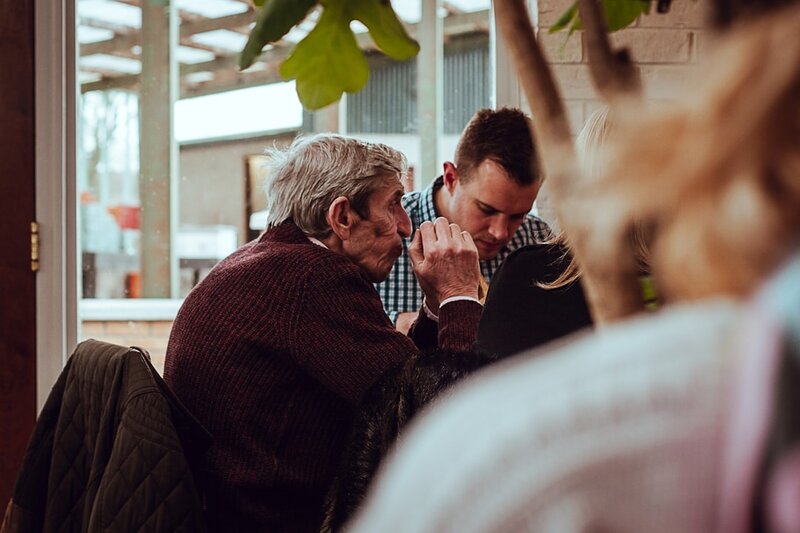
📷 Photo by Cathal Mac an Bheatha on Unsplash