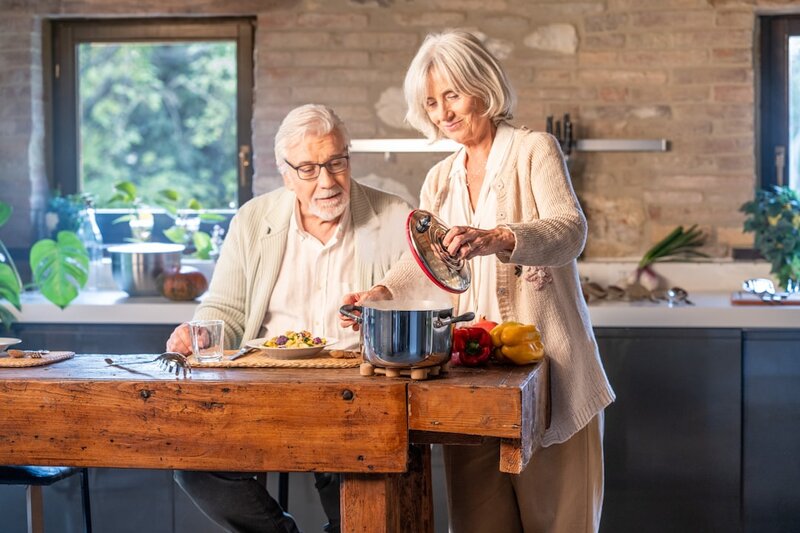
We all know that eating well matters, but what “eating well” looks like changes as we age. The nutritional needs of someone in their 50s or 60s are genuinely different from those of a 25-year-old. The good news? Small, practical changes to your diet can make a real difference to how you feel, how you move, and how well you age.
This guide covers the key nutritional shifts to be aware of as you get older, with practical advice rooted in Irish resources and research.
Why Nutrition Changes as We Age
As we move through our 40s, 50s and beyond, our bodies change in ways that directly affect how we process food. Metabolism slows, meaning we need fewer calories overall but more of certain nutrients. Muscle mass naturally decreases (a process called sarcopenia), bone density reduces, and our digestive system becomes less efficient at absorbing key vitamins and minerals.
None of this is cause for alarm. It simply means that being thoughtful about what we eat becomes more important, not less. The Irish Longitudinal Study on Ageing (TILDA) has consistently shown that nutrition is one of the strongest modifiable factors in healthy ageing. What you put on your plate genuinely matters.
Protein: More Important Than You Think
Many people actually need more protein as they get older, not less. Protein is essential for maintaining muscle mass, supporting immune function, and helping with wound healing. Research suggests that adults over 50 should aim for around 1.0 to 1.2 grams of protein per kilogram of body weight daily, compared to 0.8g for younger adults.
In practical terms, that means including a good protein source at every meal:
- Eggs at breakfast (one of the most affordable, nutrient-dense options available)
- Fish, chicken, or lean meat at lunch or dinner
- Beans, lentils, and pulses for plant-based protein
- Greek yoghurt, cheese, or milk as snacks
- Nuts and seeds for easy, portable protein
Spreading protein intake across the day is more effective than having one large portion at dinner. Your body can only use so much protein at once, so aim for 20-30 grams per meal.
Bone Health: Calcium and Vitamin D
Osteoporosis affects roughly 300,000 people in Ireland, and the risk increases significantly after the age of 50, particularly for women post-menopause. Calcium and vitamin D are your two most important nutrients for bone health.
Calcium — aim for 1,200mg daily from sources like dairy products, fortified plant milks, tinned sardines or salmon (with bones), broccoli, and almonds. If you struggle to get enough from food alone, talk to your GP about supplements.
Vitamin D — this is a particular concern in Ireland. Our northerly latitude means we simply don’t get enough sunshine for adequate vitamin D production for much of the year. The HSE recommends that all adults over 65 take a daily vitamin D supplement of 15 micrograms (600 IU), and many health professionals suggest starting this in your 50s. During the winter months (October to March), vitamin D supplementation is advisable for all Irish adults regardless of age.
Staying Hydrated
Dehydration is surprisingly common among older adults, partly because our sense of thirst diminishes as we age. Mild dehydration can cause confusion, dizziness, fatigue, and urinary tract infections, all of which are frequently mistaken for other conditions.
Aim for six to eight glasses of fluid daily. This includes water, tea, coffee, milk, and soup. If you find it hard to remember, try keeping a water bottle visible, having a glass with each meal, or setting gentle reminders. Herbal teas count too and can be a pleasant way to increase fluid intake, particularly in colder months.
Fibre for Digestive Health
Digestive changes are common as we age, and fibre is your best ally. A high-fibre diet supports regular bowel function, helps manage cholesterol, and can reduce the risk of type 2 diabetes and certain cancers.
Good sources include:
- Wholegrain bread and cereals (porridge is an excellent Irish staple)
- Fruits and vegetables (aim for at least five portions daily)
- Beans, lentils, and chickpeas
- Nuts and seeds
If you’re increasing your fibre intake, do so gradually and drink plenty of water to help your digestive system adjust.
B Vitamins and Cognitive Health
B vitamins, particularly B12 and folate, play a crucial role in brain health and energy levels. As we age, our ability to absorb B12 from food decreases. TILDA research has found that one in eight Irish adults over 50 has low B12 status, which can contribute to fatigue, memory problems, and even nerve damage if left unchecked.
Good dietary sources of B12 include meat, fish, eggs, and dairy. If you follow a plant-based diet, B12 supplementation is essential. Fortified cereals and nutritional yeast can help, but a supplement is the most reliable option. Ask your GP to check your B12 levels at your next visit, particularly if you’re experiencing unexplained fatigue or cognitive changes.
Practical Tips for Everyday Eating
Knowing what to eat is one thing; making it happen daily is another. Here are some genuinely practical suggestions:
- Cook in batches. Prepare larger portions and freeze individual servings. This is invaluable on days when you’re tired or unwell.
- Don’t skip meals. Regular eating helps maintain energy levels and prevents the blood sugar dips that can cause dizziness and falls.
- Make it social. Eating alone can reduce appetite and enjoyment of food. Community lunch clubs, cooking with friends, or even video-calling someone during a meal can make a real difference.
- Shop smart. Frozen vegetables are just as nutritious as fresh and much more convenient. Tinned fish, beans, and tomatoes are store-cupboard essentials that require minimal preparation.
- Adapt if needed. If chewing is difficult, soups, stews, smoothies, and softer foods can provide excellent nutrition. Don’t let dental issues stop you eating well.
Where to Find Support in Ireland
If you’re concerned about your nutrition or that of someone you care for, there are excellent resources available:
- Your GP can check for nutritional deficiencies and refer you to a dietitian if needed.
- HSE community dietitians offer free advice through local health centres.
- Meals on Wheels services operate across Ireland, providing nutritious meals and regular social contact.
- ALONE (alone.ie) offers a support line (0818 222 024) and can connect you with practical supports including nutrition assistance.
- Safefood (safefood.net) provides free, evidence-based nutrition information tailored to the Irish and Northern Irish context.
At Críonna Health, we believe that eating well at any age should be straightforward, enjoyable, and accessible. Good nutrition isn’t about restriction or complicated meal plans. It’s about making informed choices that support your body and your independence as you age.
📷 Photo by Md Ishak Raman on Unsplash